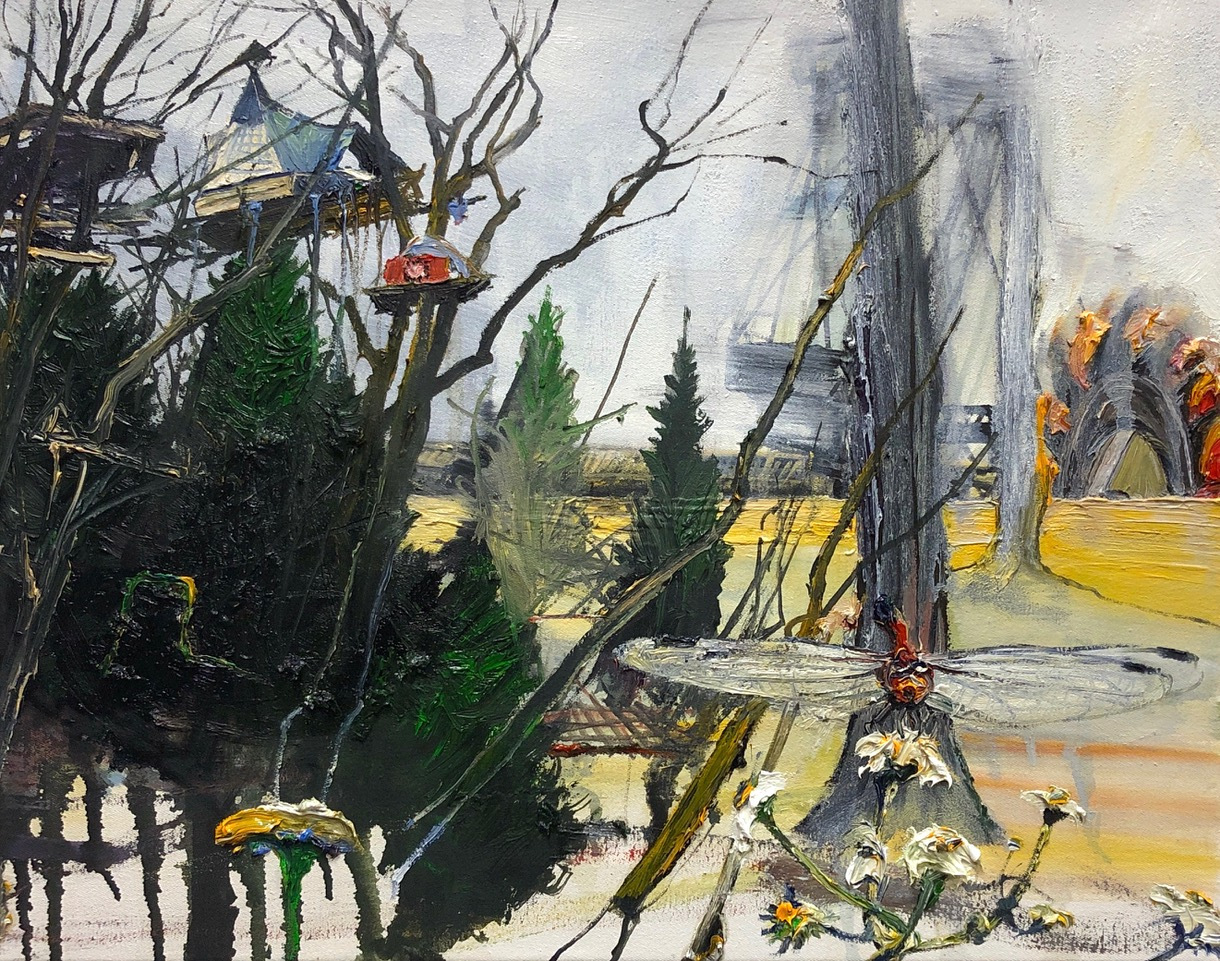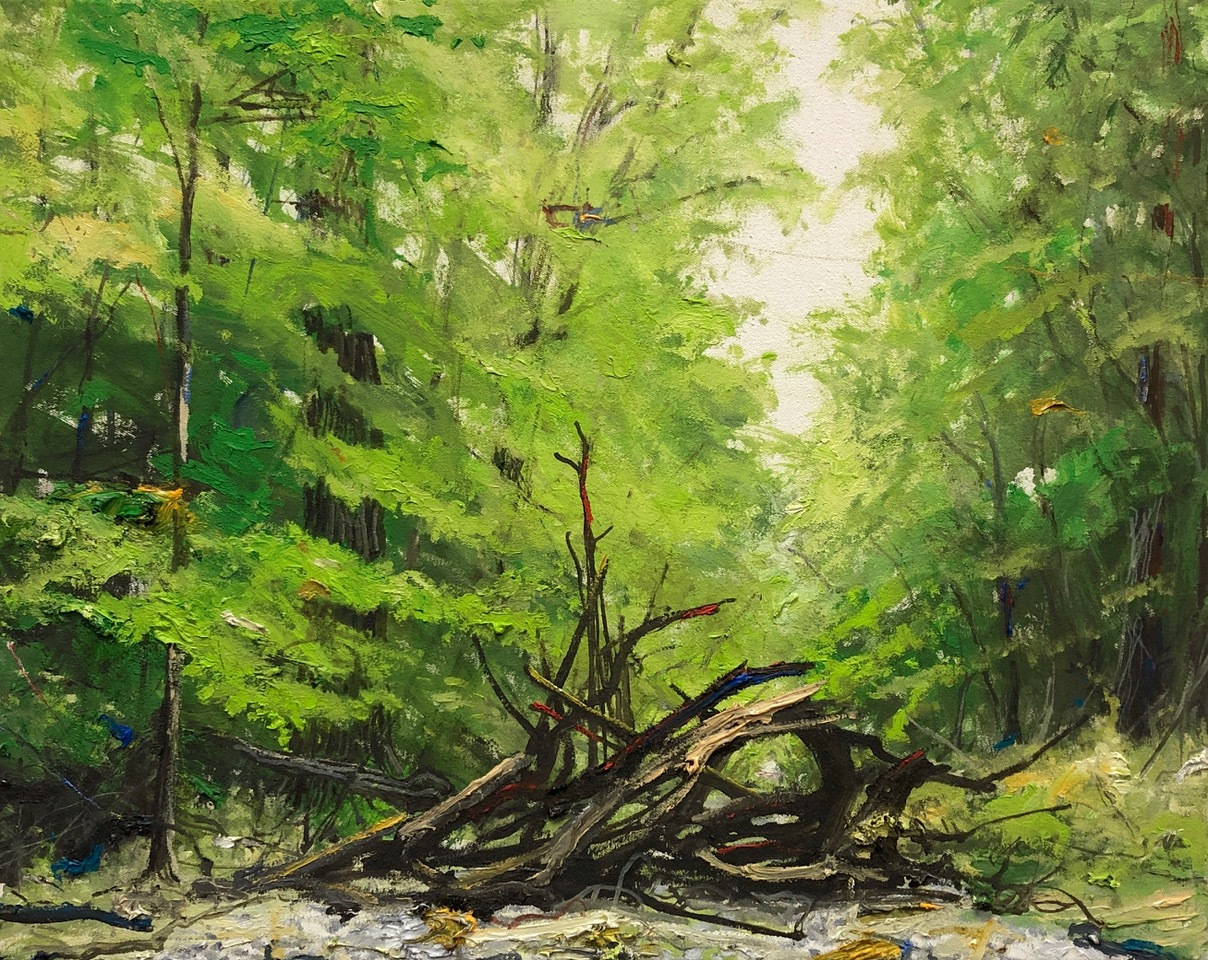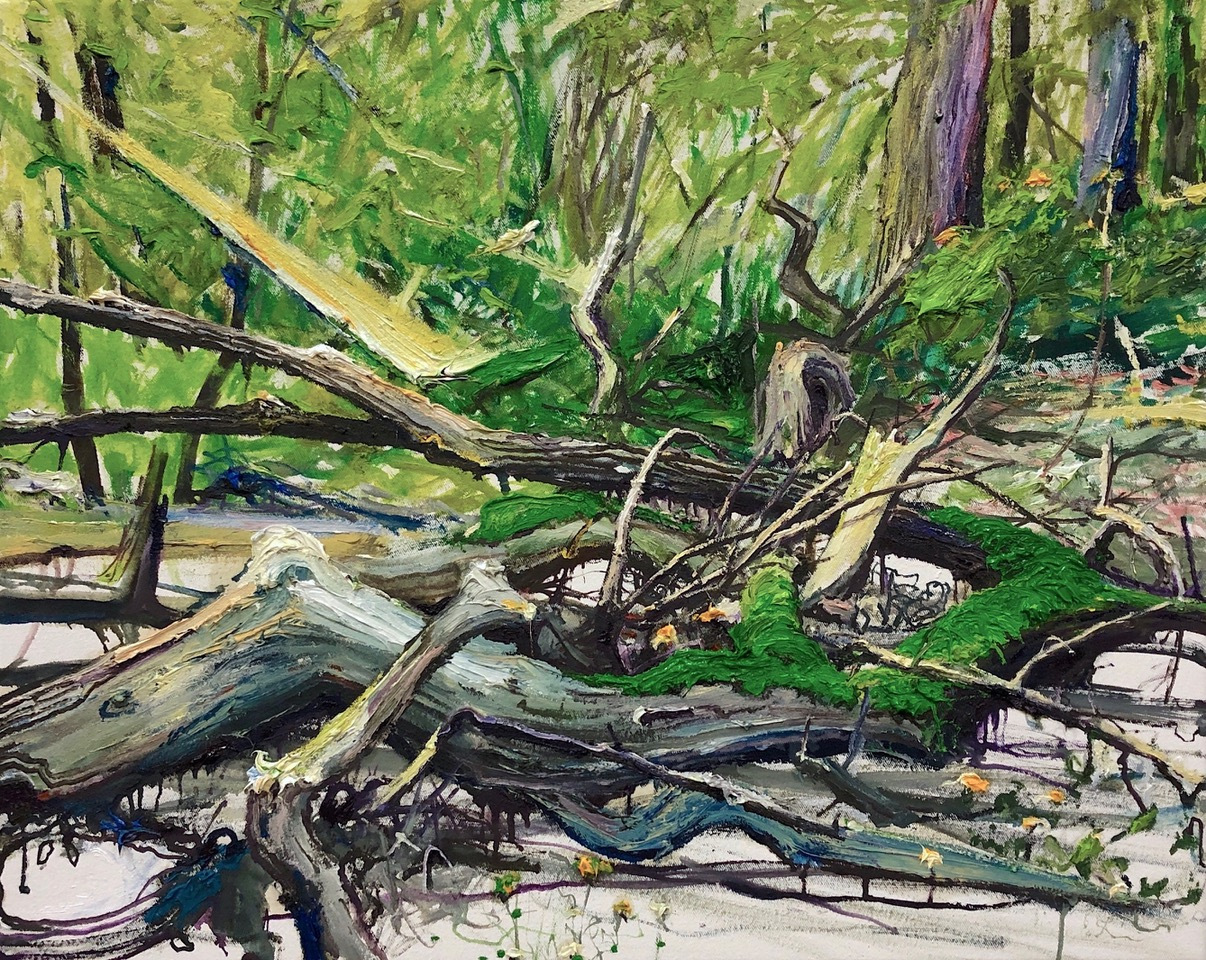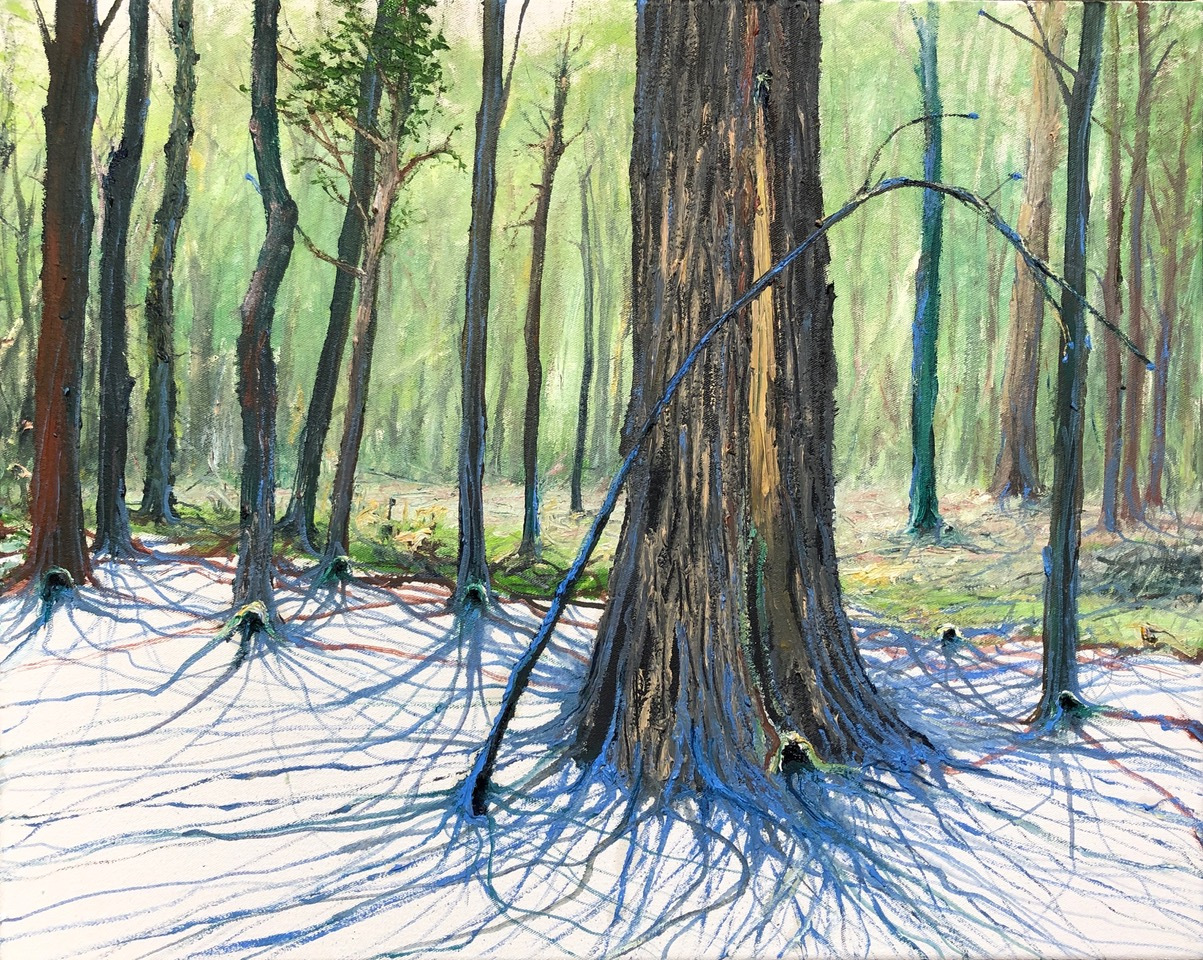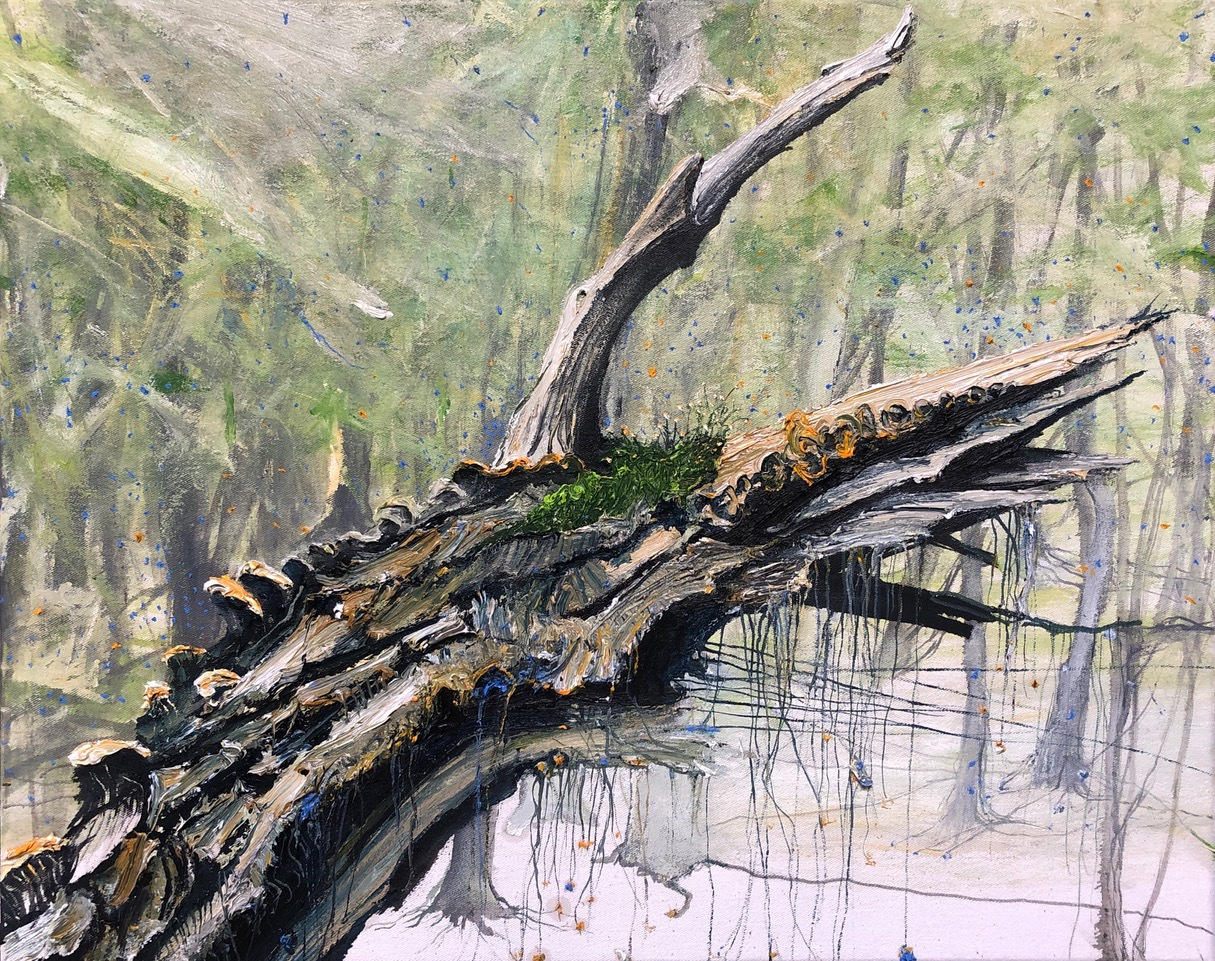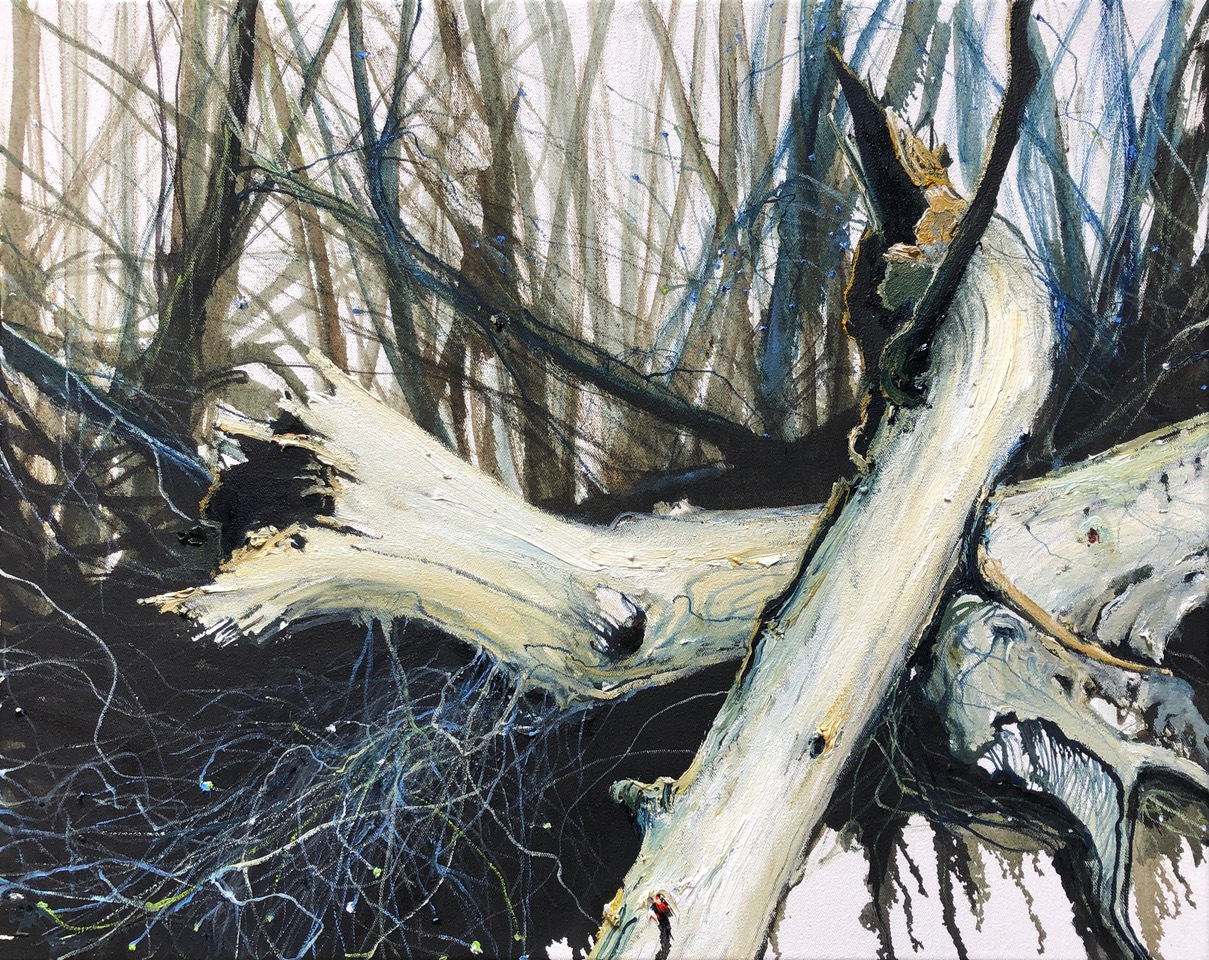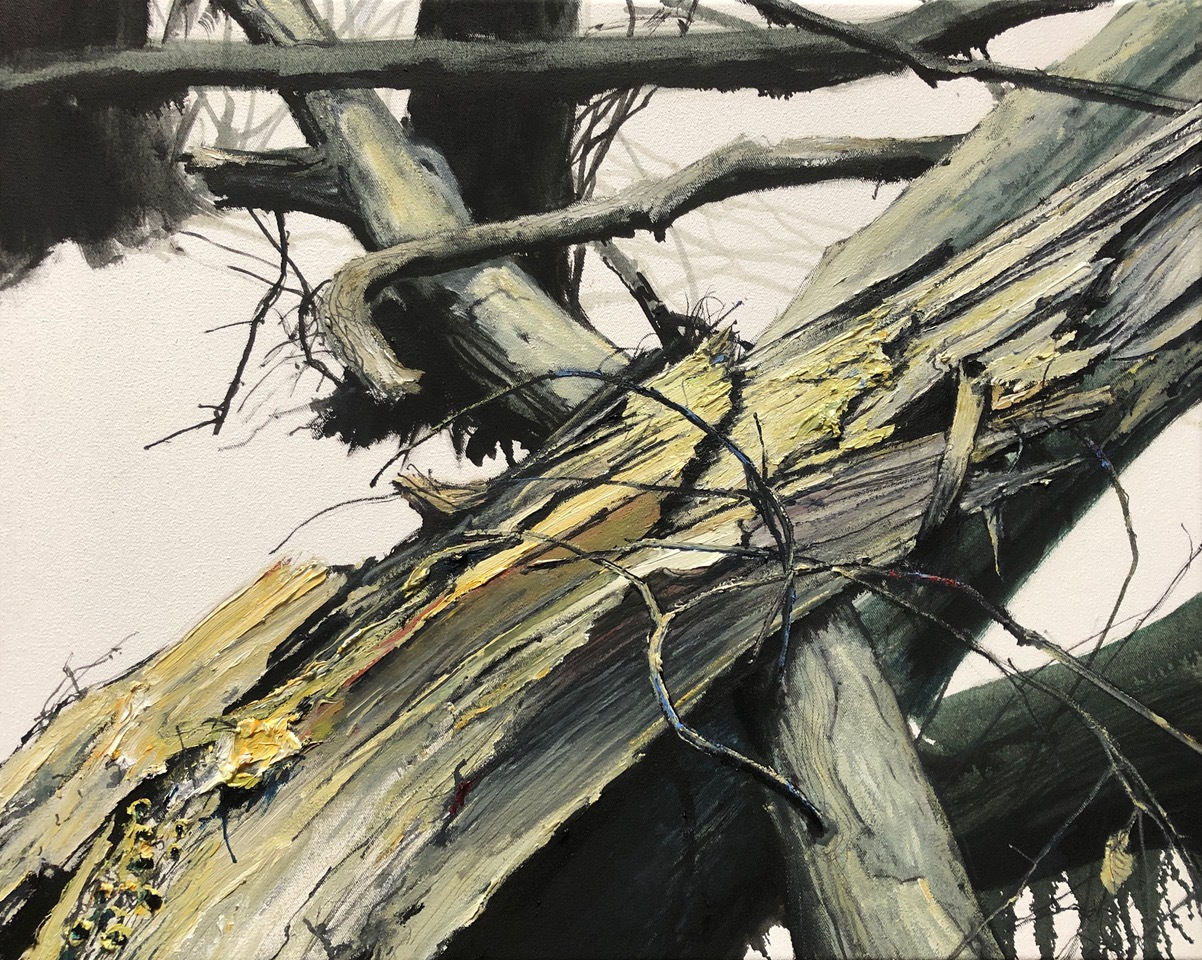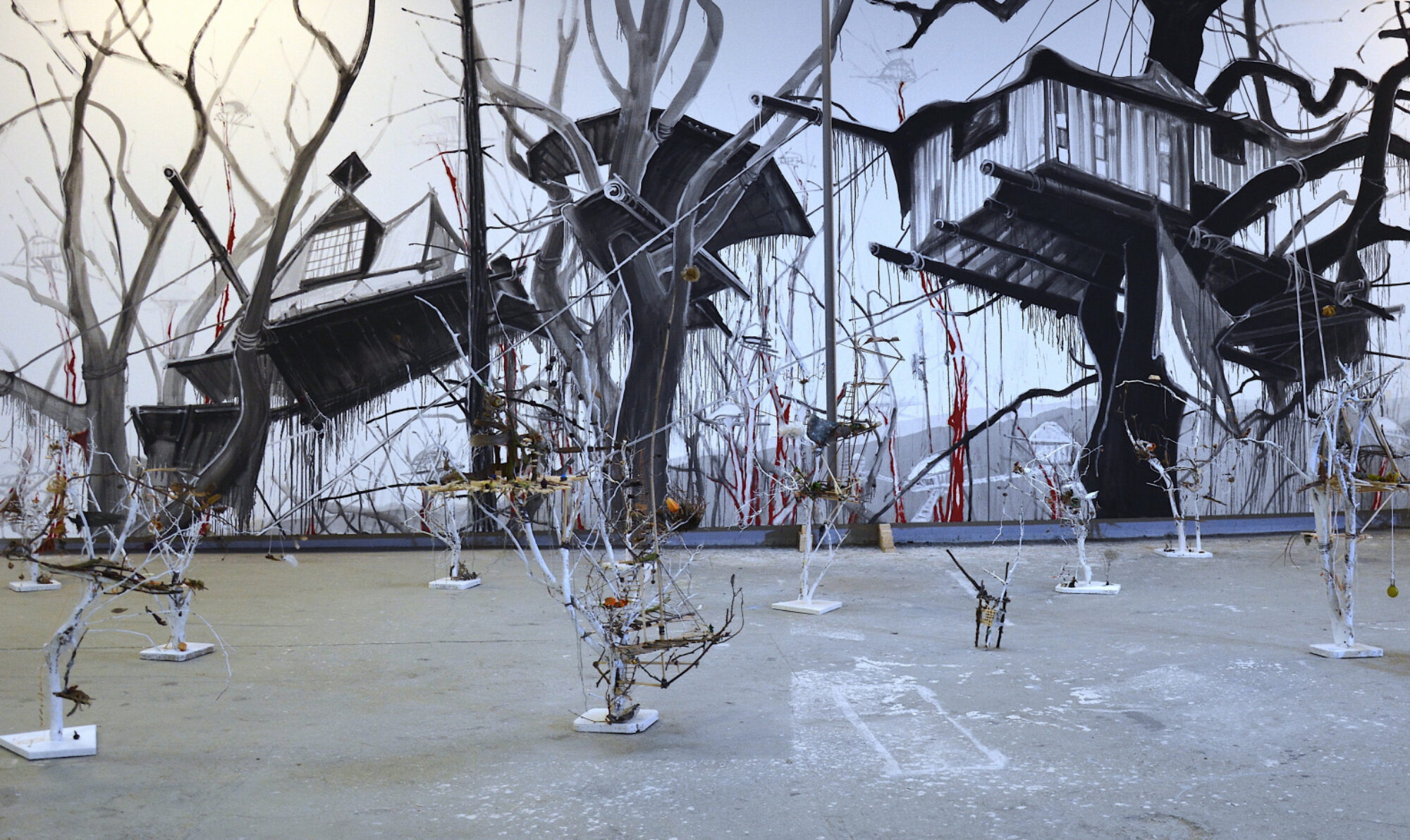
… born in 1964 in Schwelm/Wuppertal, North Rhine-Westphalia, and raised in the Ruhr region, Helge Hommes began his artistic path outside the established structures of the art world.
In 1985/86, together with a friend, he established his first studio space in an old brick factory in Wuppertal. This place became a catalyst for intellectual exploration and the beginning of his journey into art. Kafka was discussed, as were the thinkers of the Frankfurt School—Max Horkheimer and Theodor W. Adorno—as well as Sartre and other voices of critical philosophy. They were young, questioning, and driven by the desire for fundamental change.
The Cold War had divided the world, and then, in 1986, the Chernobyl disaster confronted an entire generation with urgent questions: What is to be done?
In 1987/88, Hommes moved to Trier, his father’s hometown, where he completed his alternative civilian service. There he encountered like-minded young people—socially engaged individuals and independent thinkers who challenged prevailing norms. This environment strengthened his decision to pursue an alternative path in life. A return to the socially accepted, bourgeois world, with its constructed systems and structures that he perceived as untenable, was never an option.
1989 brought the fall of the Berlin Wall and German reunification—a moment of uncertainty, but also of possibility.
From this intensely charged mixture of political awareness, social engagement, and an encounter with the world of art emerged his first highly expressive paintings. They were born from a profound inner urgency and marked the beginning of an artistic language shaped by resistance, questioning, and an uncompromising search for authenticity.

Art offered a means of expression—a channel through which this immense inner energy could find its release. The question remained: where else could this force have found its way into the world?
At first glance, none of this seemed to have anything to do with art—and yet, in many ways, it had everything to do with it. One thing was certain: this young “wild one” from Trier wanted nothing to do with what was considered art within the confines of the small Moselle city’s cultural establishment.
The greater the perceived opponent, the stronger the young artist’s impulse to rebel. His alternative way of living increasingly merged with the desire to express himself through painting and to take a clear artistic position. Choosing art as a way of life—as a means of navigating the world and finding his own place within it—was almost inevitable.
The deeply rooted and ever-present feeling that “there was something inside that had to come out” became the driving force behind Helge Hommes’ artistic journey.
He had to find a way through—a path that would prove to be long and challenging, requiring constant awareness not to lose his direction. Until 1992/93, Hommes lived a divided existence as a painter: during the day, he worked as a street artist in the pedestrian zones; in the evenings, he returned to the garage that had become his studio, continuing his work as an artist.
Both the experience of painting in public spaces and the alternative, left-wing autonomous lifestyle—with its ecological roots—became a multifaceted school of life. He was not shaped by an art academy; instead, his artistic language developed through direct experience, personal conviction, and an uncompromising engagement with the world around him.
Out of this period emerged paintings such as “… they say”—works that testify to an artist finding his own voice beyond institutional structures and established conventions.

During this period, his socially critical reflections found a “stage” within his early paintings. At the age of 23, Helge Hommes started a family and moved with his three children to a small rural village near Trier.
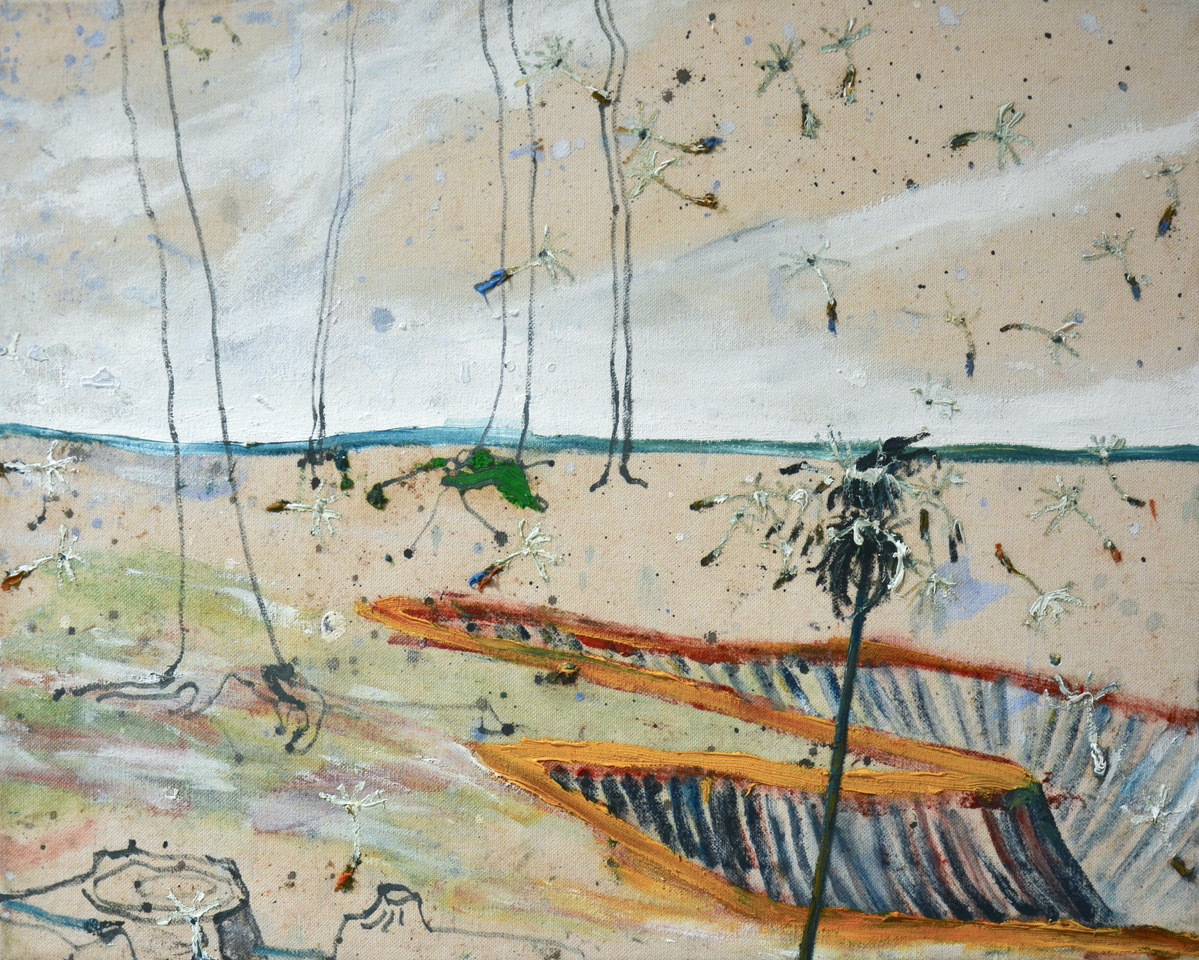
Between 1992 and 1996, he developed the body of work “Ausgrabungen – Kindereien” (“Excavations – Child’s Play”), in which he explored the fundamental theme of becoming and passing away—a subject approached through a deeply philosophical perspective. The raw expressiveness of his earlier works gradually gave way to a desire for a more profound form of seeing and understanding.
As a young father of a large family, his daily life naturally became intertwined with the world of his children. The realm of childhood playthings became the central focus of his artistic investigation. In his paintings, toys and objects from this intimate world were transformed into what appeared to be archaeological fragments or recovered artefacts, embedded within austere, ash-like surfaces.
Through this process, Hommes elevated the traces of childhood into symbols of memory, transformation, and the fragile cycles of existence.

Almost as a time traveller, Hommes attempted to capture a leap into the future on canvas, guided by the attentive gaze of one who knows how to read the traces left behind by the past. Influences from the emerging world of computer games—initially from the realms of Transformers and Game Boy, which his children translated into countless drawings on A4 sheets of paper—entered his paintings as quiet archaeological remnants within large, ash-coloured collage compositions.
Titles such as “Fernsehmüllflutzeit” (“The Age of Television Waste Flood”) and “everyone is dead – you are the winner” accompanied these works, reflecting his early awareness of the profound and unpredictable changes that the new digital and gaming culture would bring to human experience.
During his final years in Trier, in his studio at Gutshof Mariahof (1995–1997), a far-reaching transformation took place—both in his life and in his artistic practice.
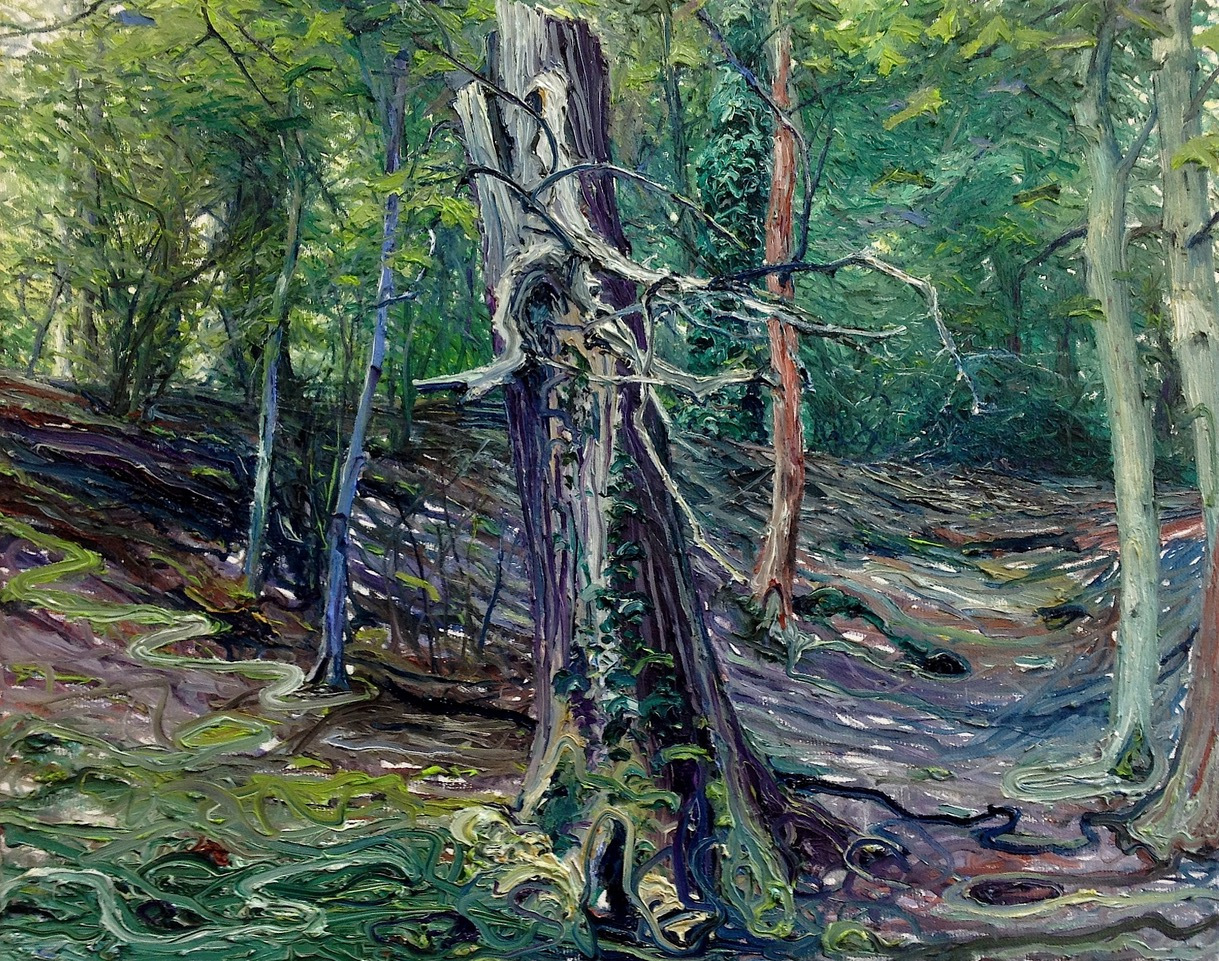
This period gave rise to the body of work known as the “Begrünungen” (“Greening”). Looking back with increasing clarity on the preceding years, Hommes developed a growing need to confront the fundamental question of being in relation to the “other”—nature itself.
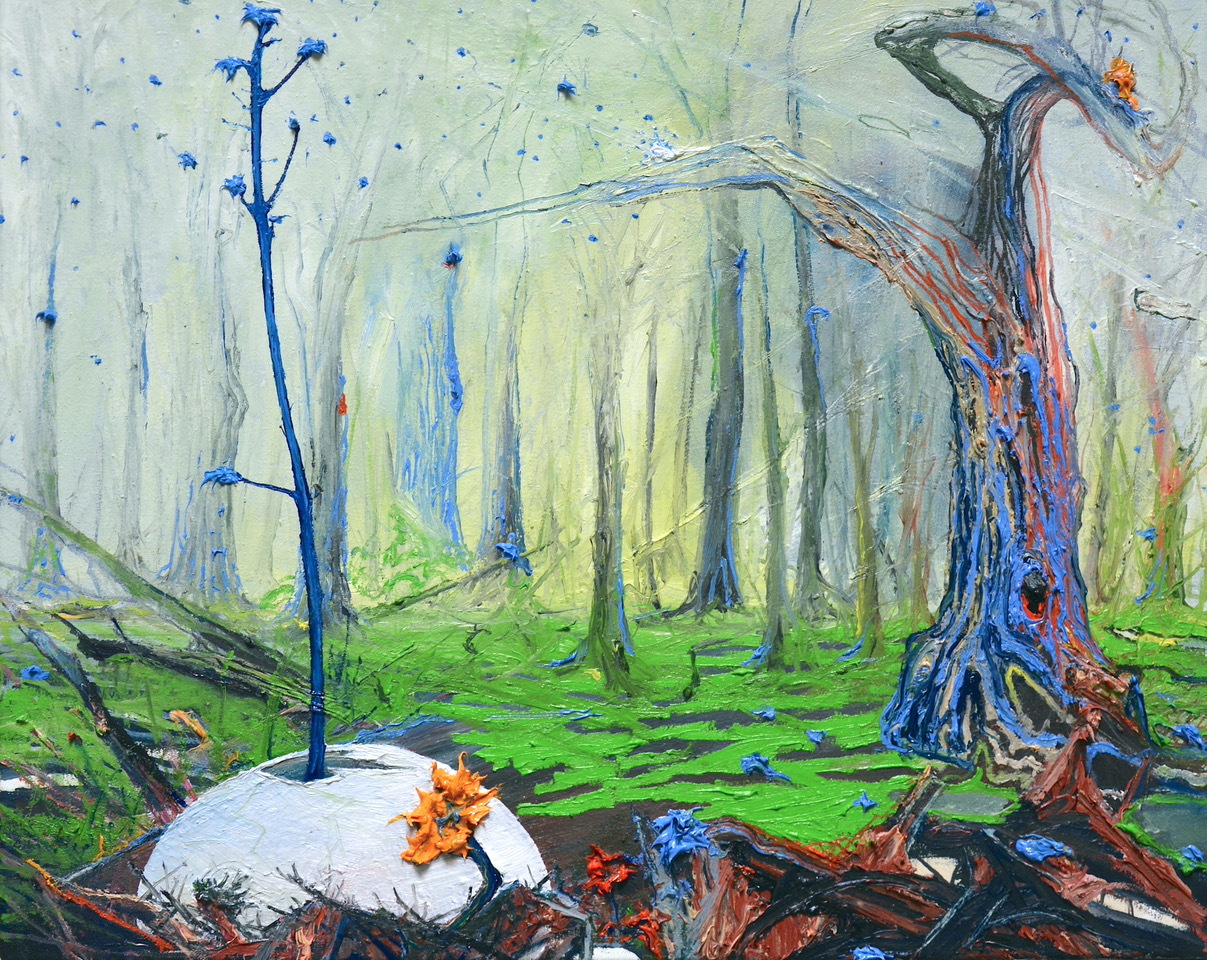
This new artistic direction began with an act of radical transformation: the overpainting of earlier, highly expressive works. Through this destructive and regenerative gesture, a new chapter in his painting emerged.

Driven by the idea of planting a green seed into these earlier works, Hommes discovered, during his final days in Trier, the foundation of a new artistic approach: Nature—the tree—as an equal counterpart.
This encounter with nature became a profound dialogue, shaped by the existential question: “Who am I, and what am I doing here in this world?” A counterpart had been found—not as an object of observation, but as a living presence and a partner in a process of understanding.
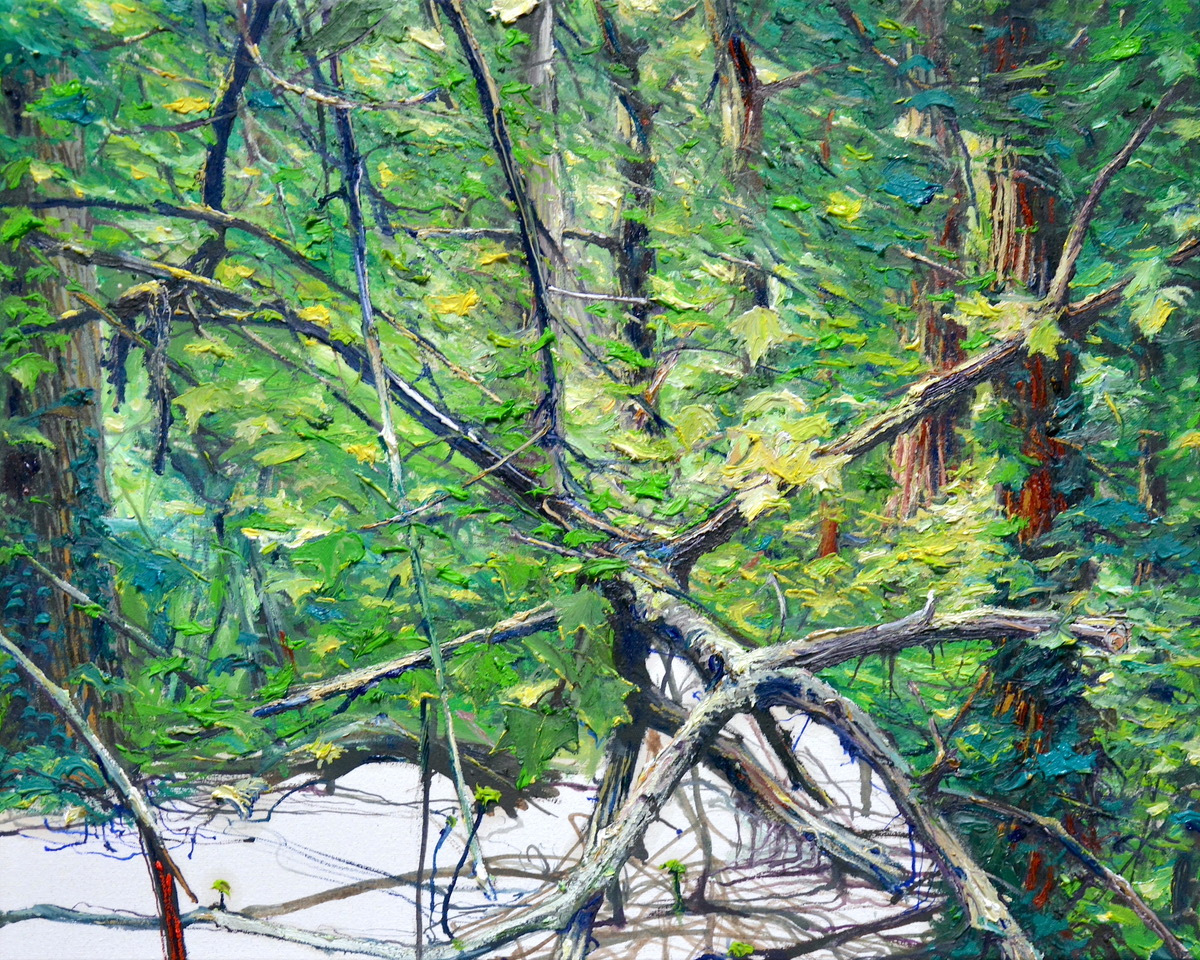
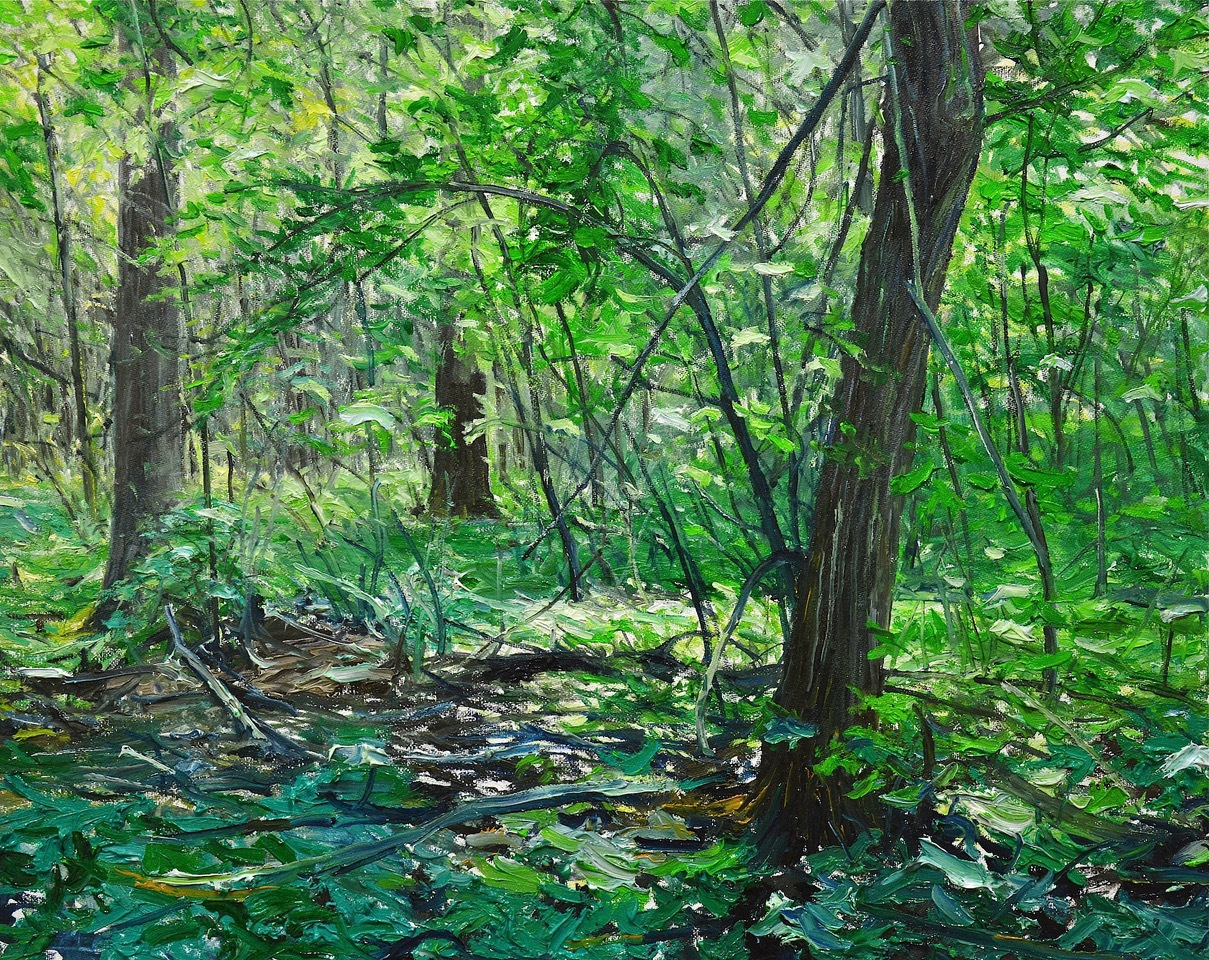
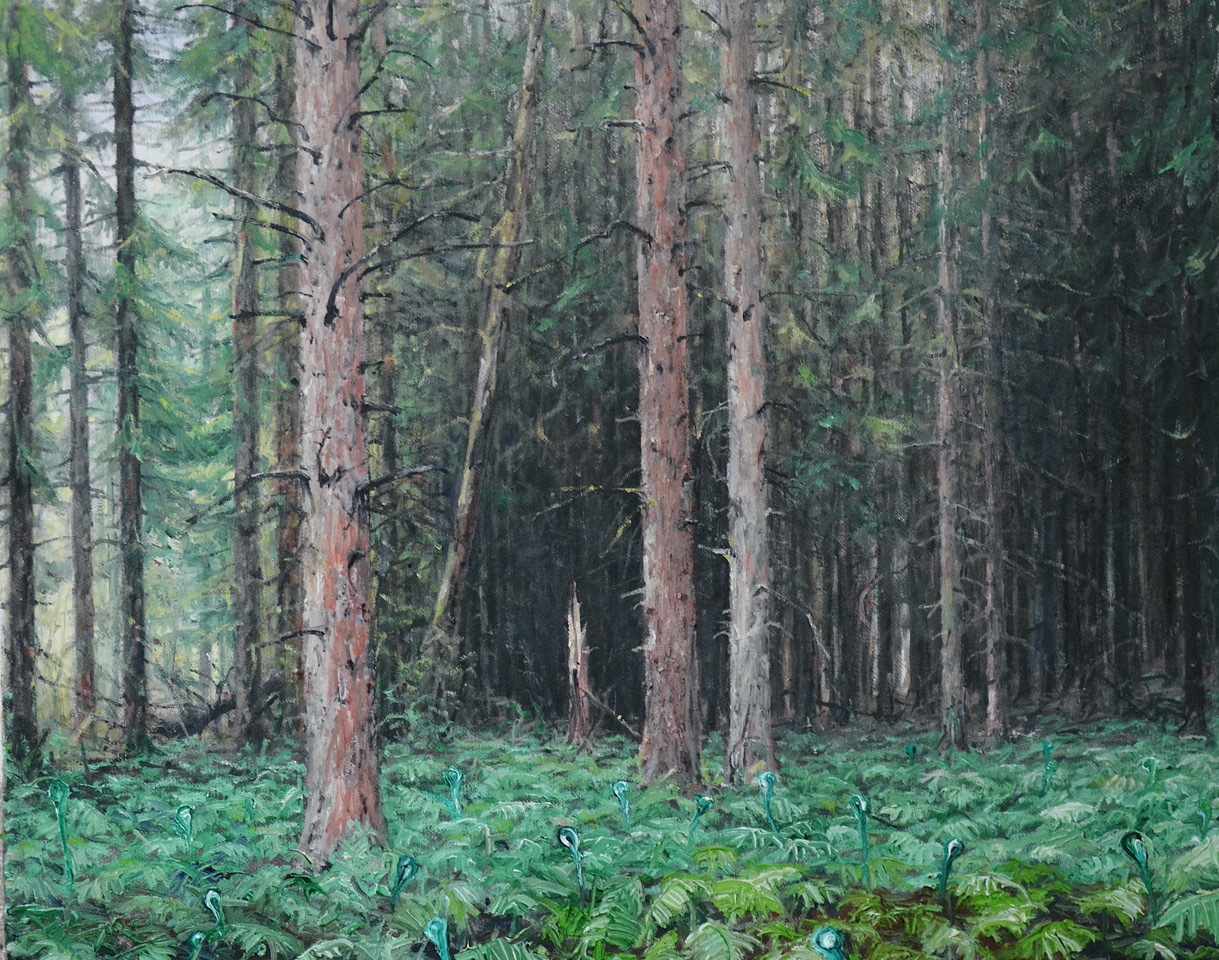
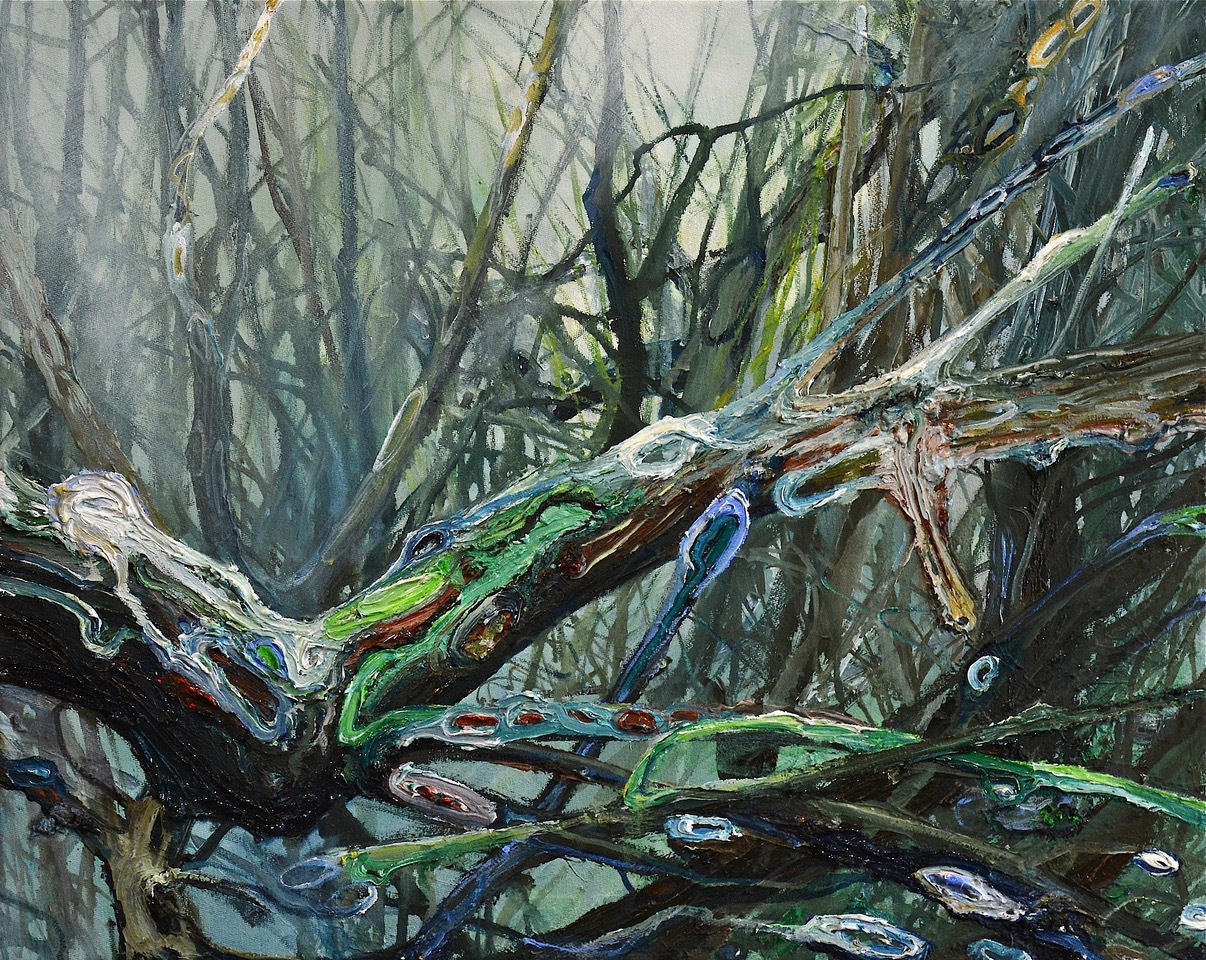
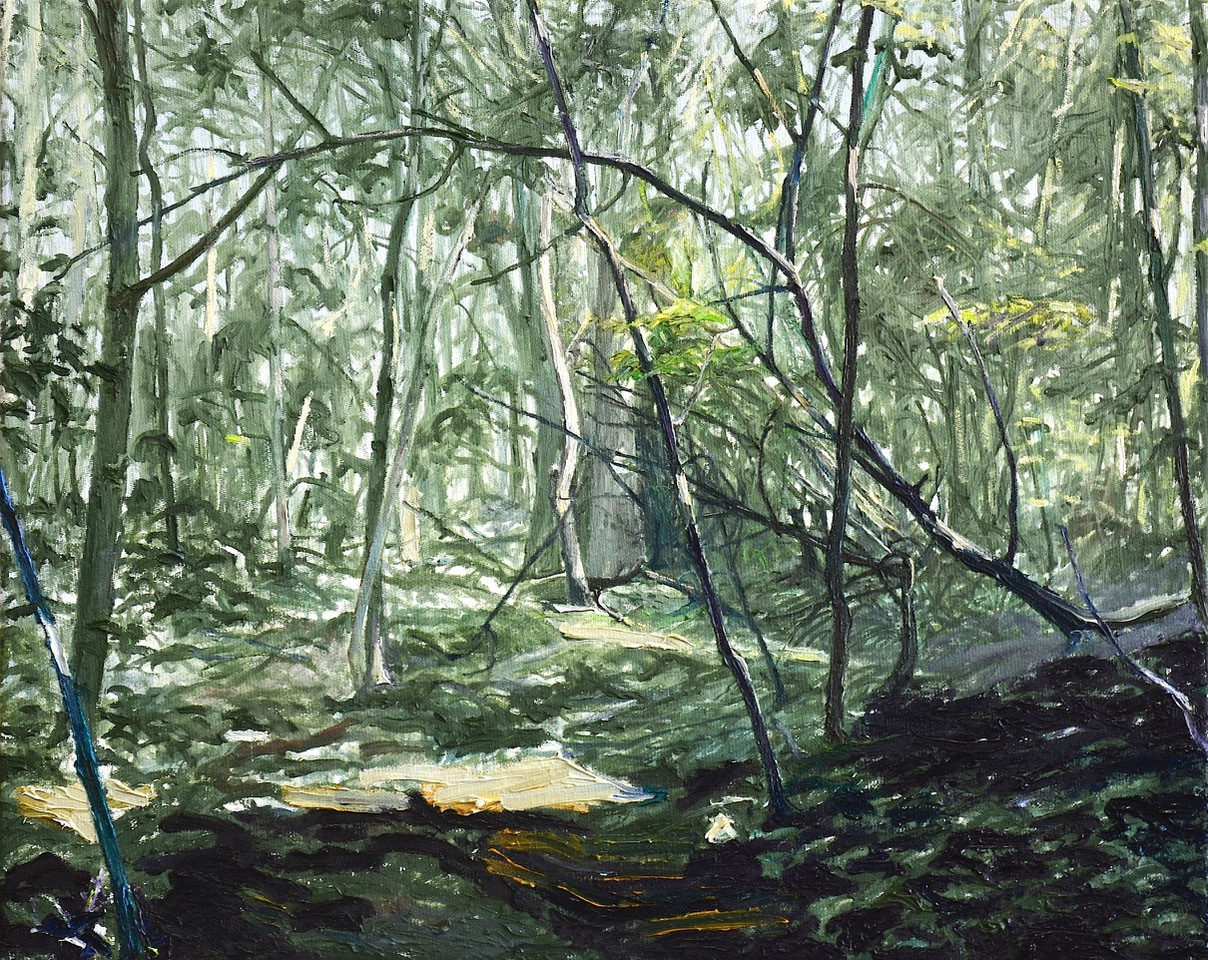
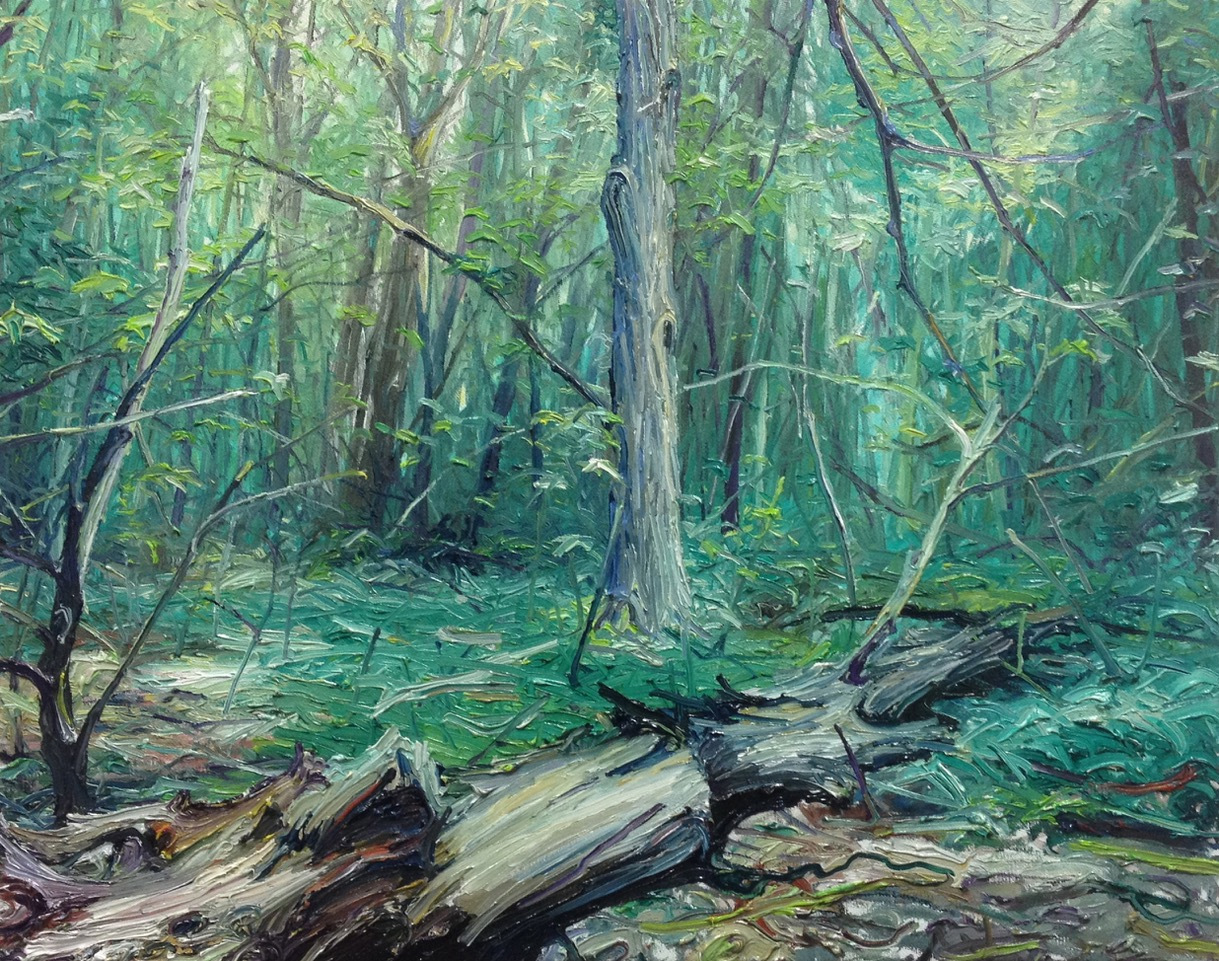
The architecture of nature became his field of research and discovery for many years. The “Waldarbeiten” (“Forest Works”), his first major new body of work, developed between 1997 and 2001 in another rural place of creation—the Hochwaldatelier in Malborn, located in an old farmhouse in the Hunsrück region—formed the foundation for his renewed approach to painting.
Parallel to this body of work, Hommes created a series of collaborative works with two painter friends from his hometown of Wuppertal under the title “Das NATURLABOR” (“The Nature Laboratory”), an experimental artistic investigation into the relationship between humanity and the natural world.
Then came September 11, 2001.
Do human beings ever learn?
For Hommes, a breaking point had been reached. The violence and destructiveness of human actions became almost unbearable. Yet his connection with nature remained a source of strength. Within it, he rediscovered himself—not as an observer standing outside the natural world, but as a human being inseparably connected to it. A person who refuses to give up, and who refuses to give up on humanity.
Nature remained the centre of his artistic vision.
In 2002, Hommes left the Hunsrück region and moved to Aachen, where he established his studio in an old industrial building. The studio at the former Talbot-Werke became his place of life and artistic production for twelve years.
During this period, profound personal changes shaped his existence: his family broke apart, his parents passed away, and later the family slowly began to reconnect. It was a difficult period in which art became the central pillar of his life. Over time, he came to understand the deeper meaning of a phrase he had encountered years before:
“Art = Life + Life = Art.”
For him, this equation became a key to understanding his own path.
Since 2012, Hommes has maintained a second studio in Leipzig. Although Leipzig became an important place of artistic exchange, it never became his true home. His artistic development had already been shaped by a much deeper connection to nature and lived experience.
Since his first collaborations with galleries in 1993, his painting has been supported and accompanied by exhibitions throughout Germany and internationally. Numerous presentations in galleries, art associations, museums, and at major art fairs, as well as acquisitions by public and private collections, document the development of his artistic journey.
Over the years, numerous bodies of work have emerged, expanded, and entered into dialogue with one another.
In 2013, Hommes wrote his manifesto “Helge macht Feuer” (“Helge Makes Fire”).
“We will see where the sparks fly, and whom or what they ignite,” he stated at the time.
Since 2017, Helge Hommes has worked together with his partner and fellow artist Saxana as the artist duo HELGE & SAXANA. In 2018, after entering the Hambach Forest and becoming involved in the resistance movement there, their activist engagement was reawakened and became an integral part of their artistic practice.
Today, they work as artists and activists in the context of climate change, creating artistic interventions within spaces of resistance against political and ecological failures.
There remains much to be done—and they contribute everything they can.
You can access my website archive here

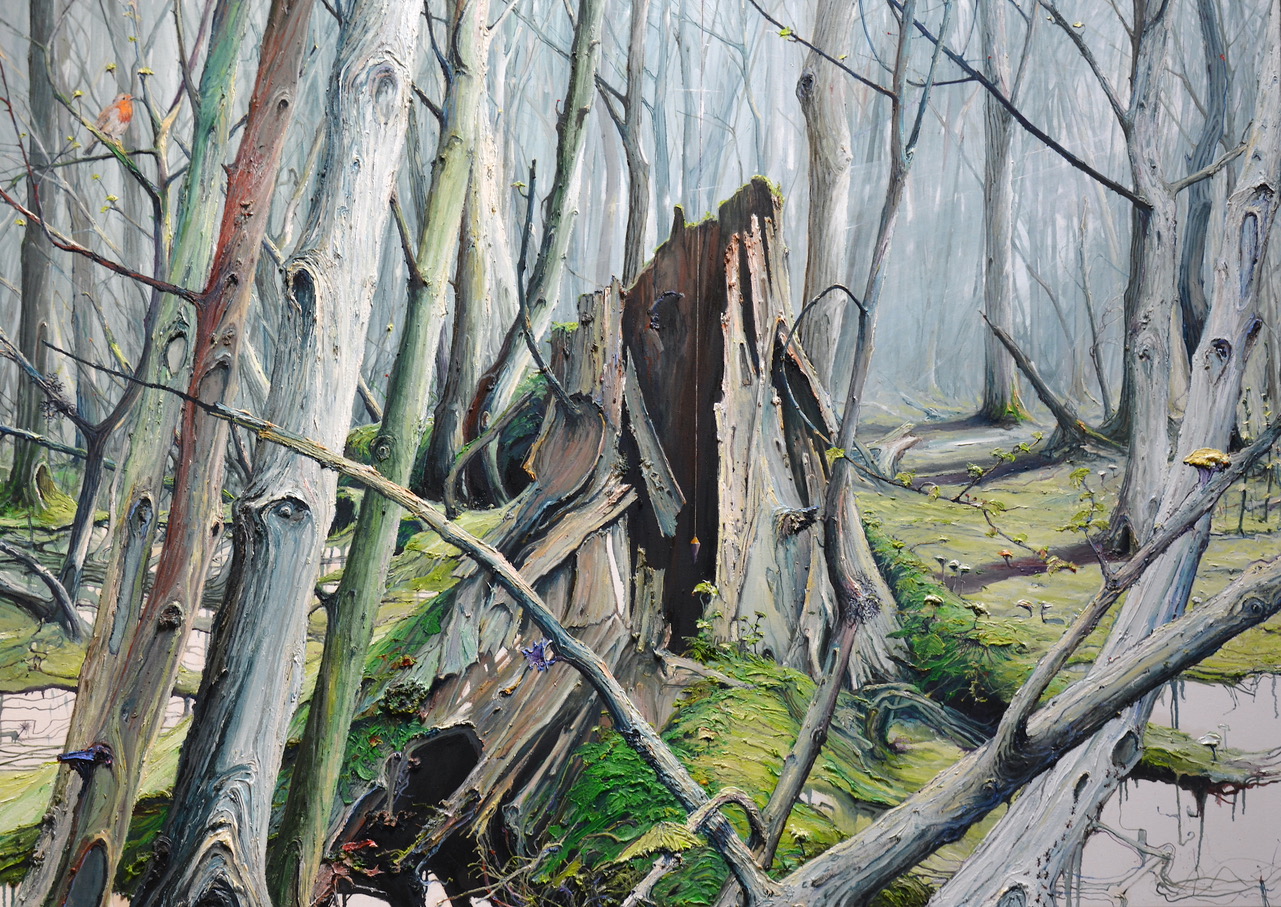
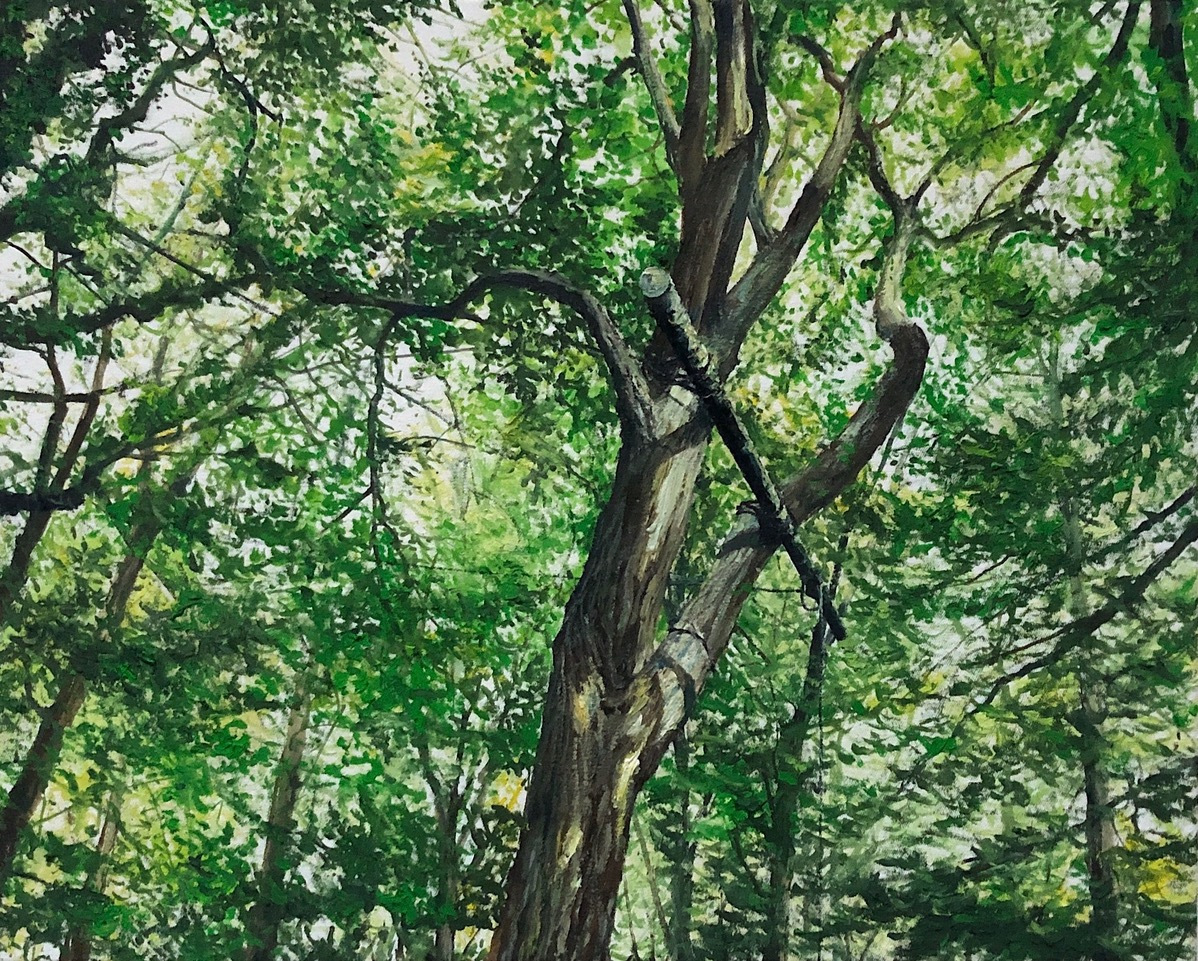
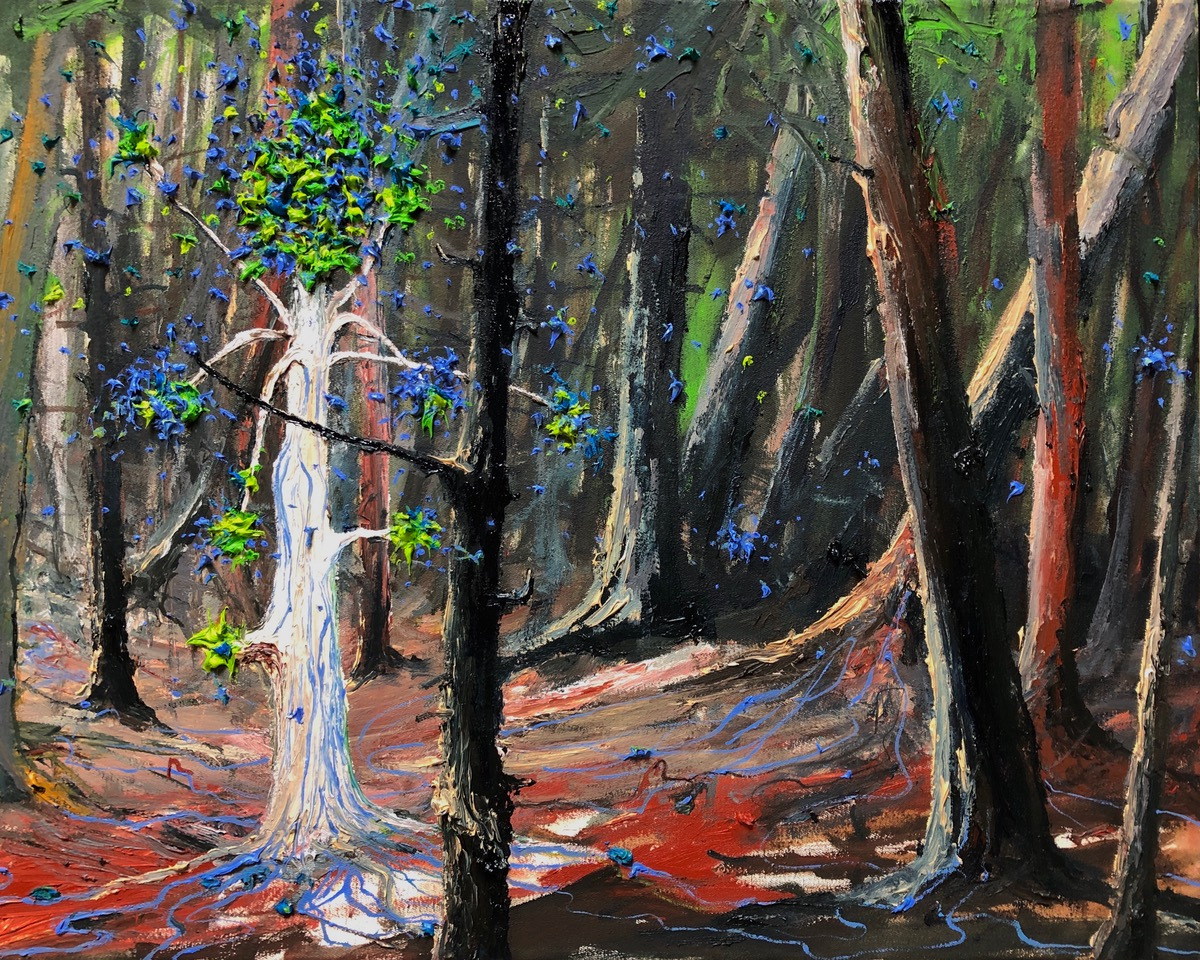
Baumportrait Nr. 7 – 2022
Titel: „DU … Cathedral of an unknown tree „
135 x 190 cm / Öl auf Leinwand / 2018 – 2022 / Aachener Wald

TITEL: Was kann ich wissen – Was kann ich tun – Was darf ich hoffen – Was ist der Mensch
Komposition: 270 cm x 1200 cm x 200 cm aus 14 Bildtafeln alle Öl auf Holz und Leinwand, einem Zollstock, einem Ast,4 Brennnesseln, Leerraum und einem HA(M)BI-TAT (Kleinplastik) / 2020 / … noch nicht abgeschlossen
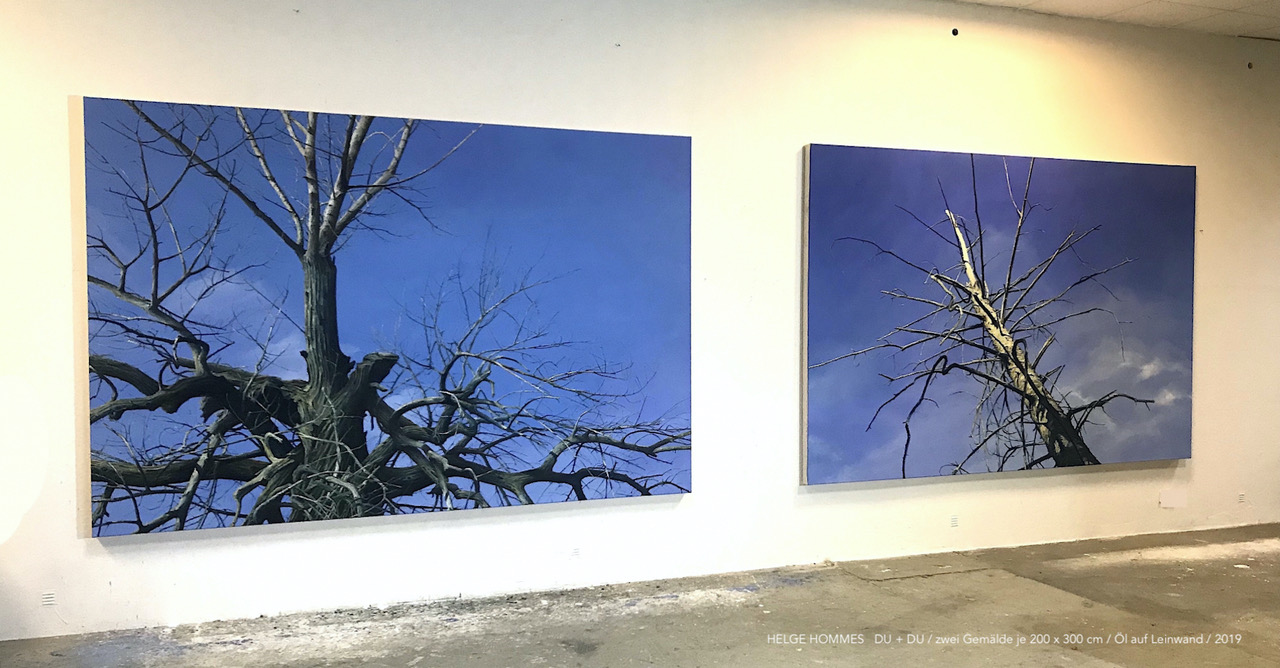


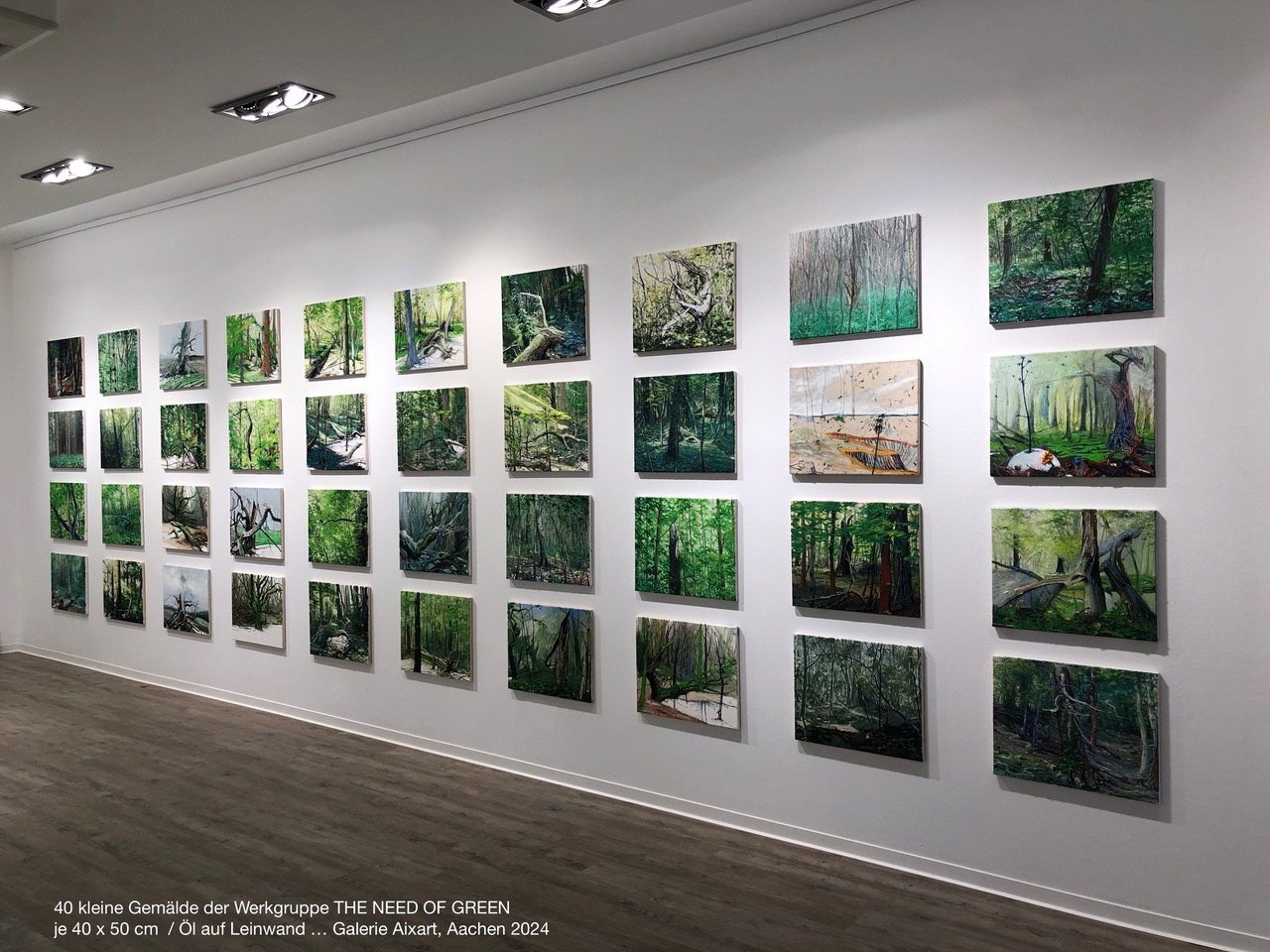
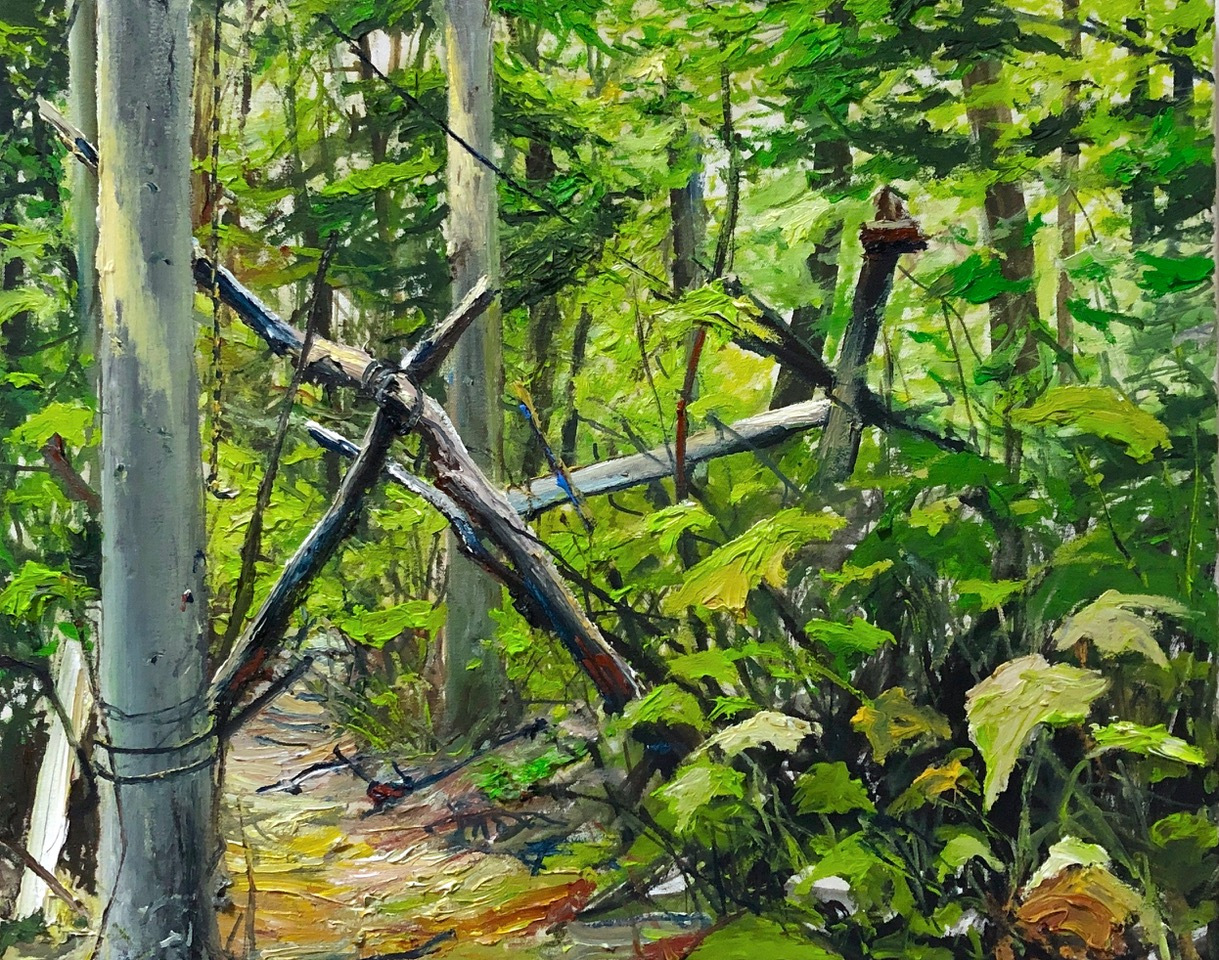
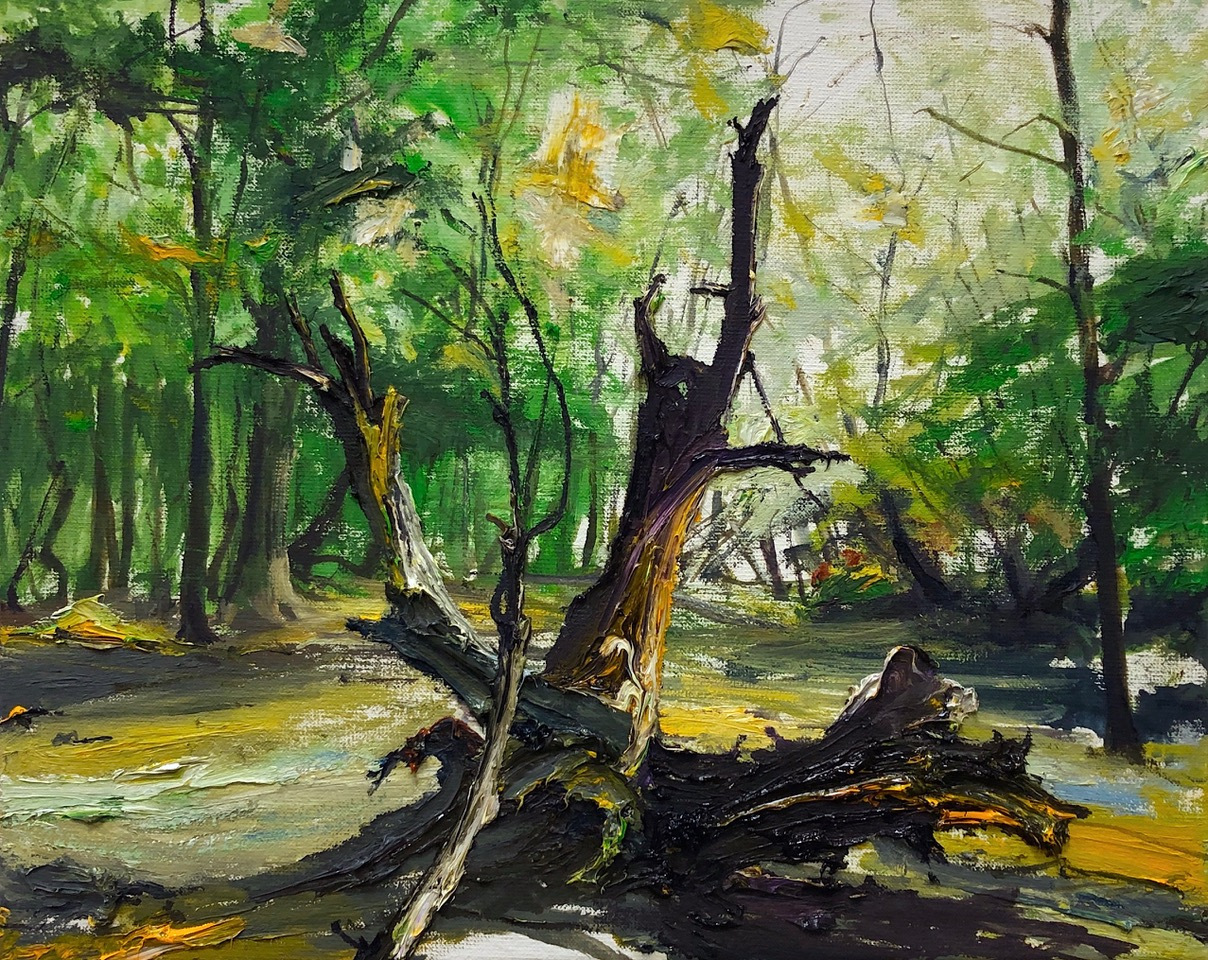
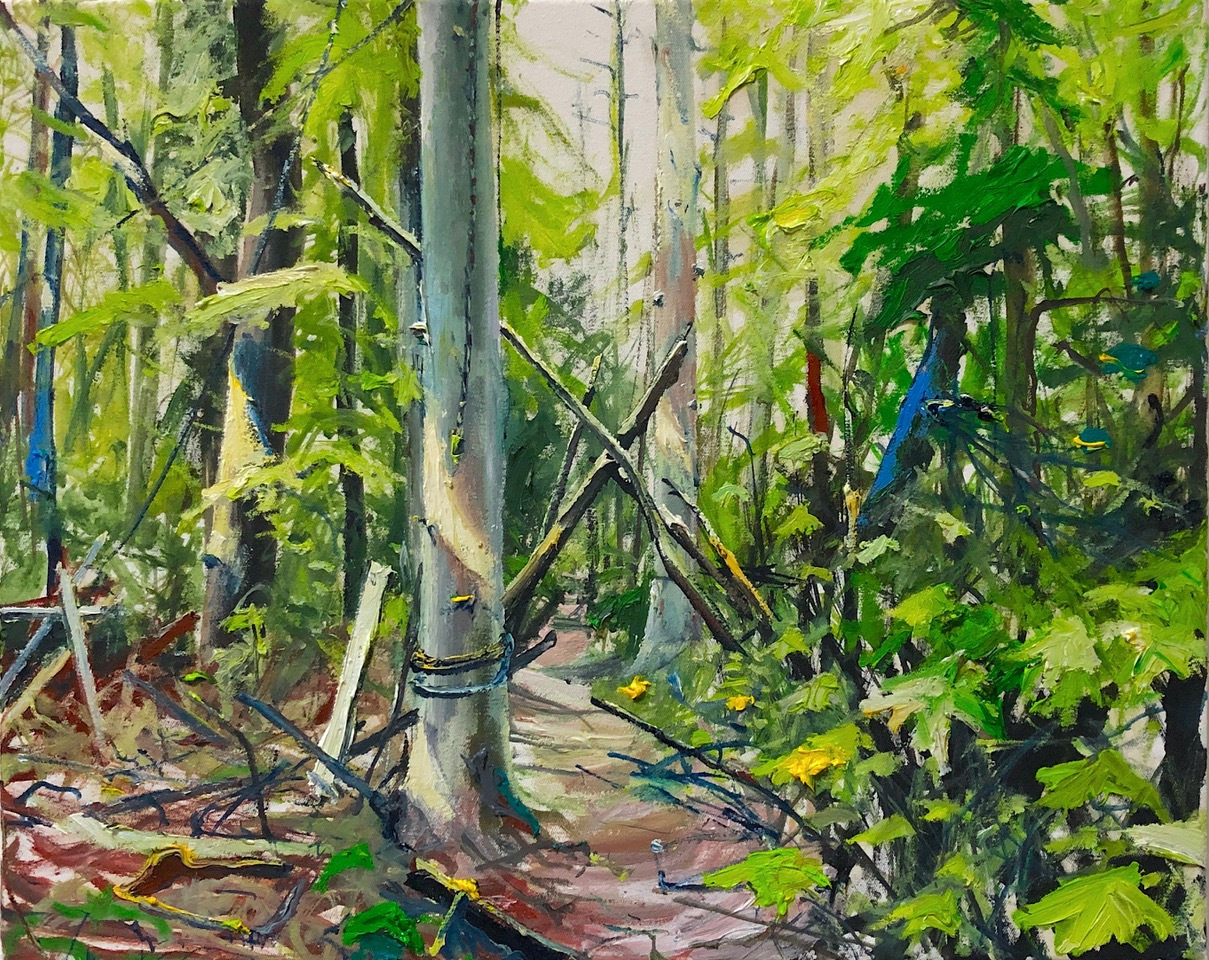
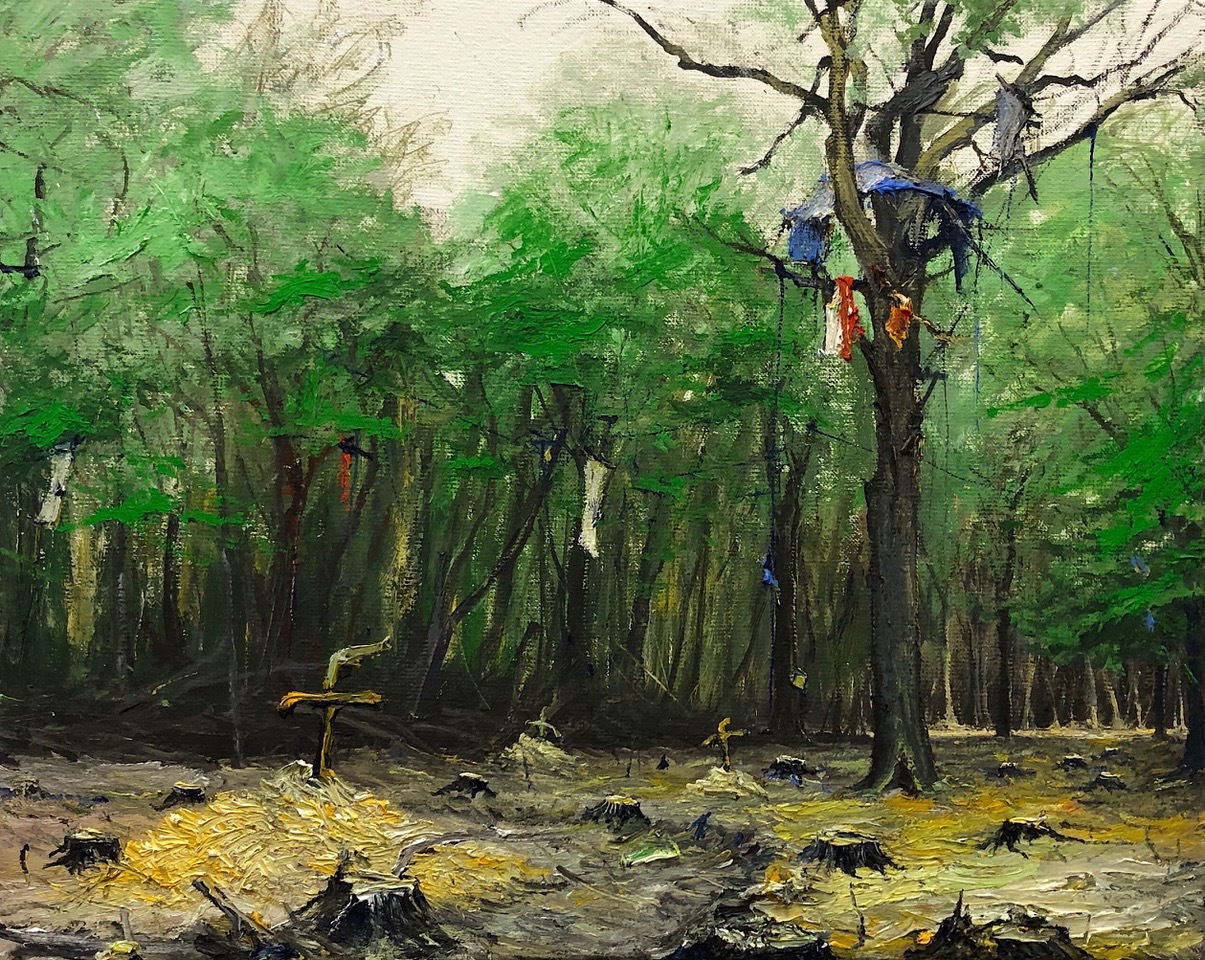
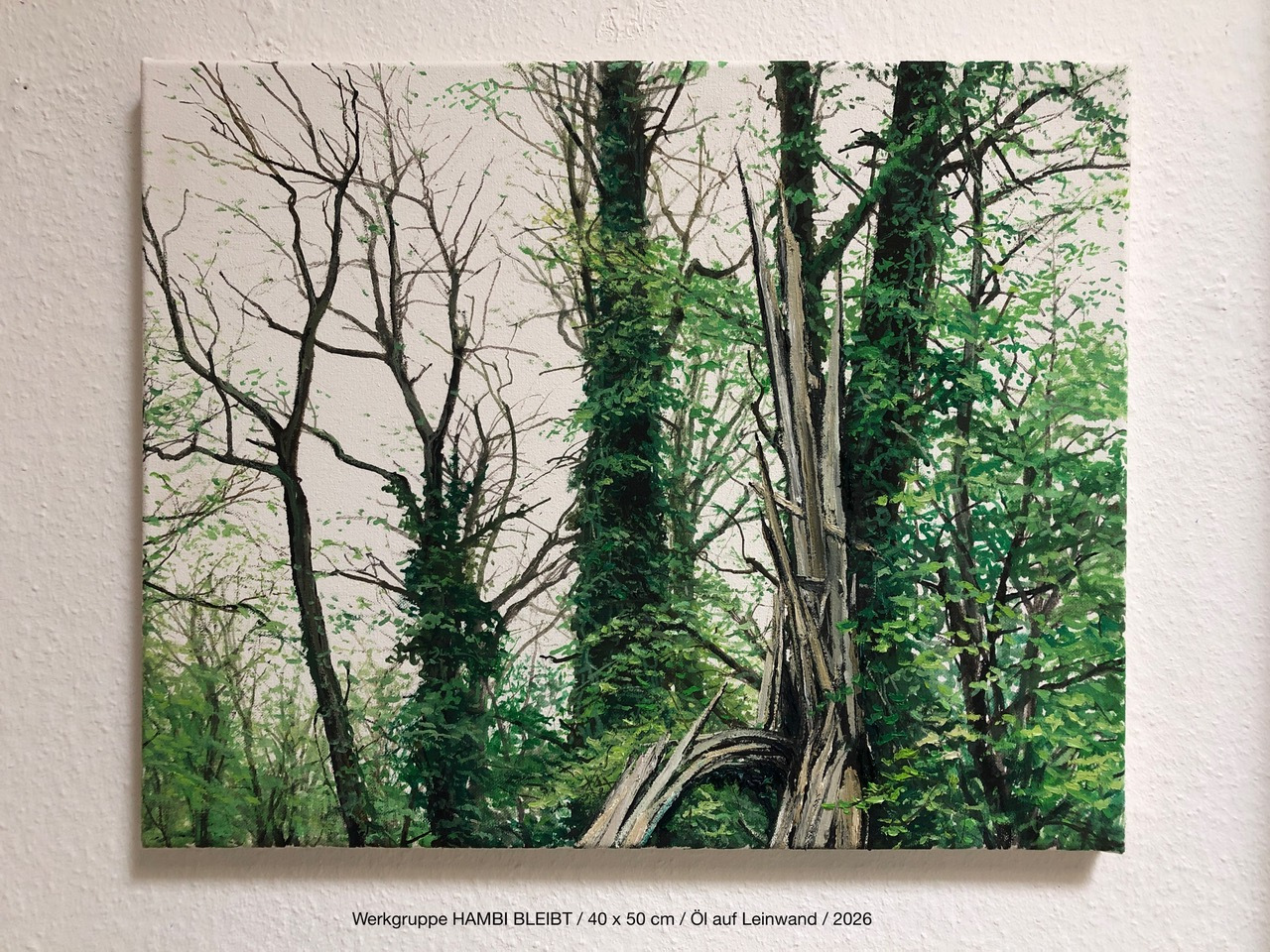
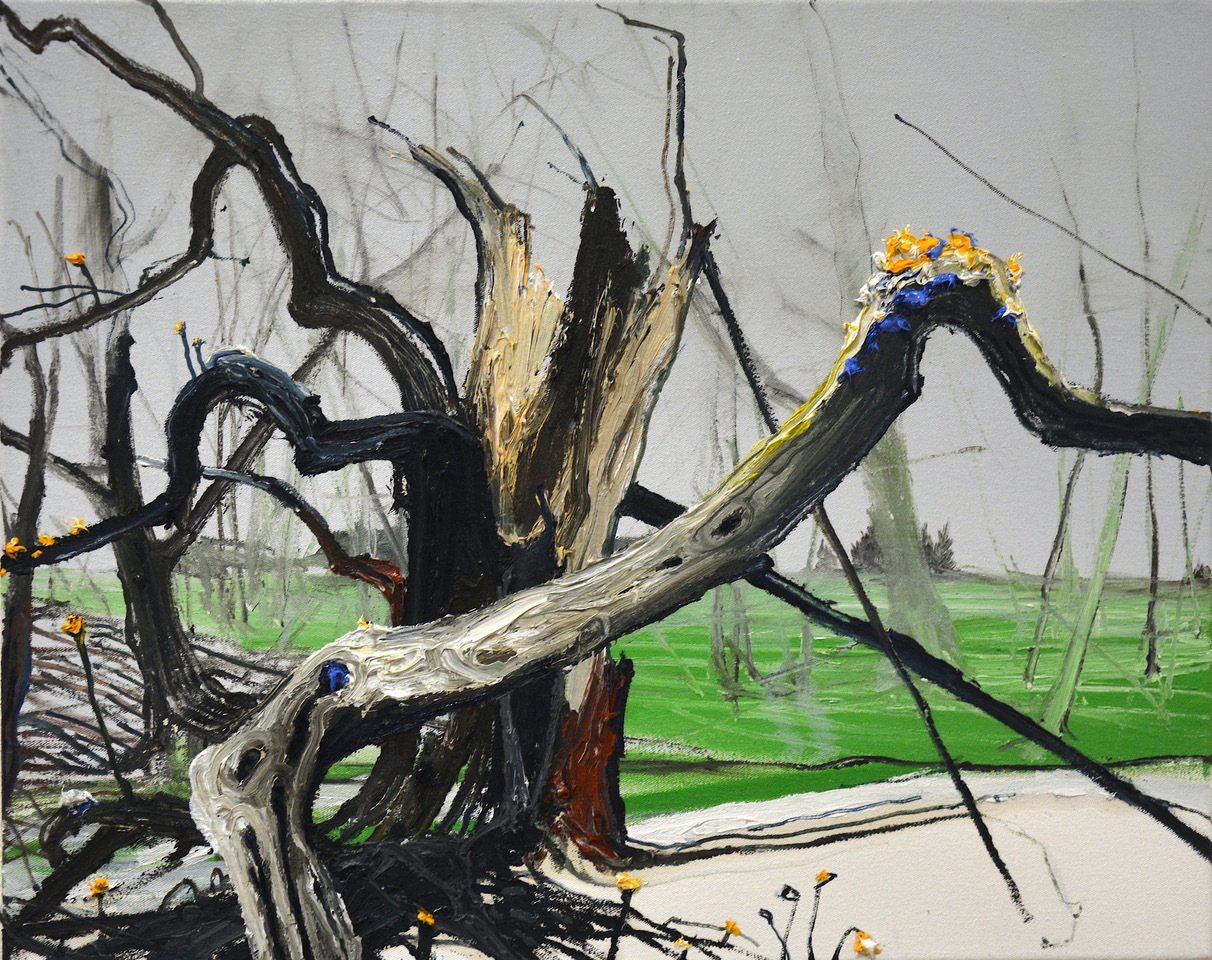
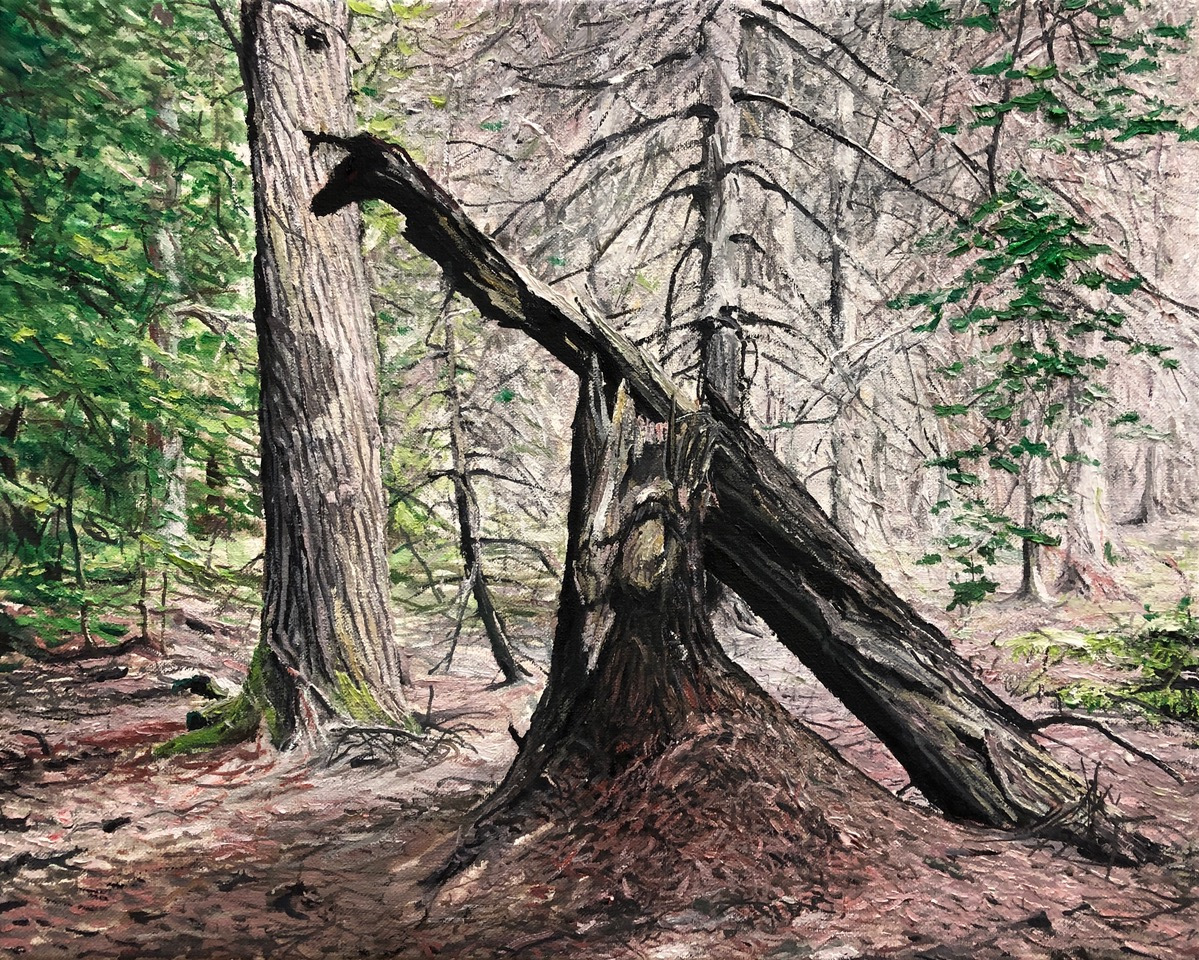
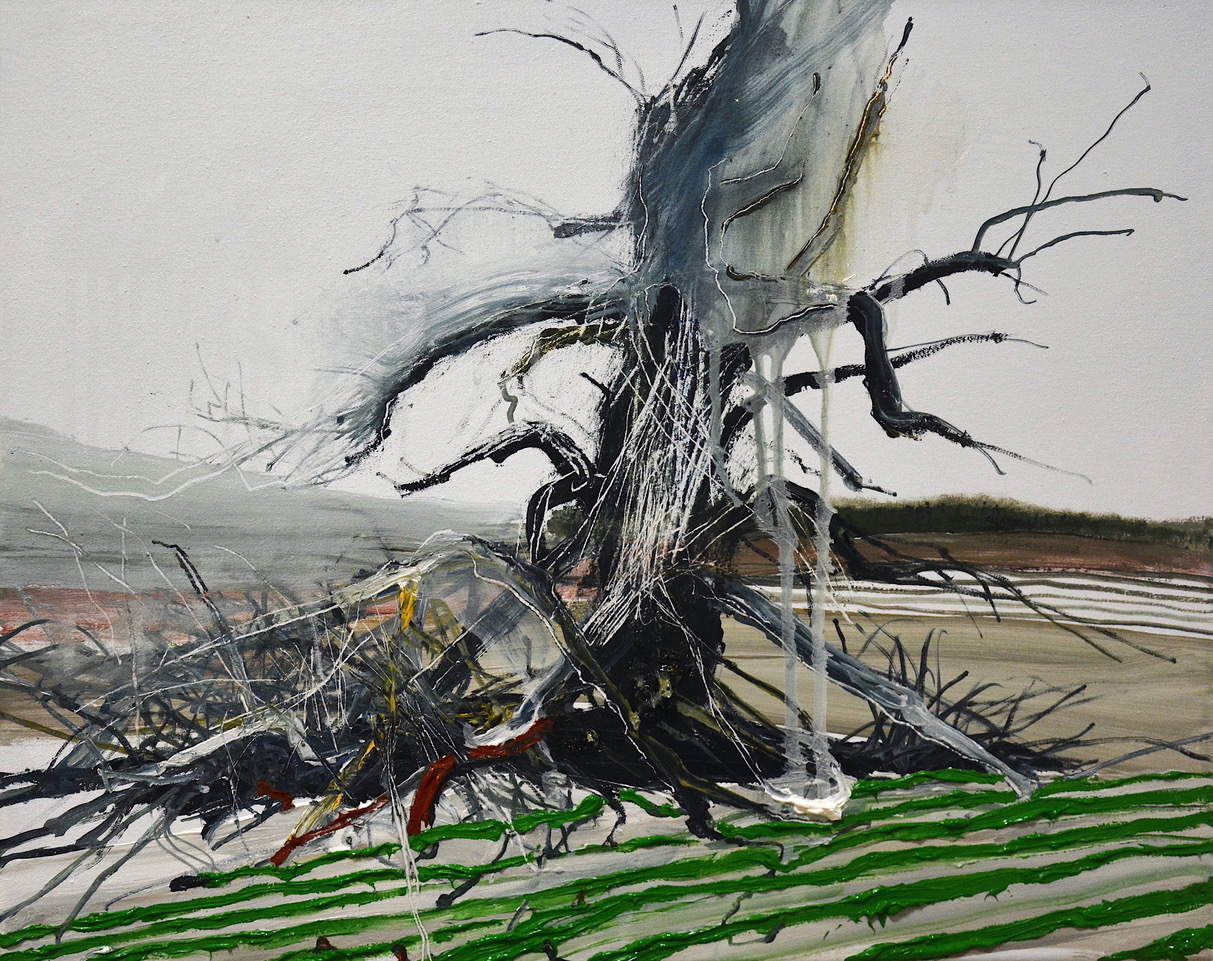
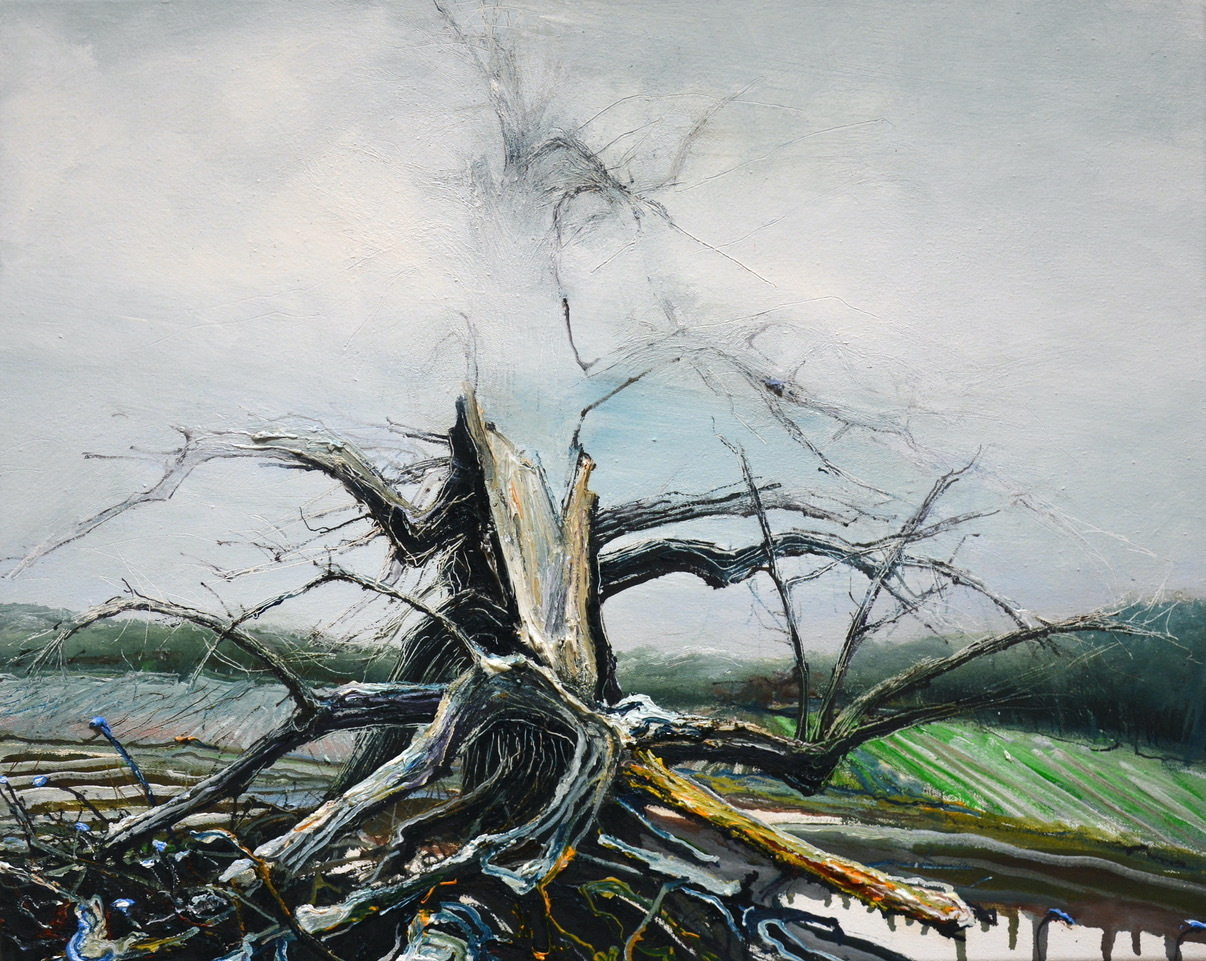
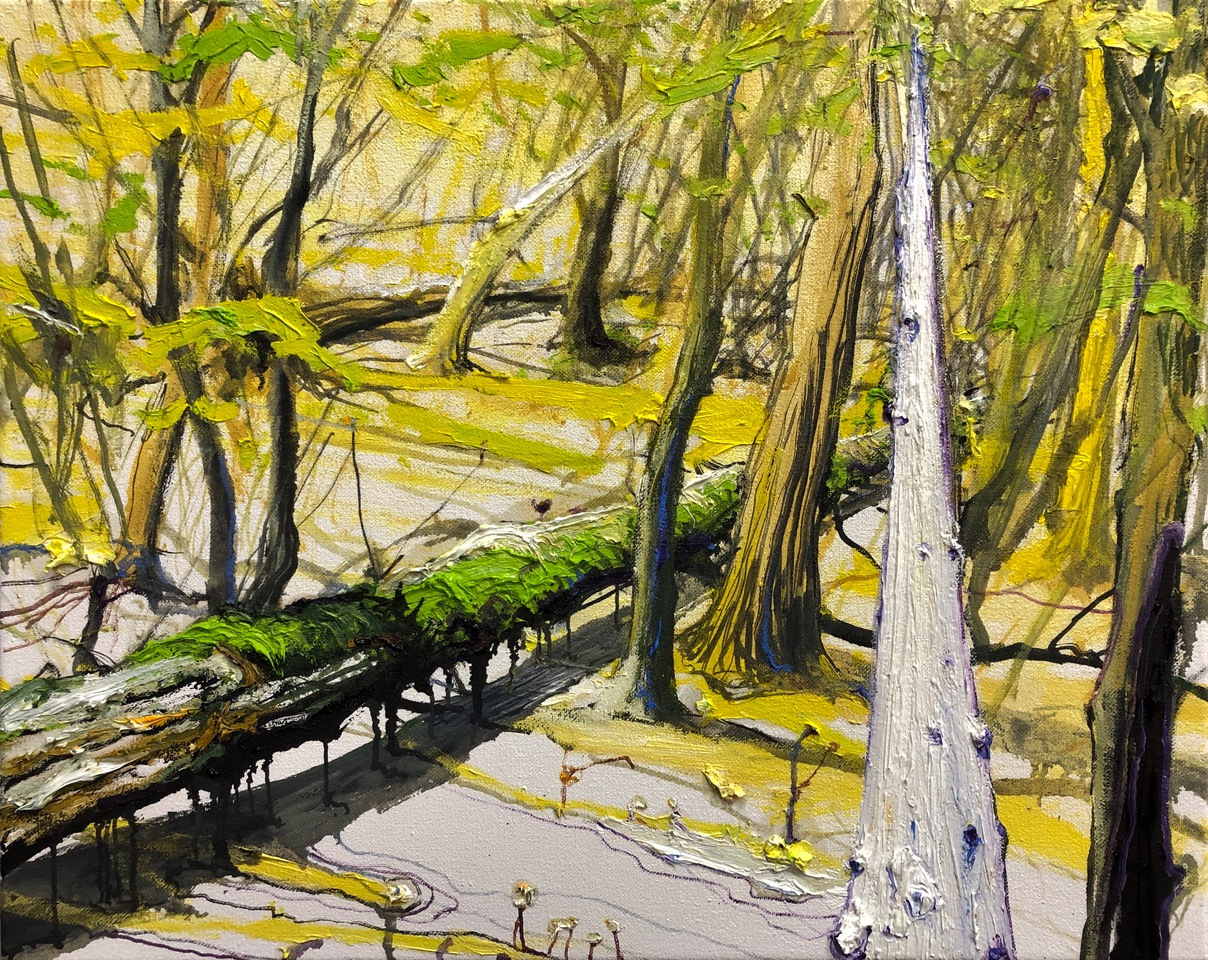
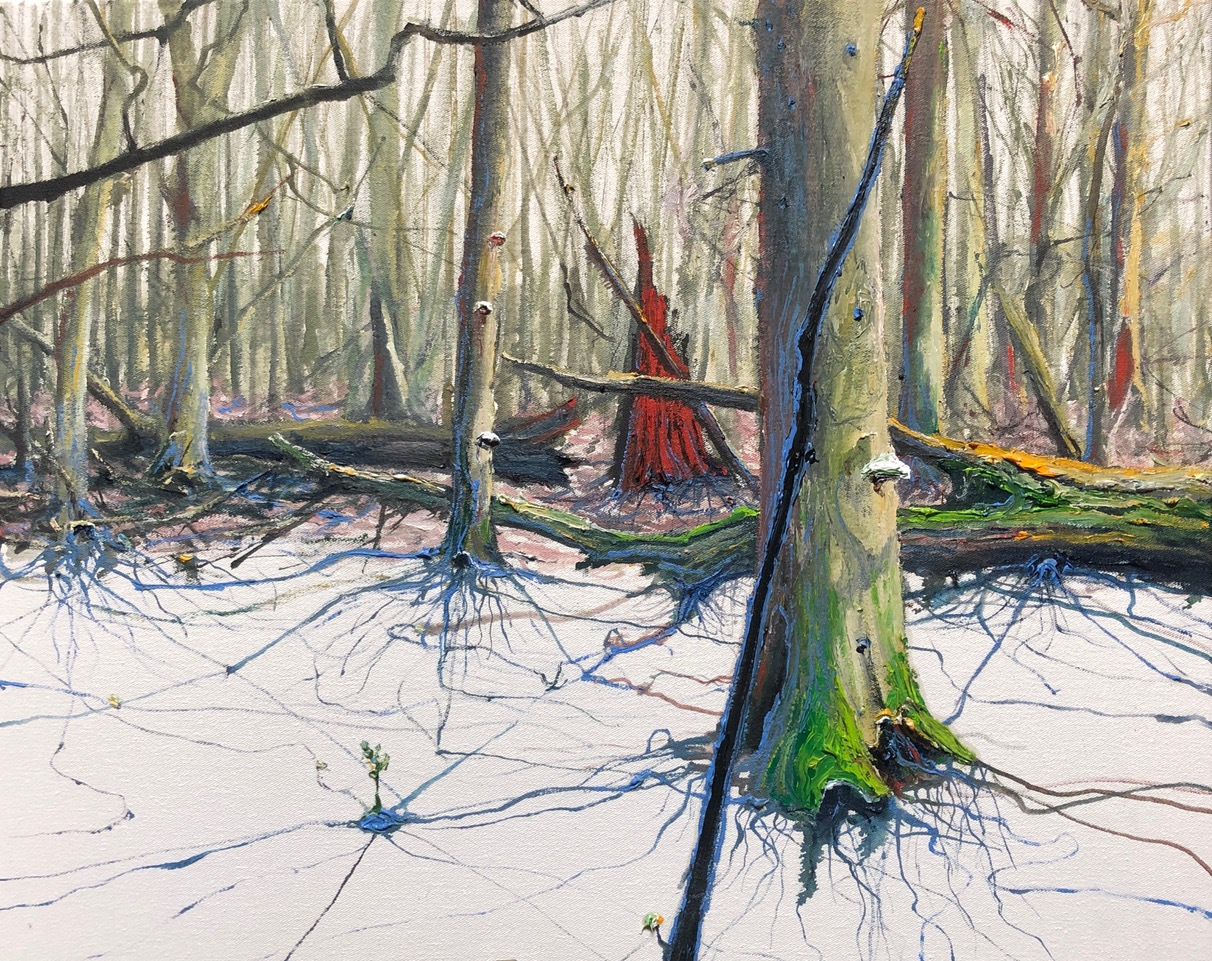
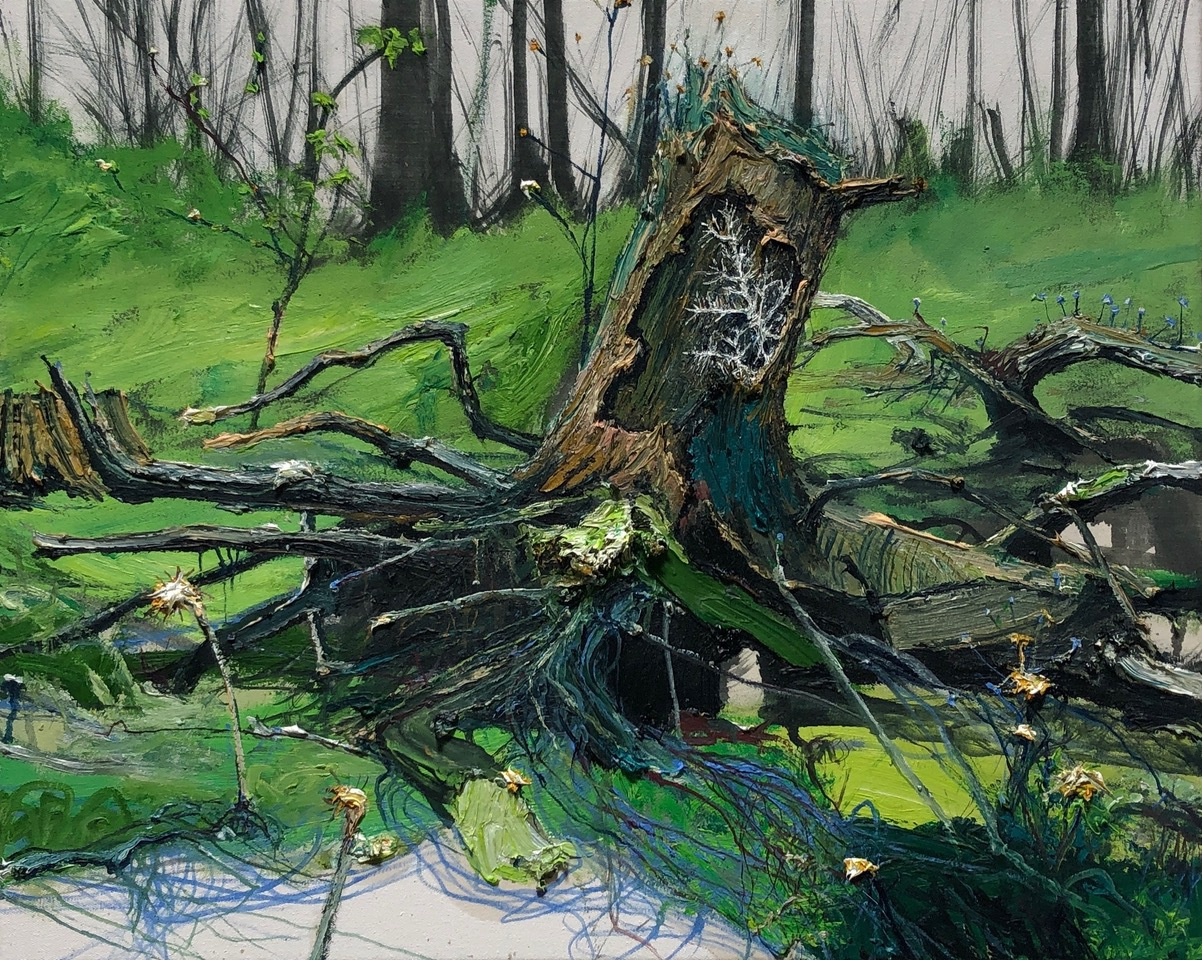
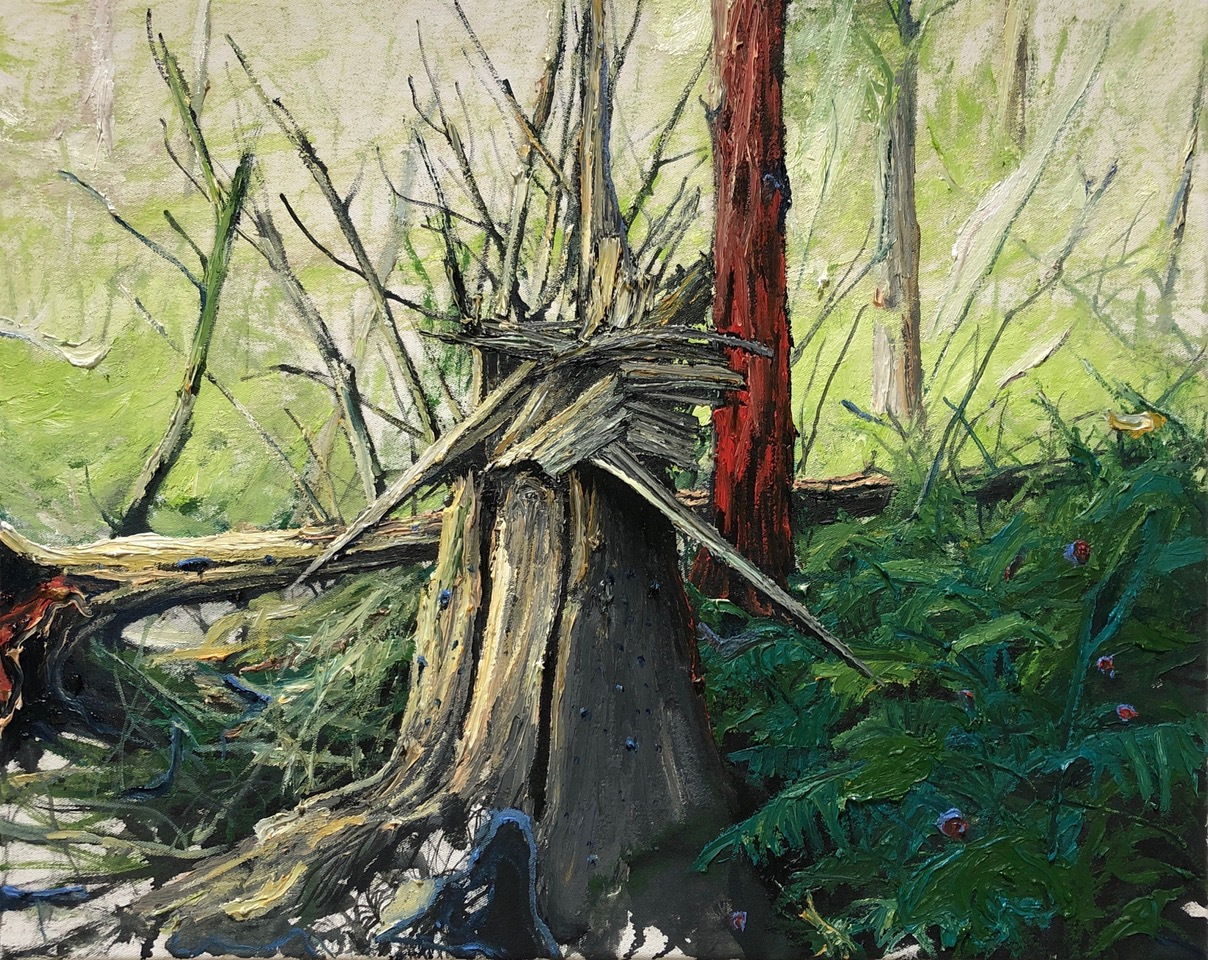
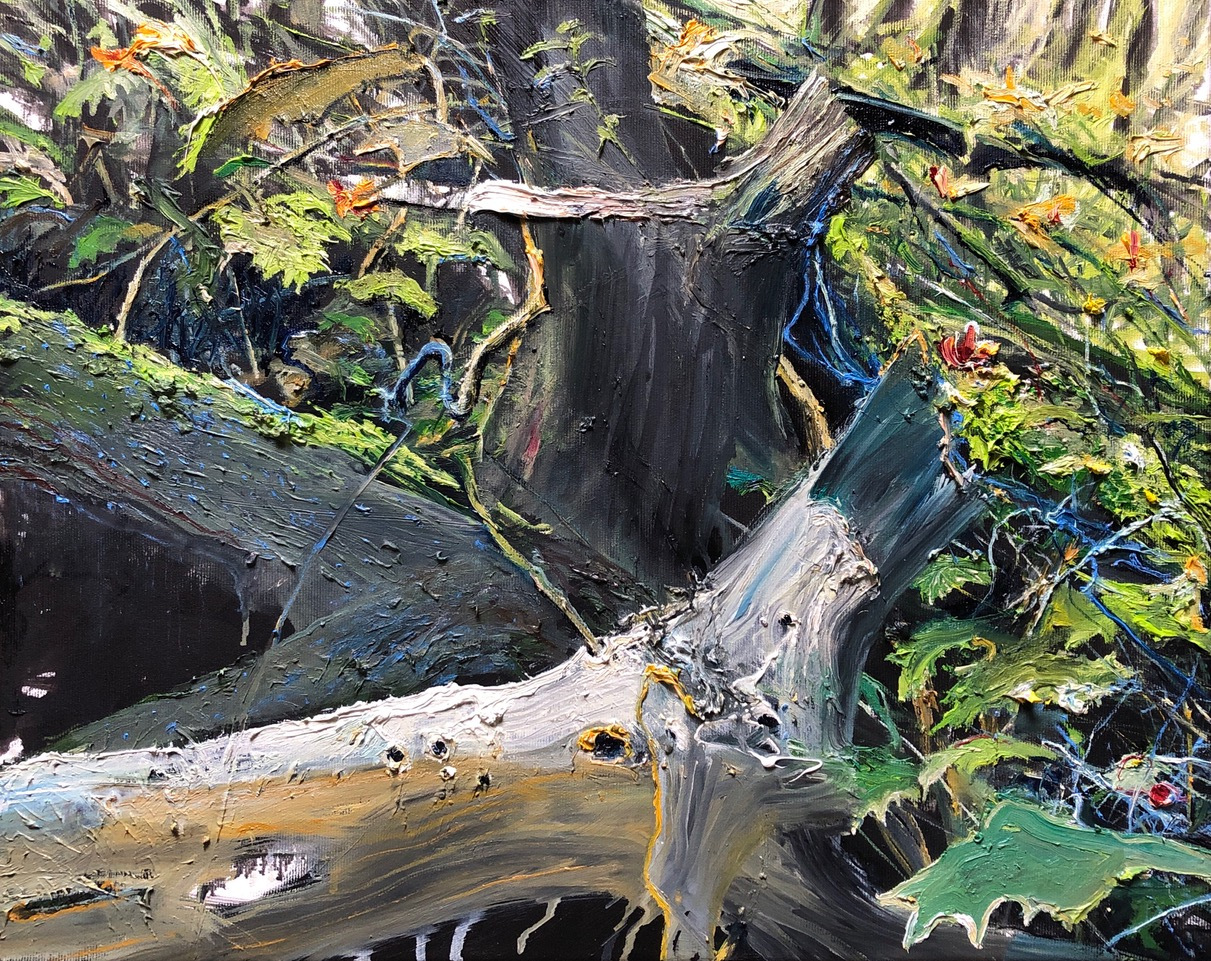
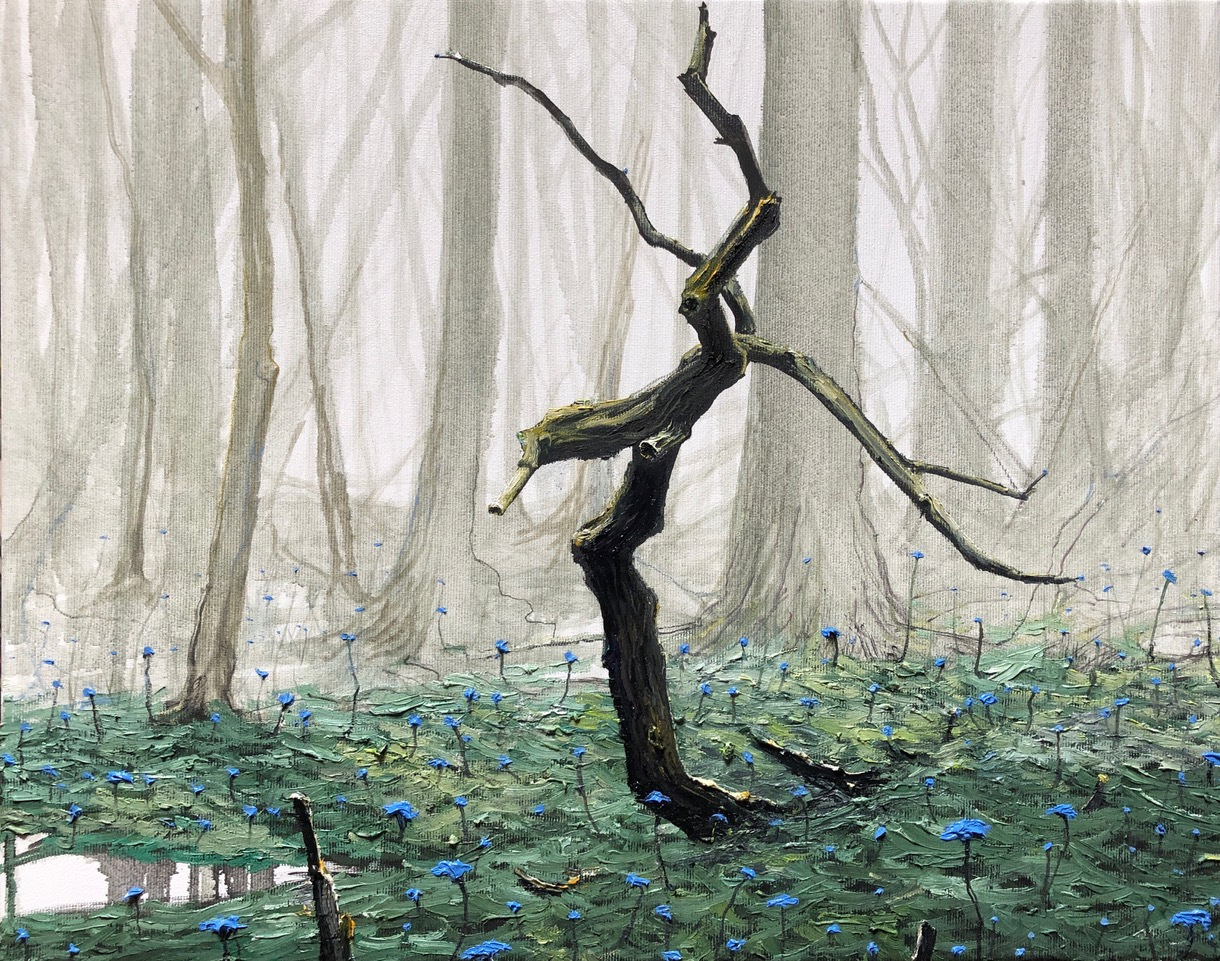
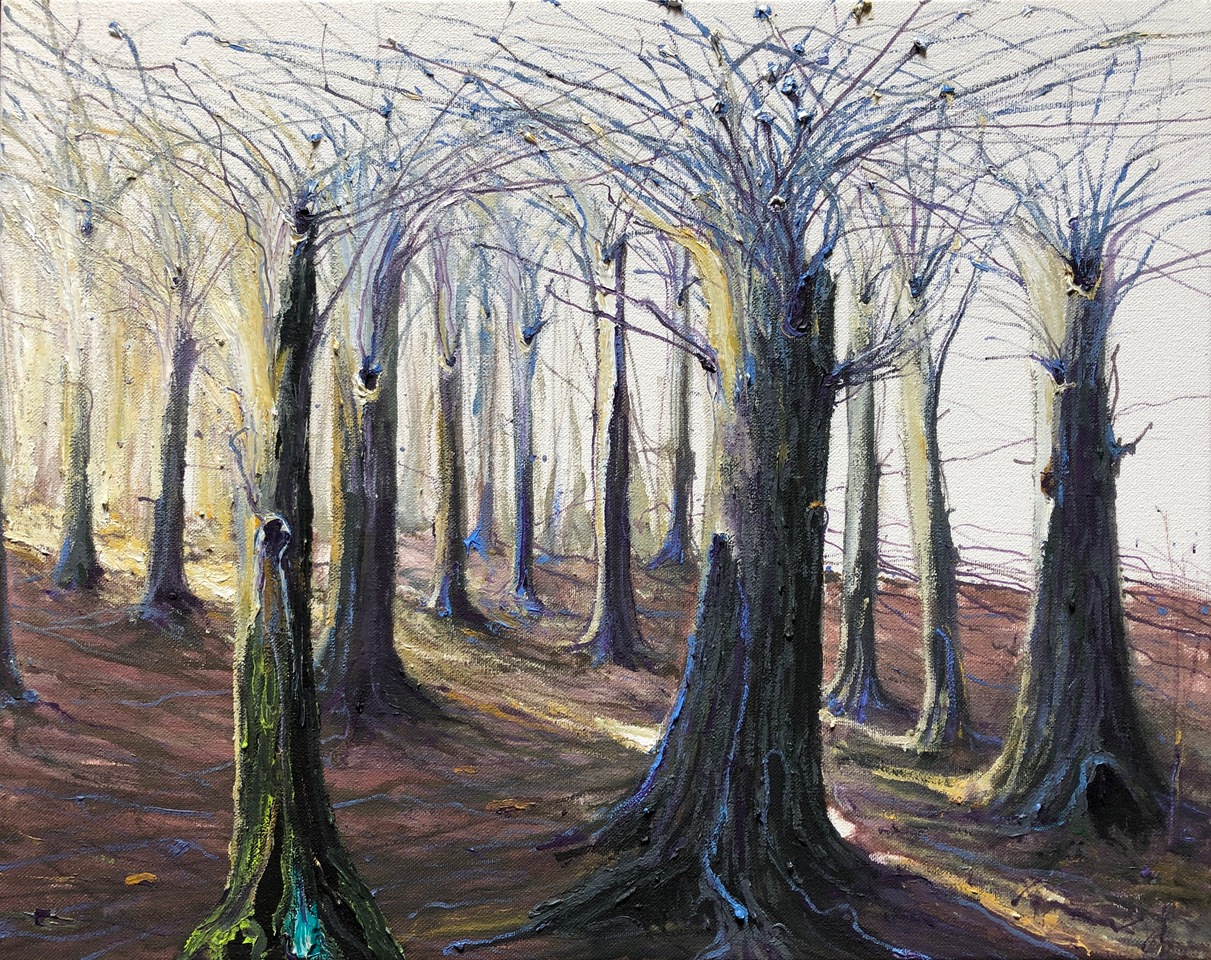
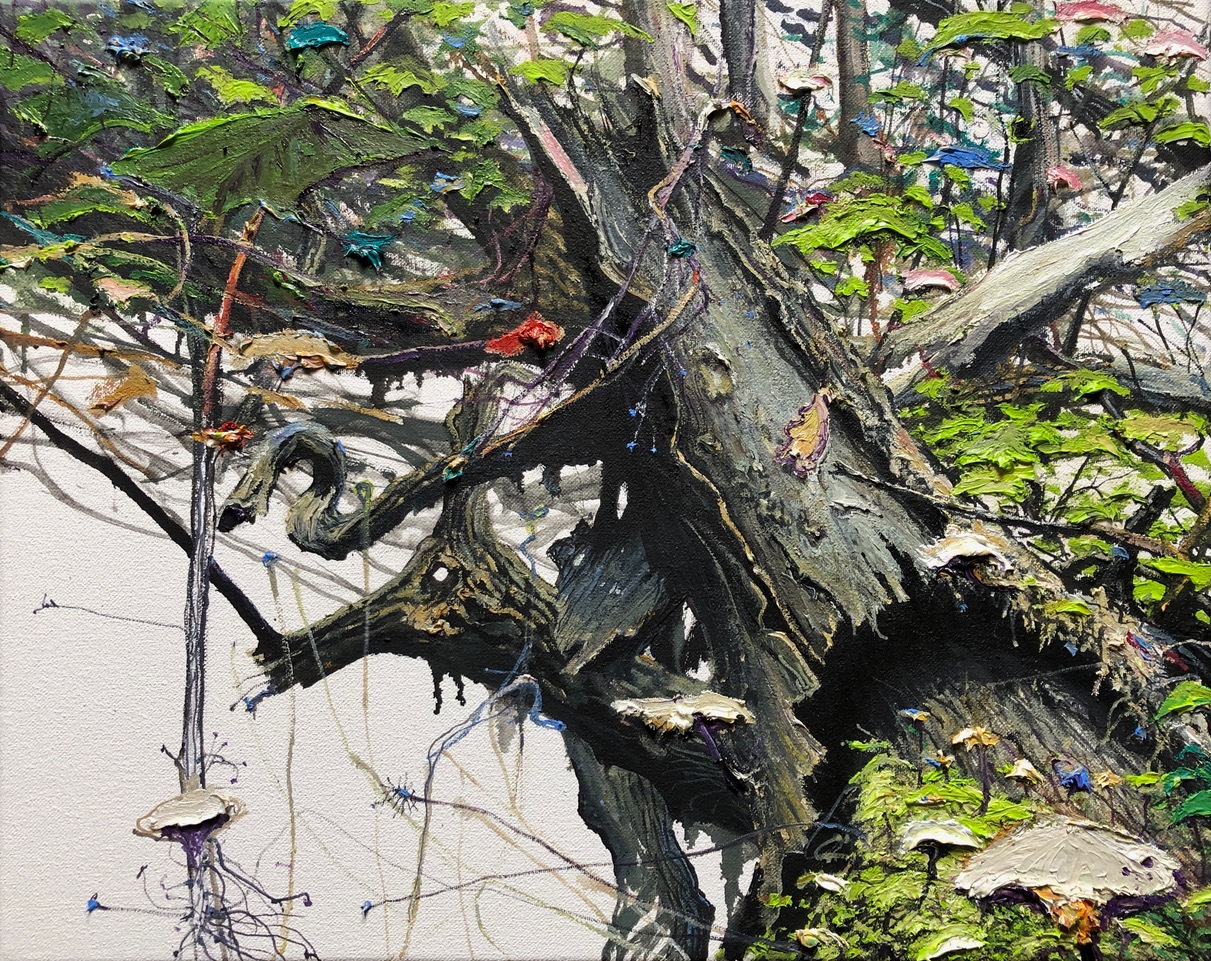
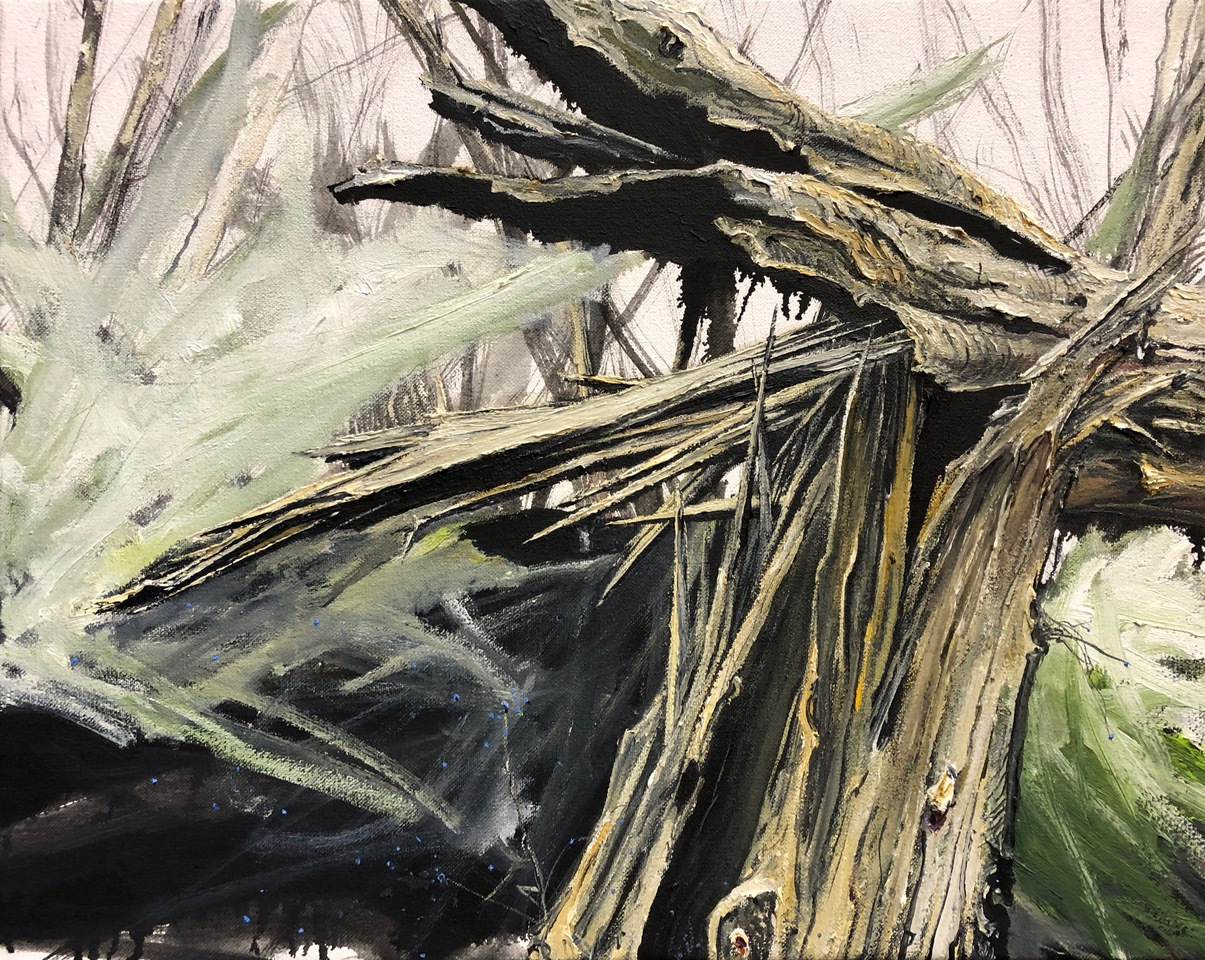
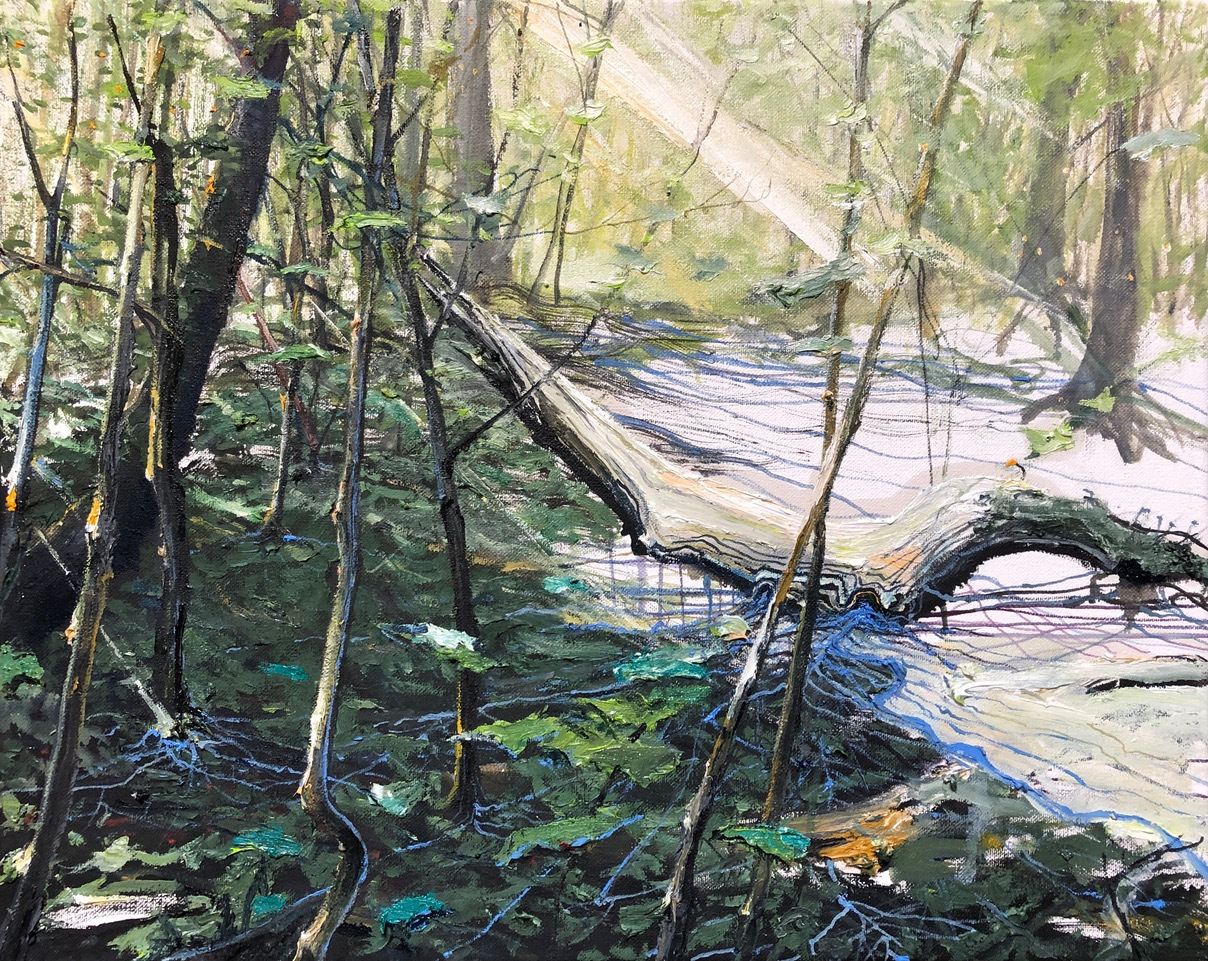
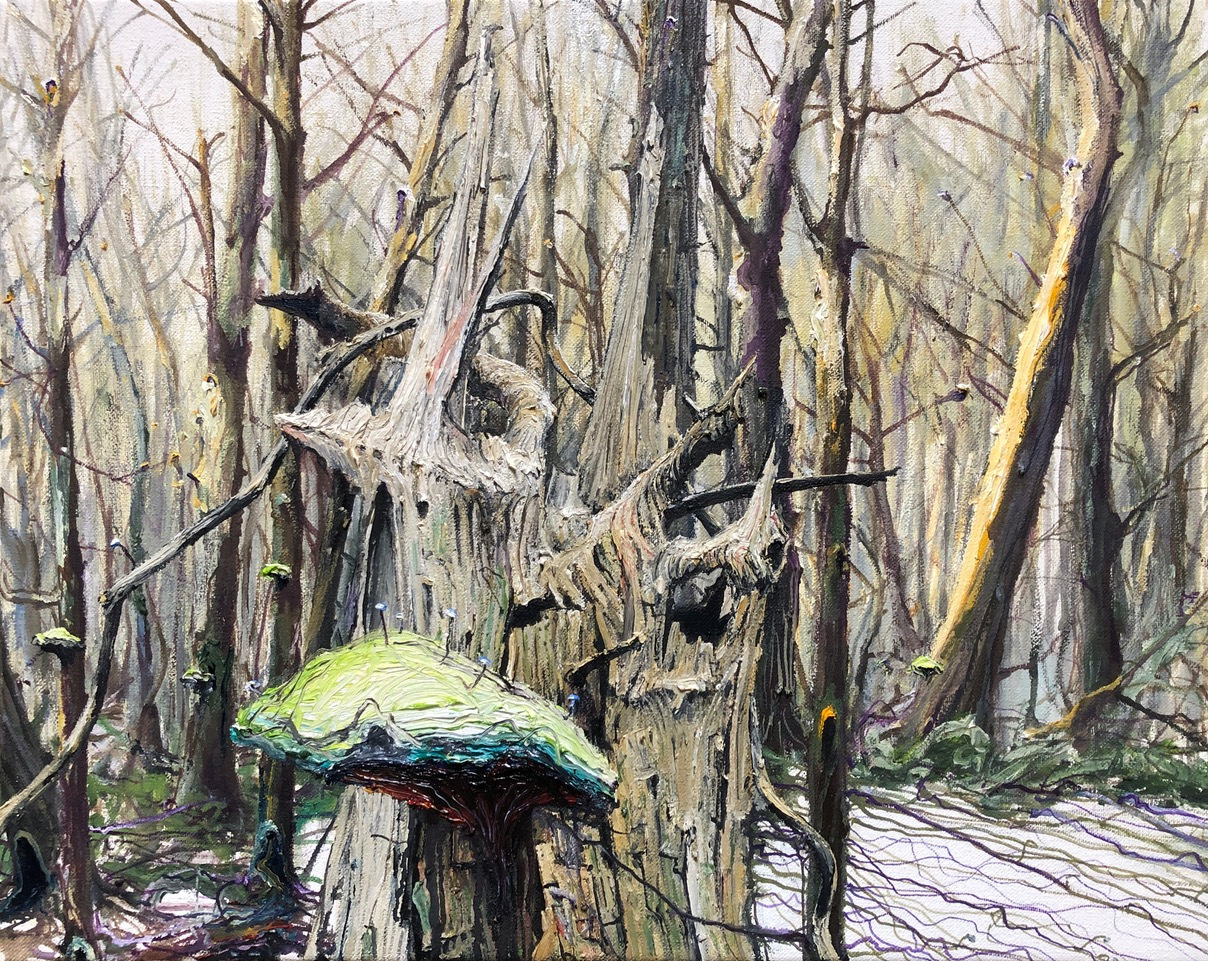
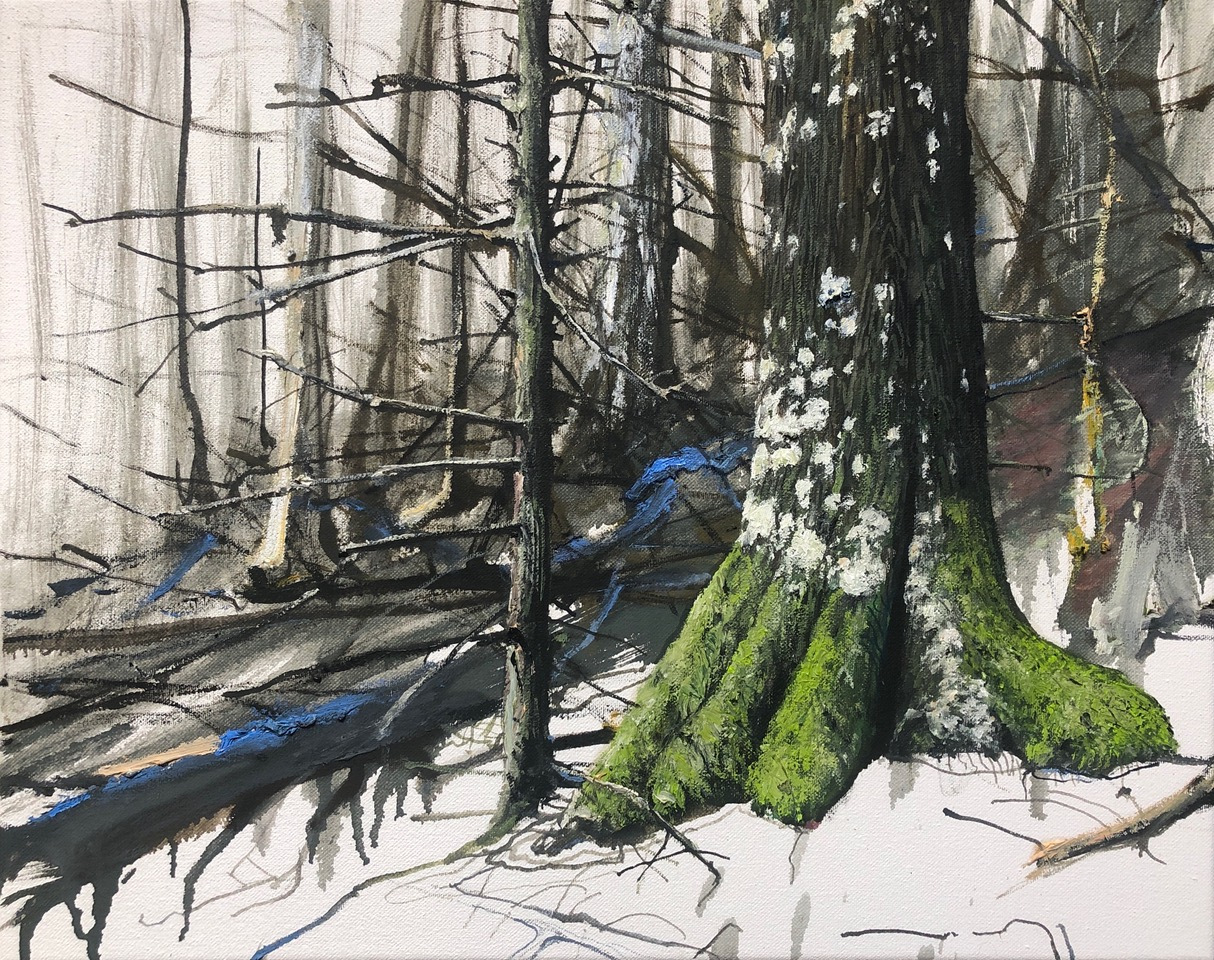
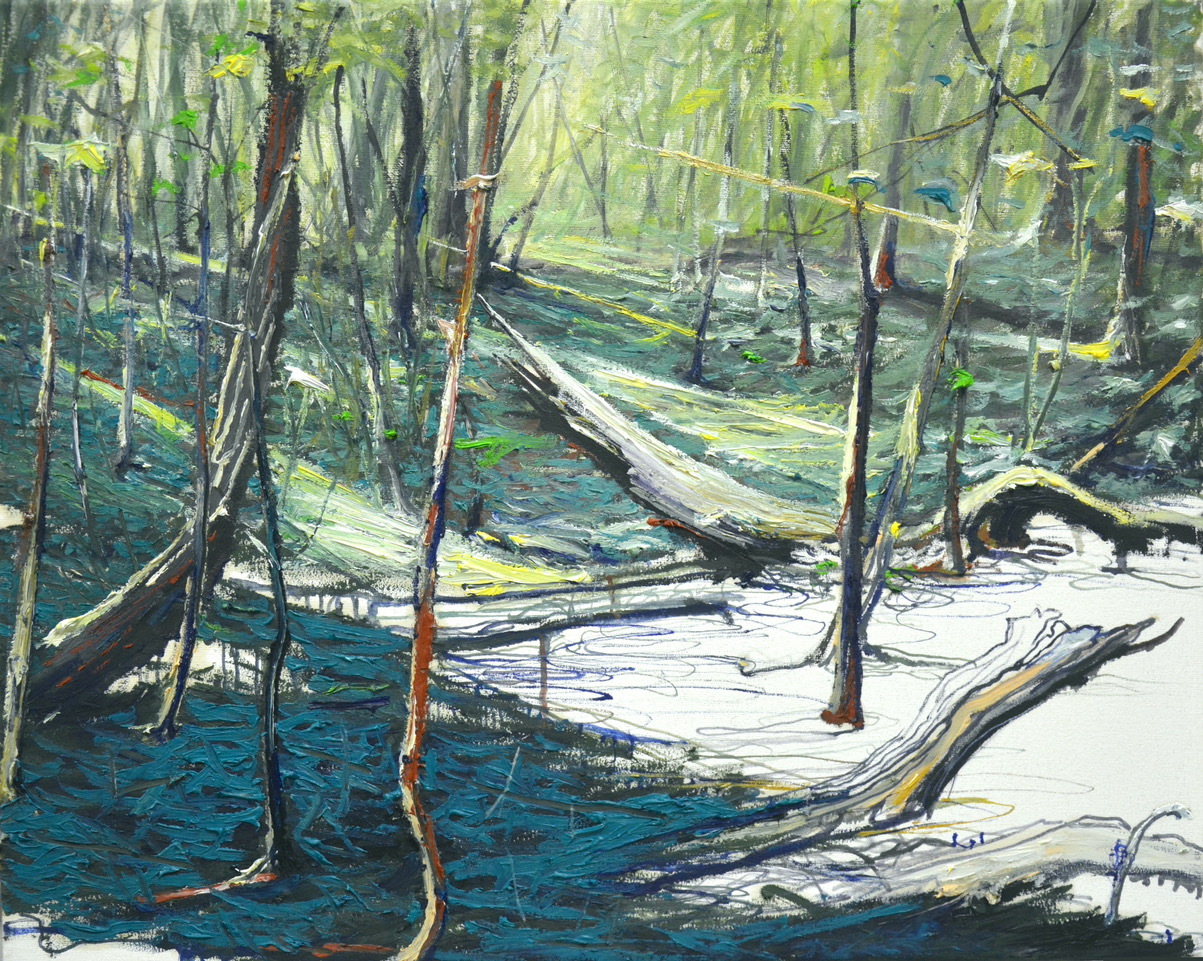
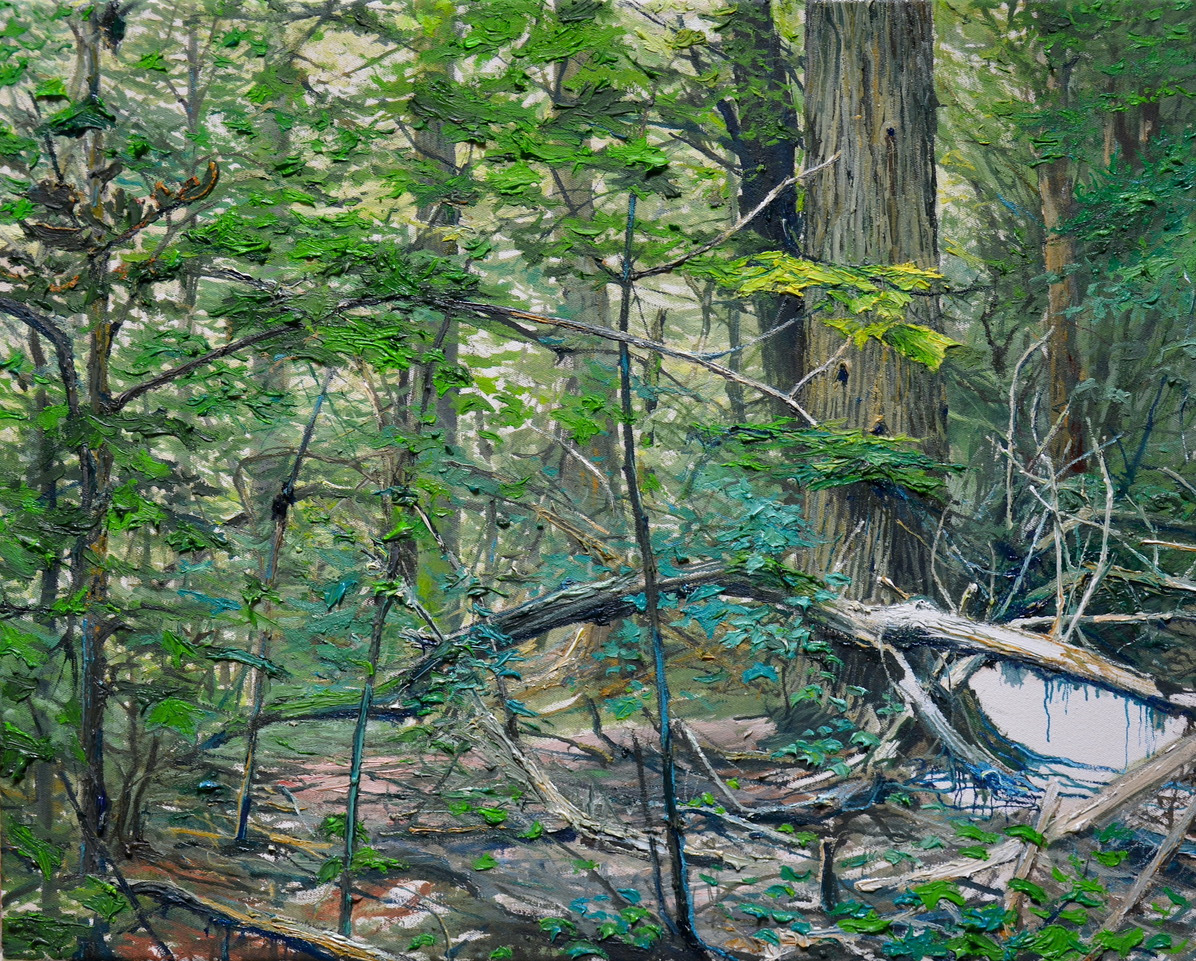
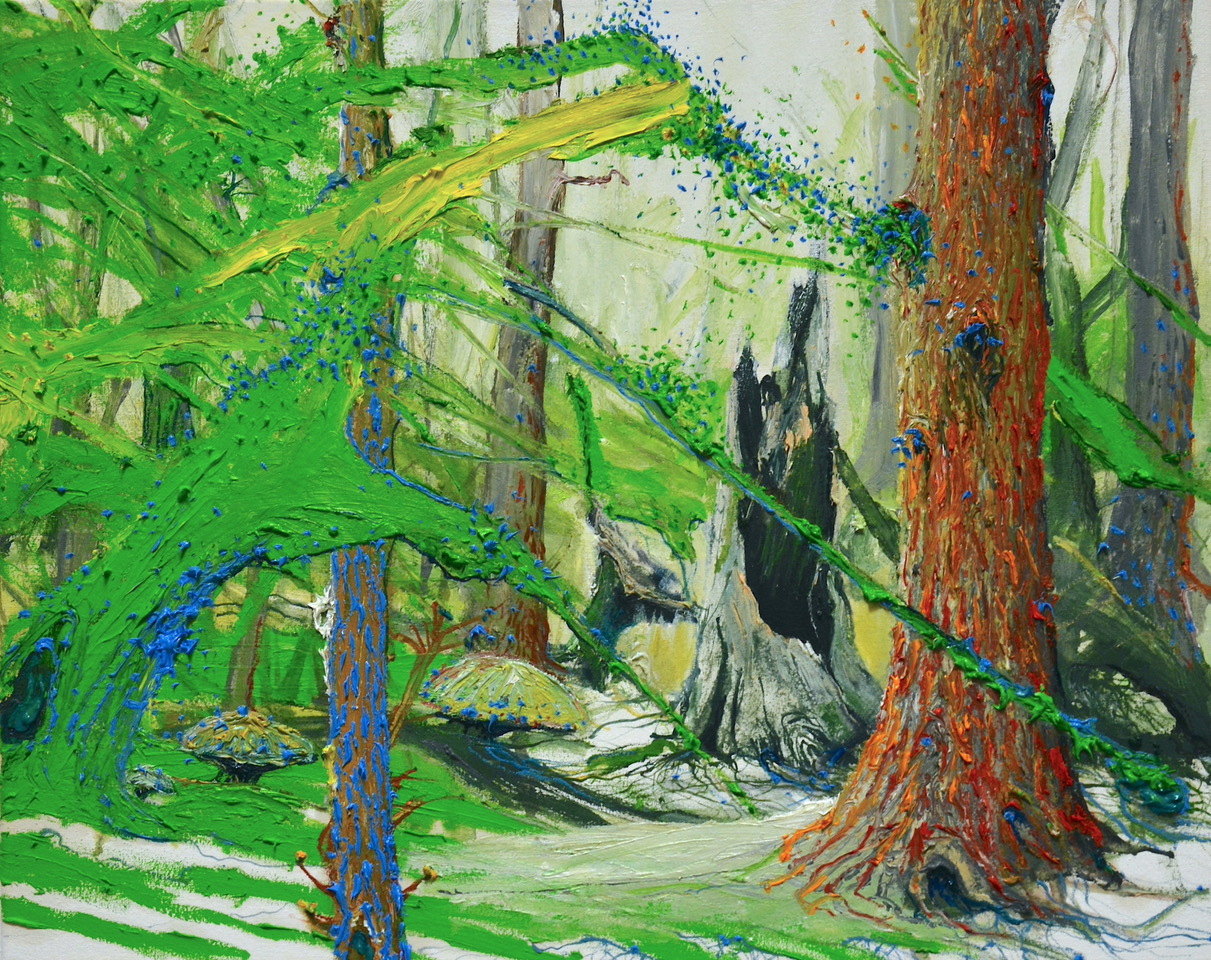
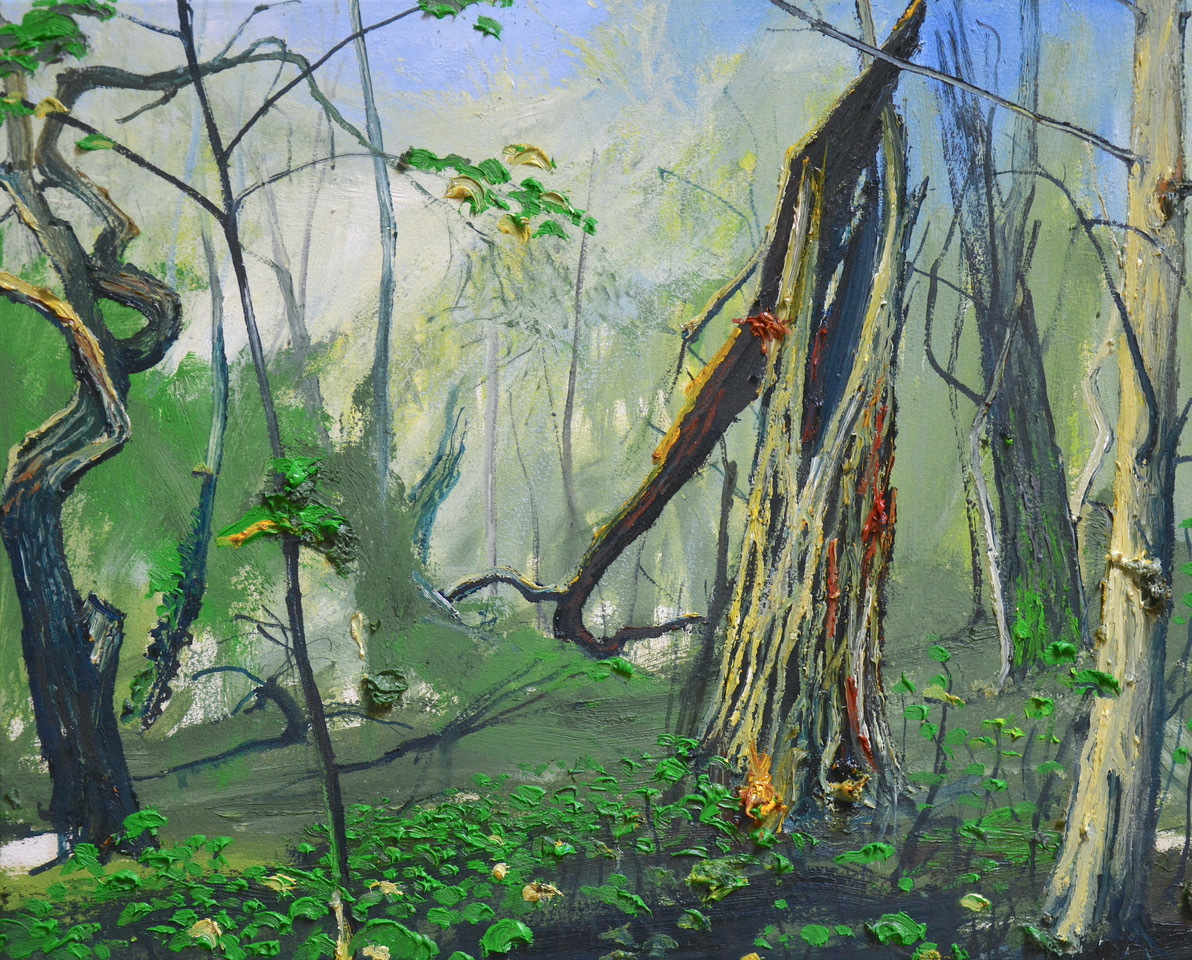
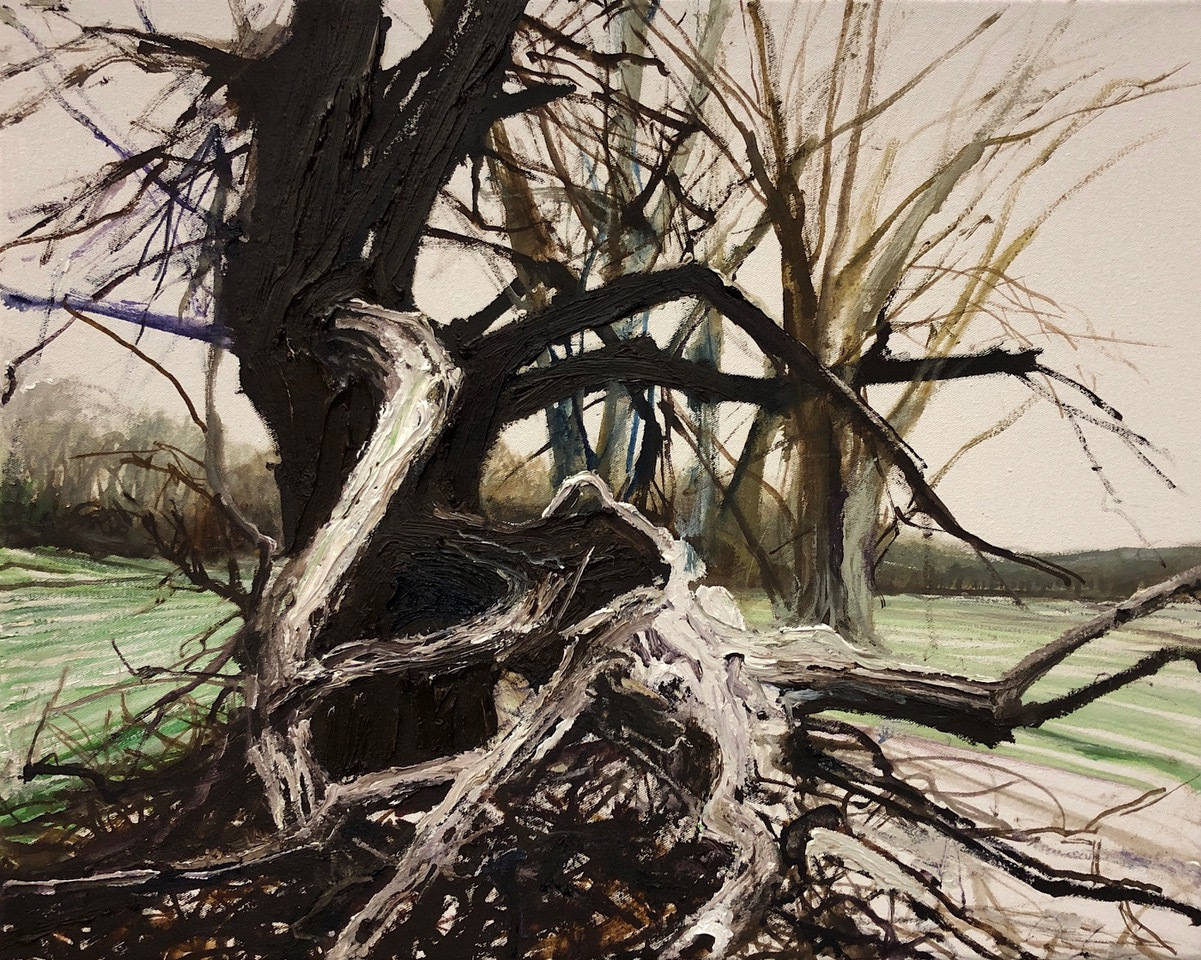
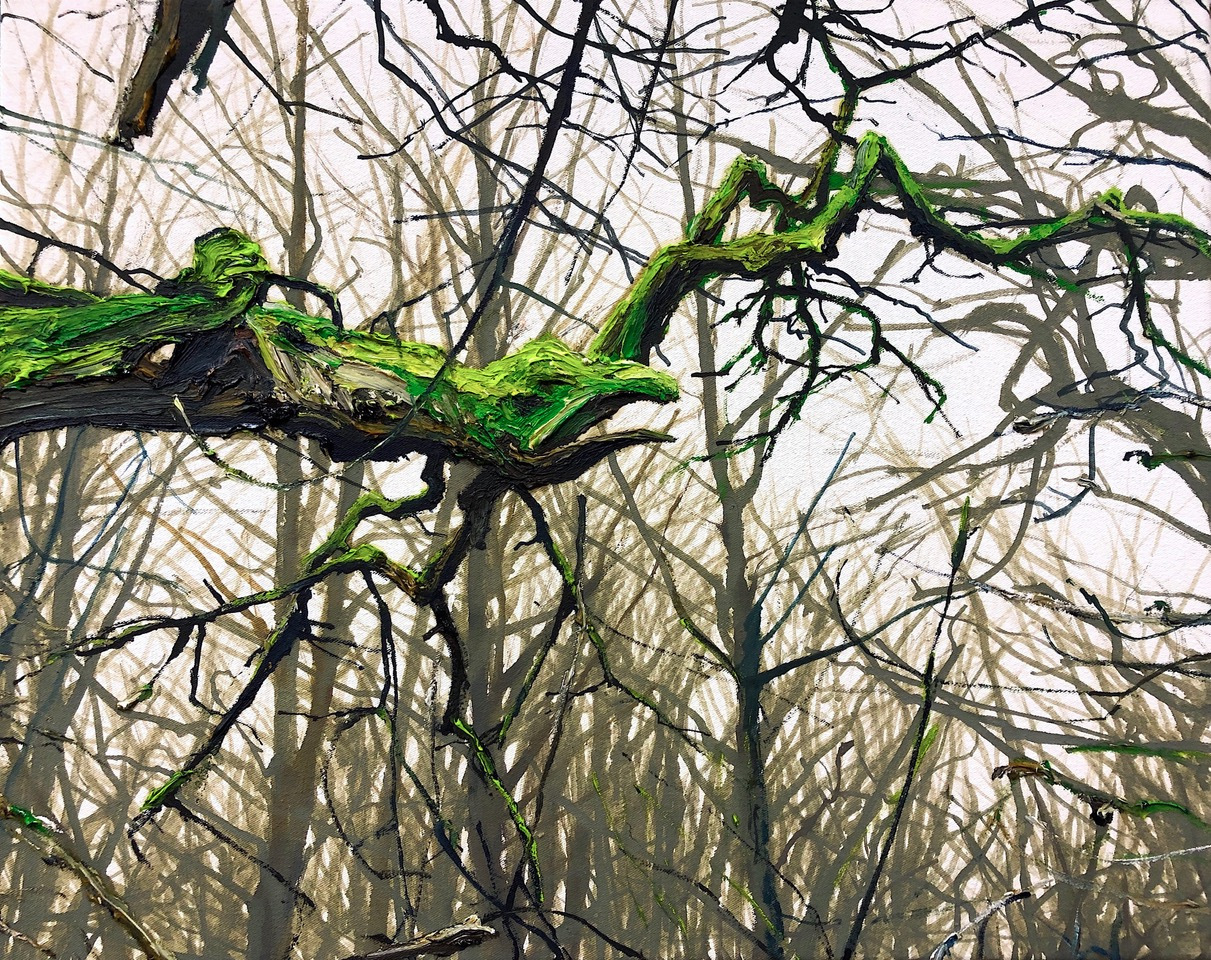
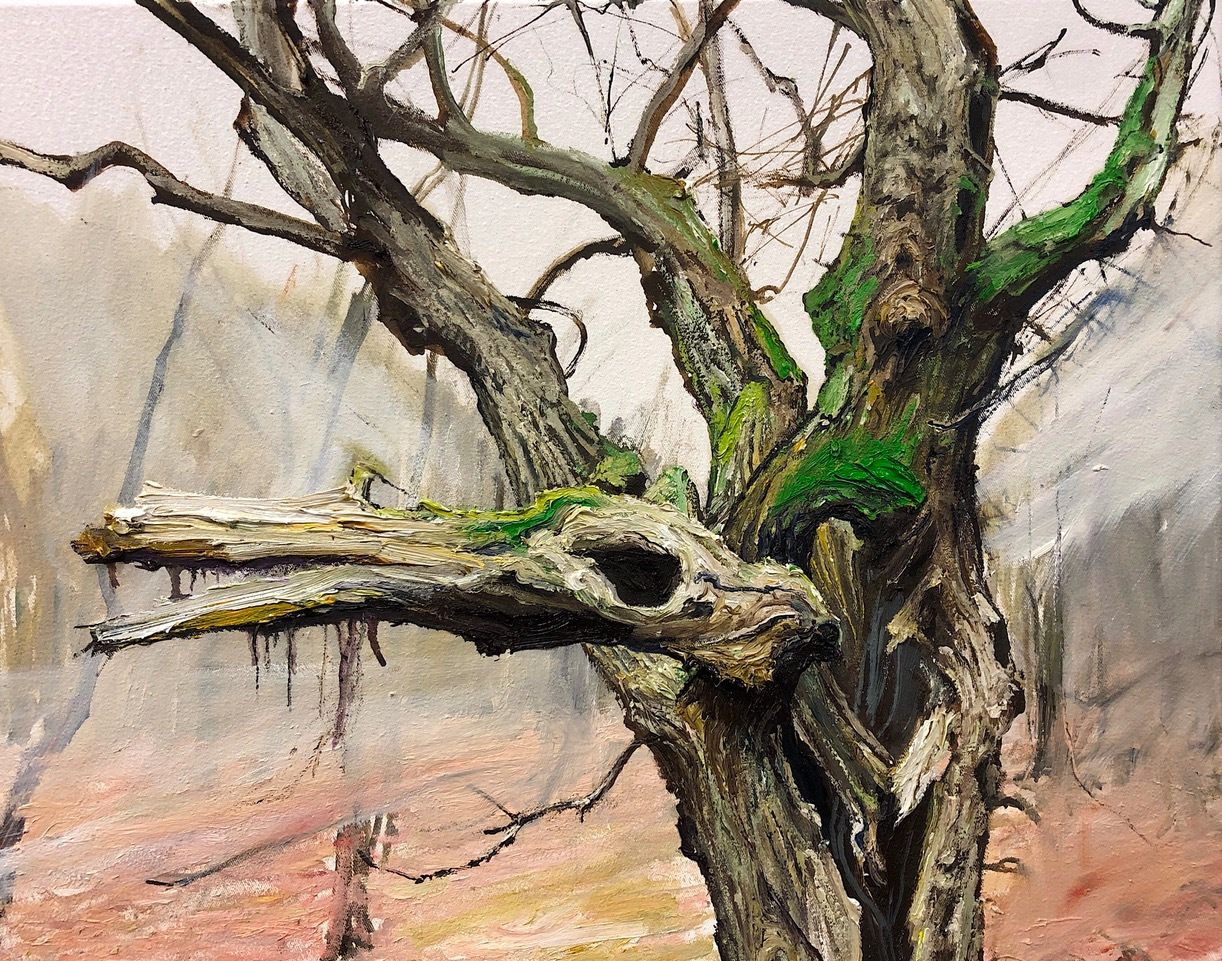
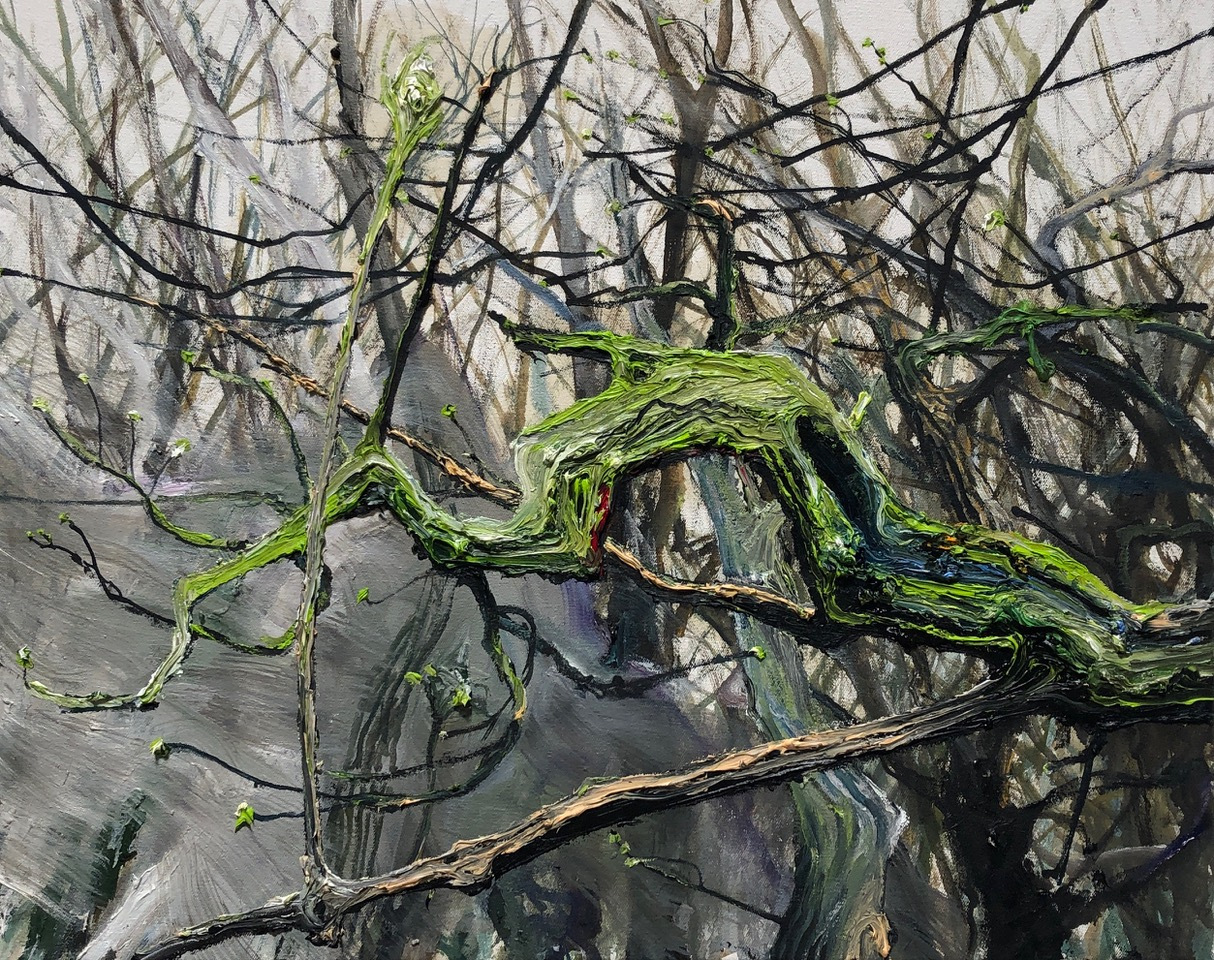
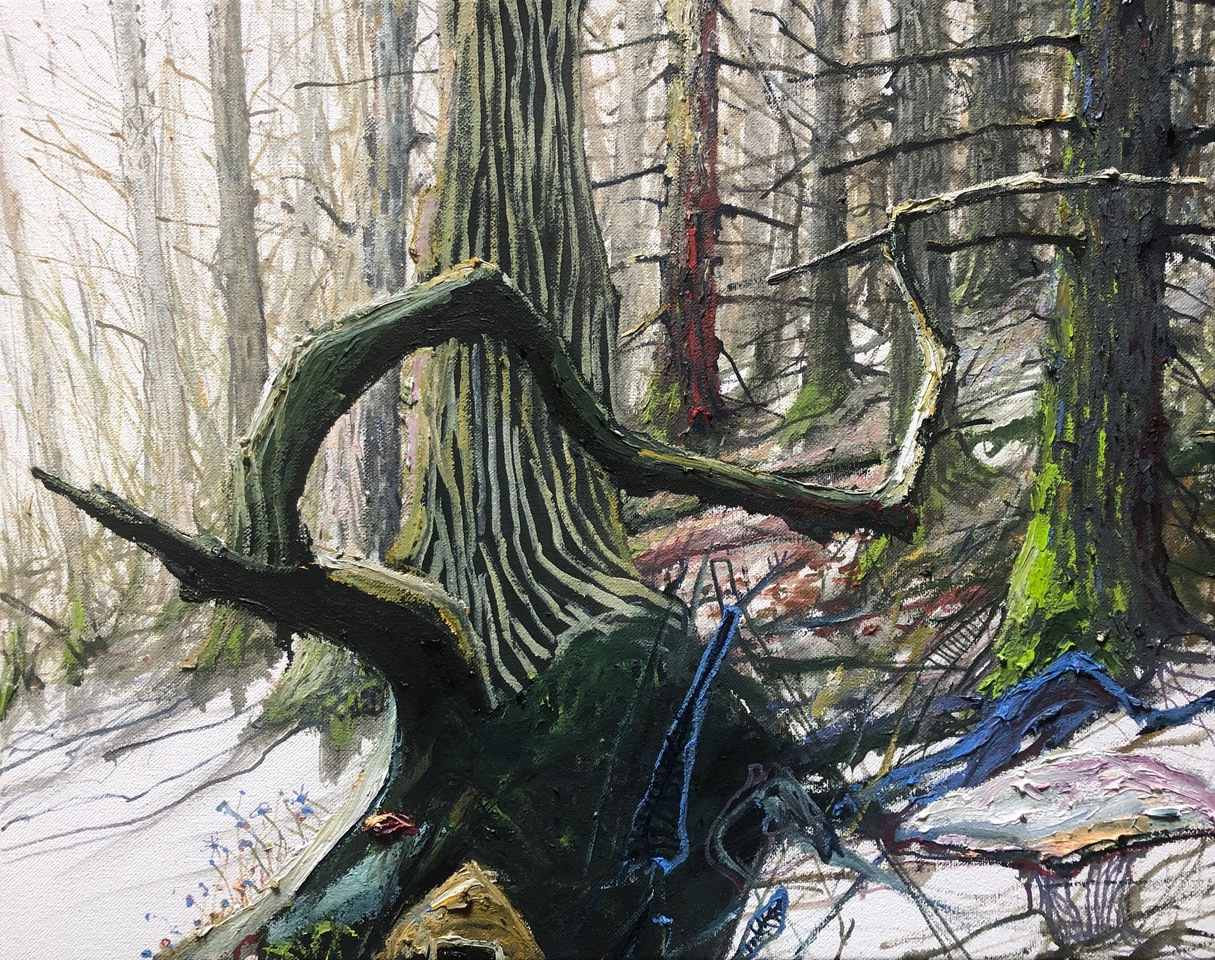
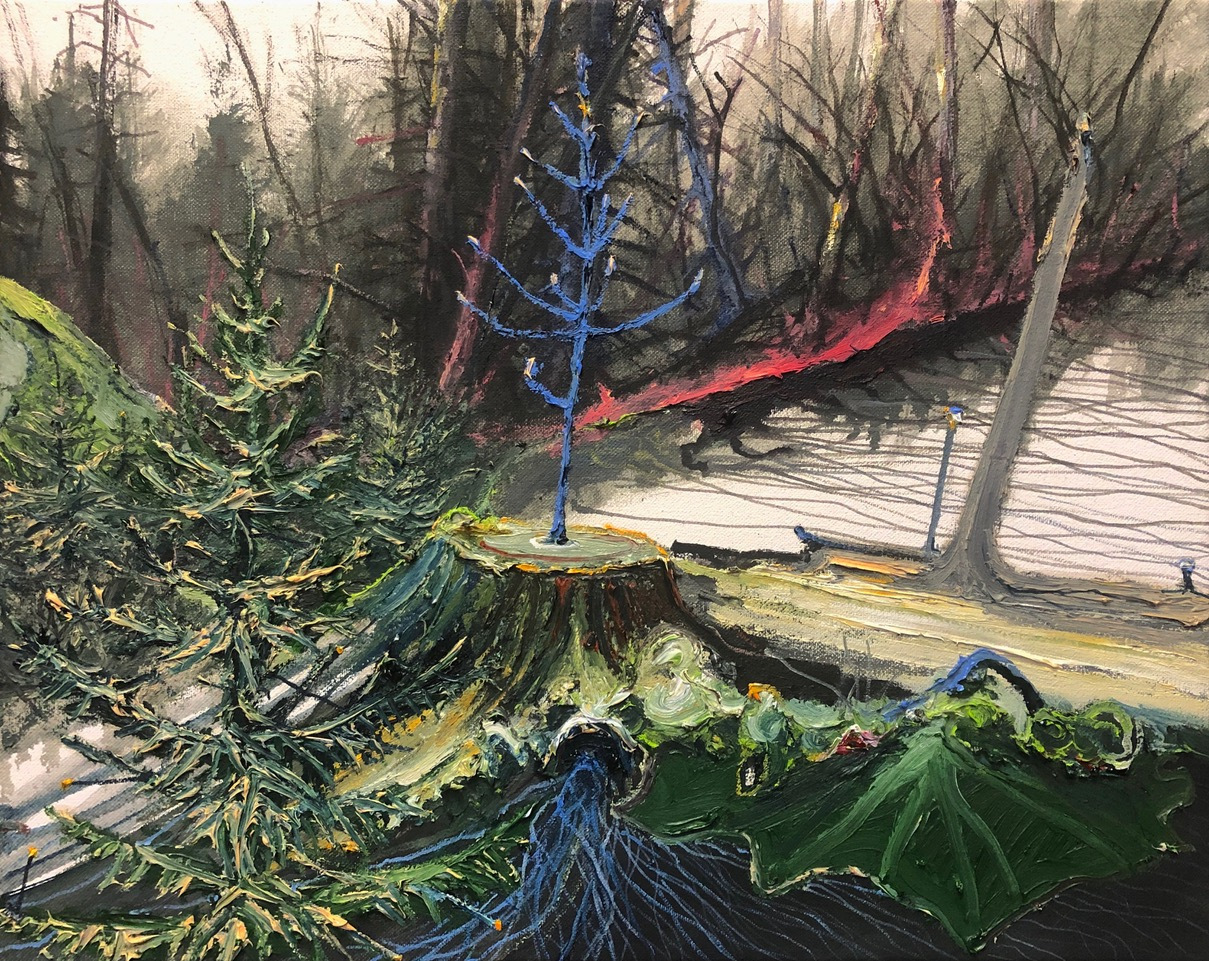
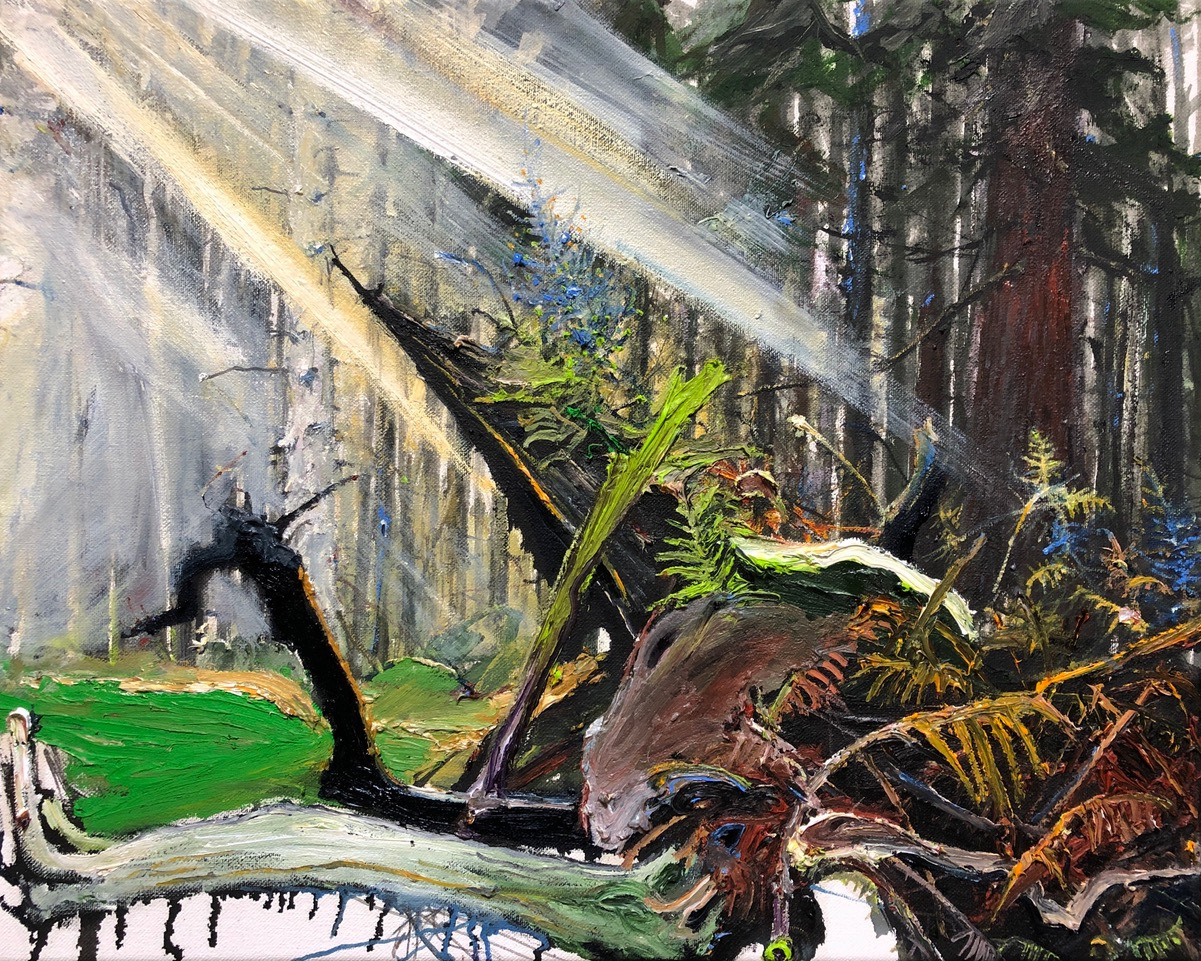
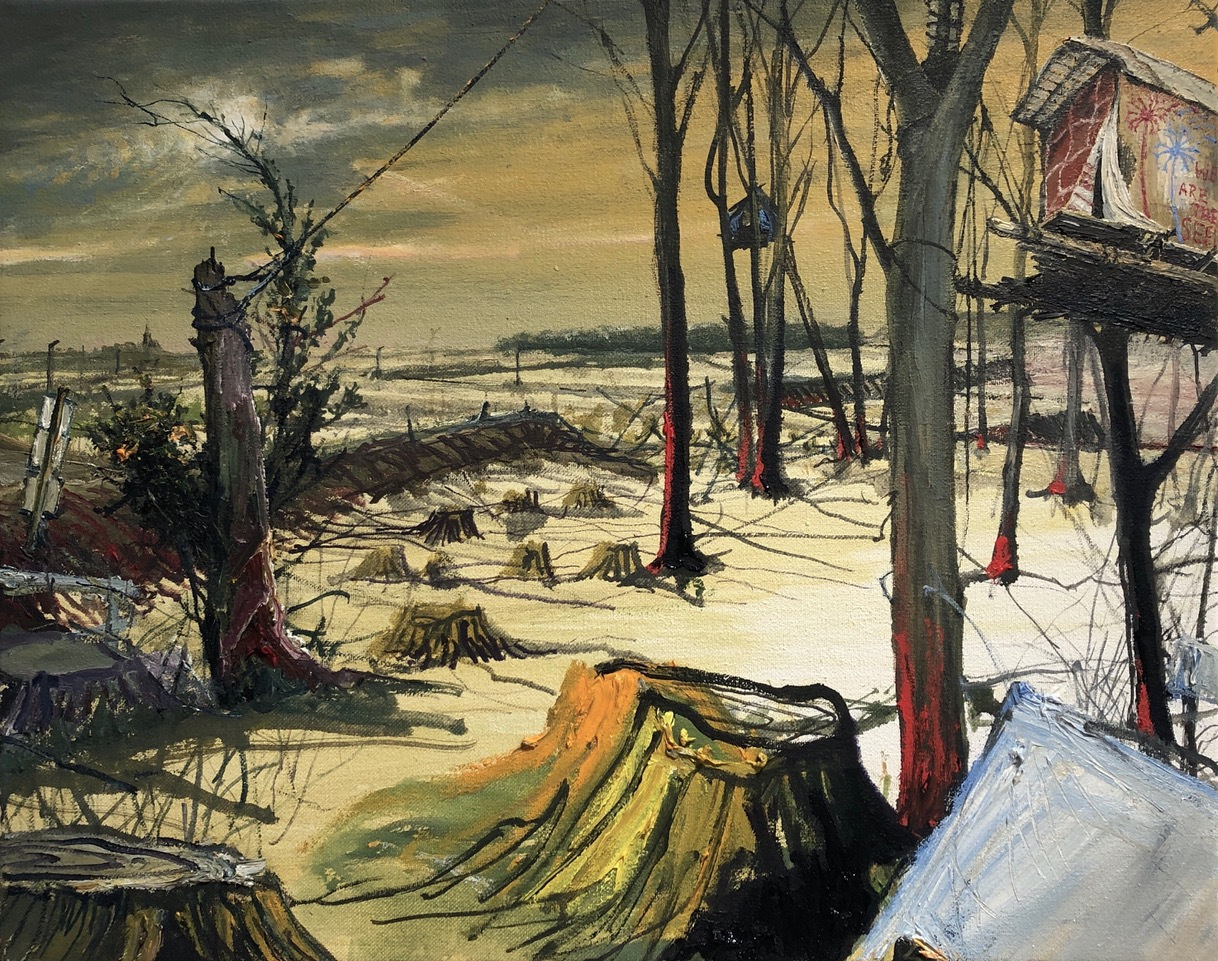
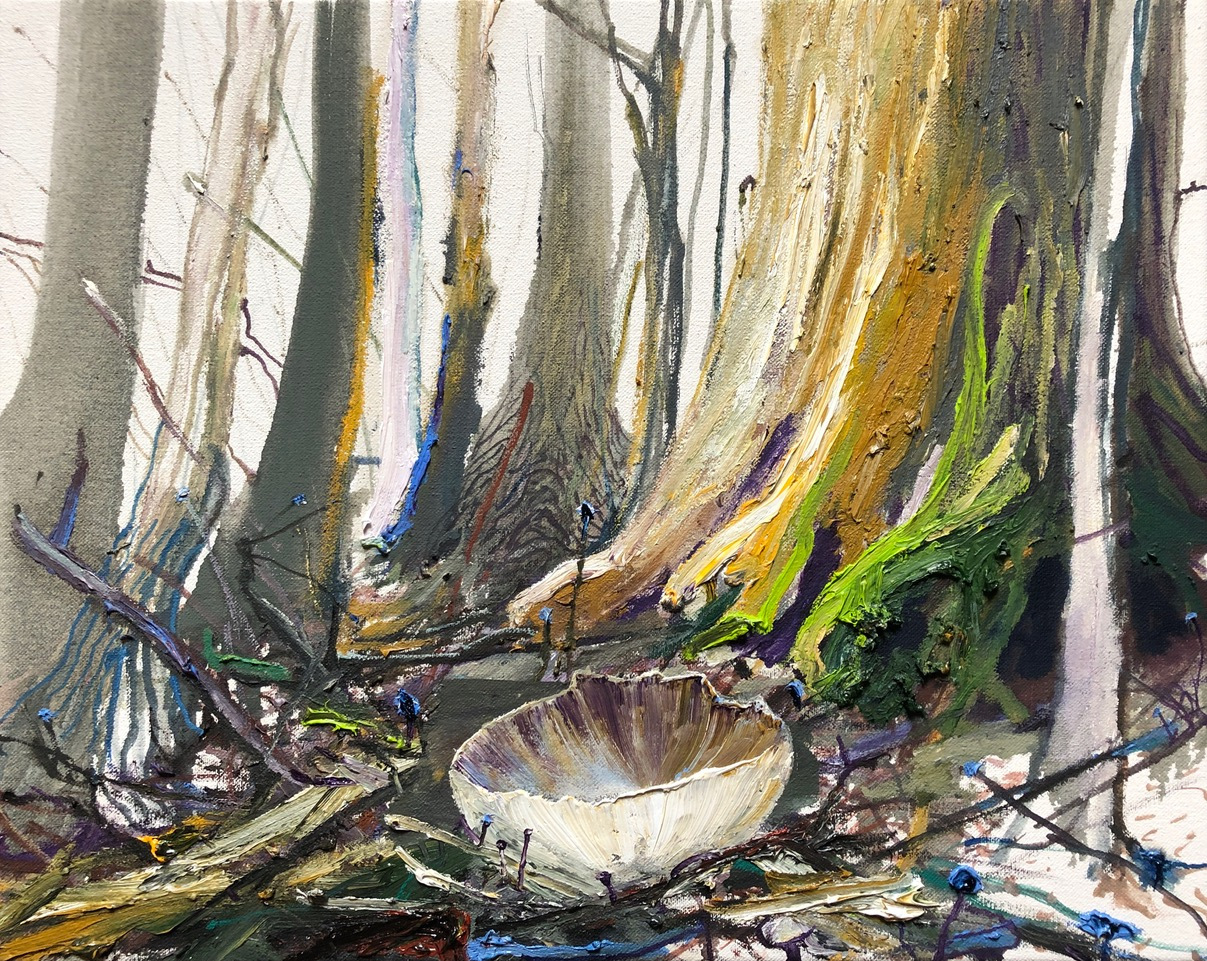
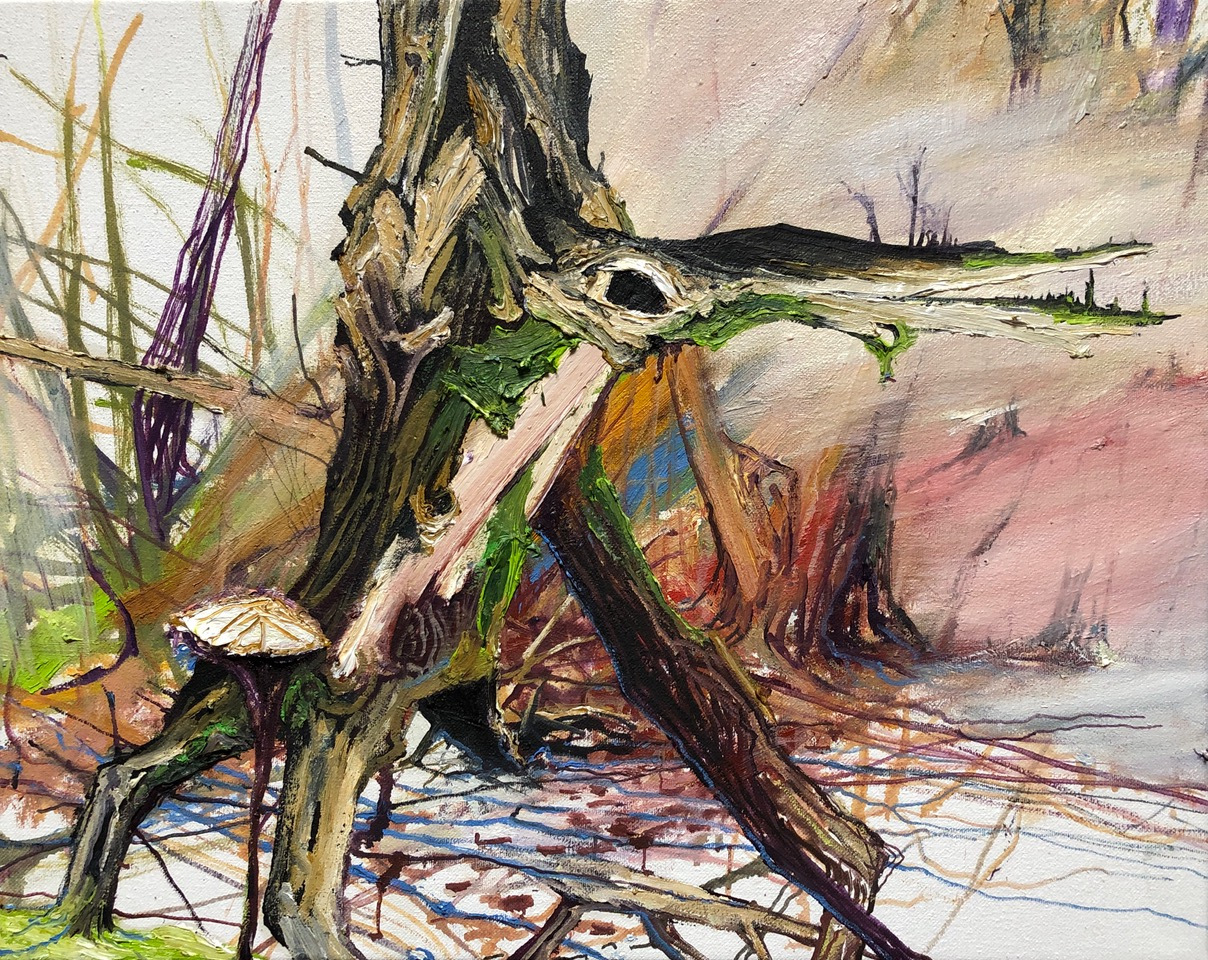
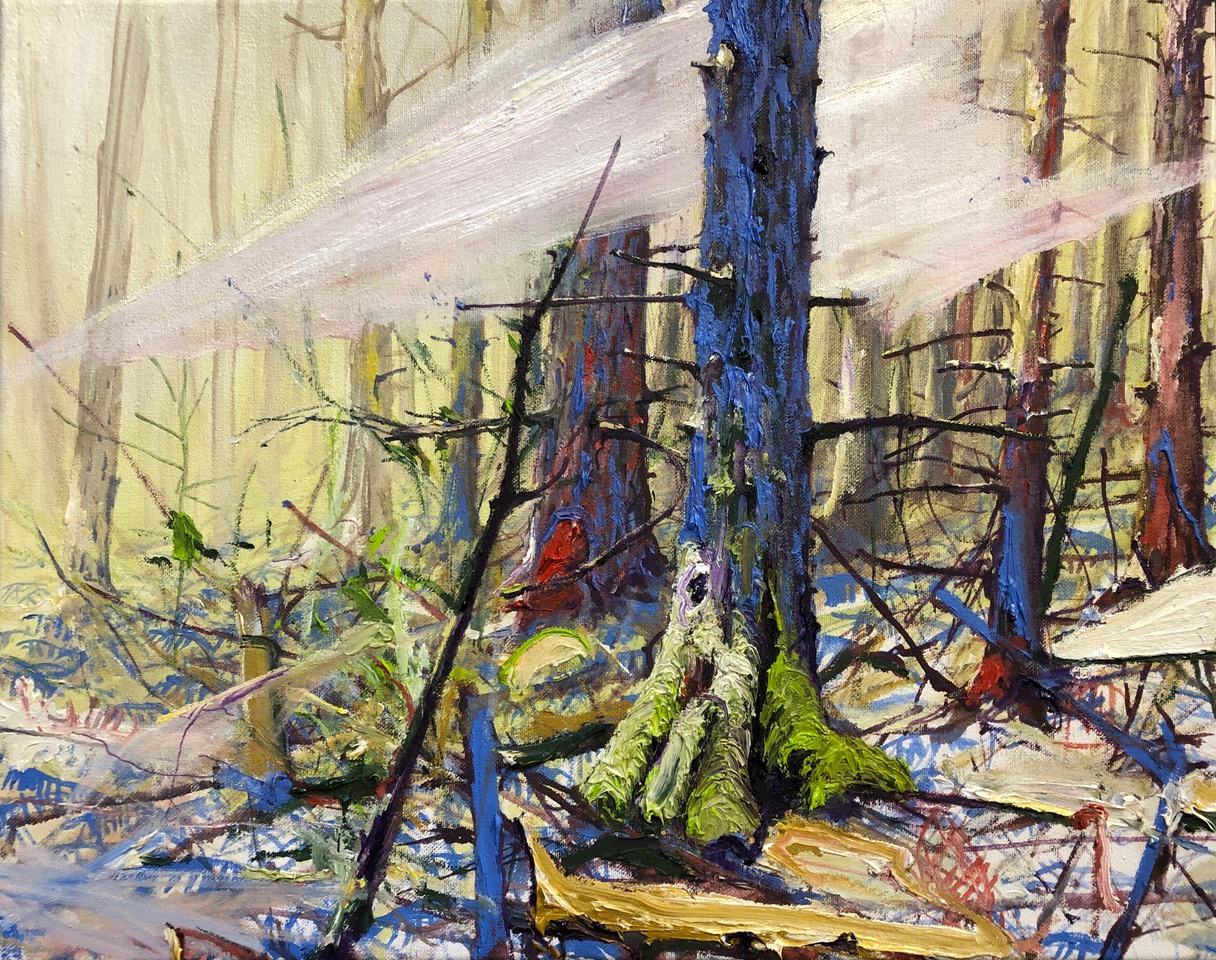
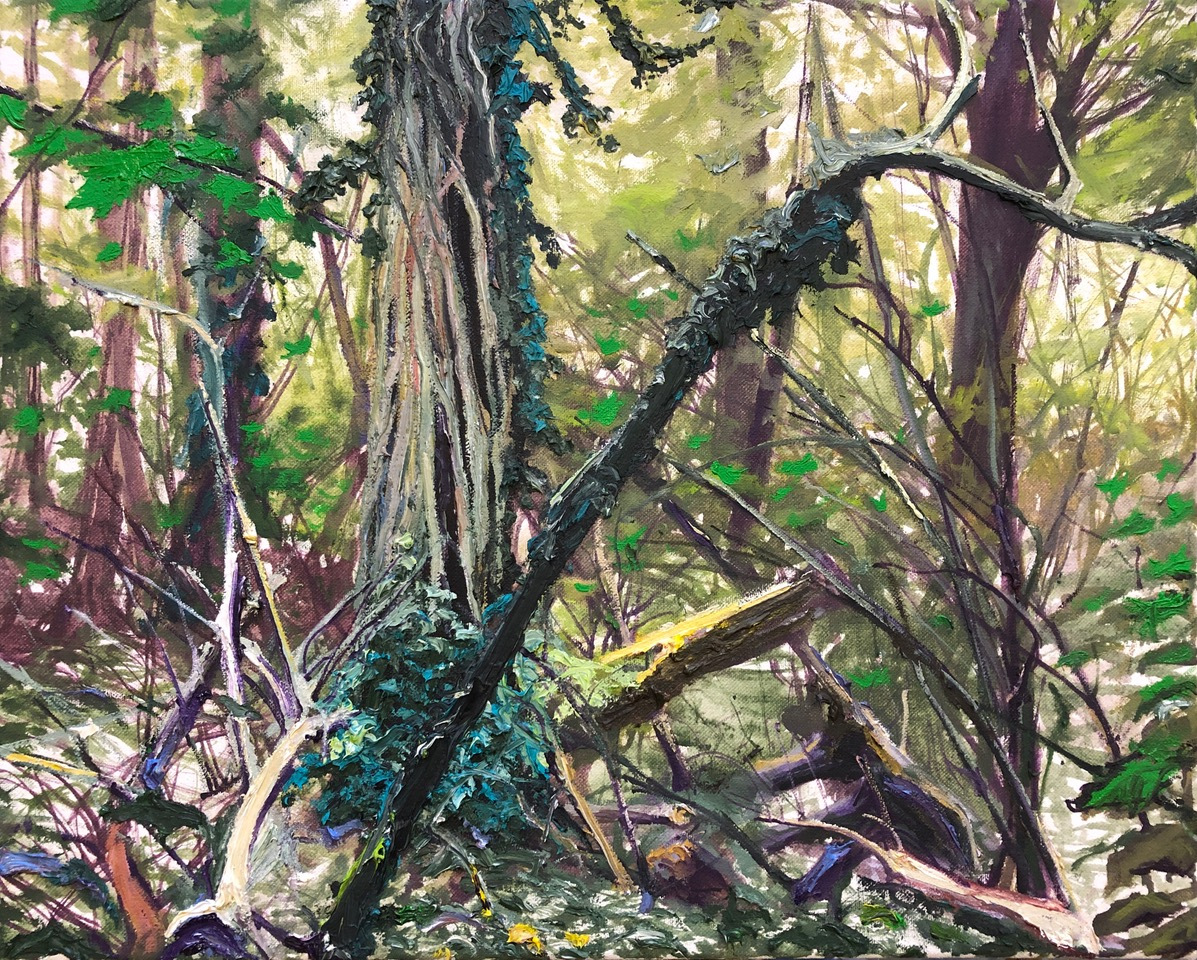
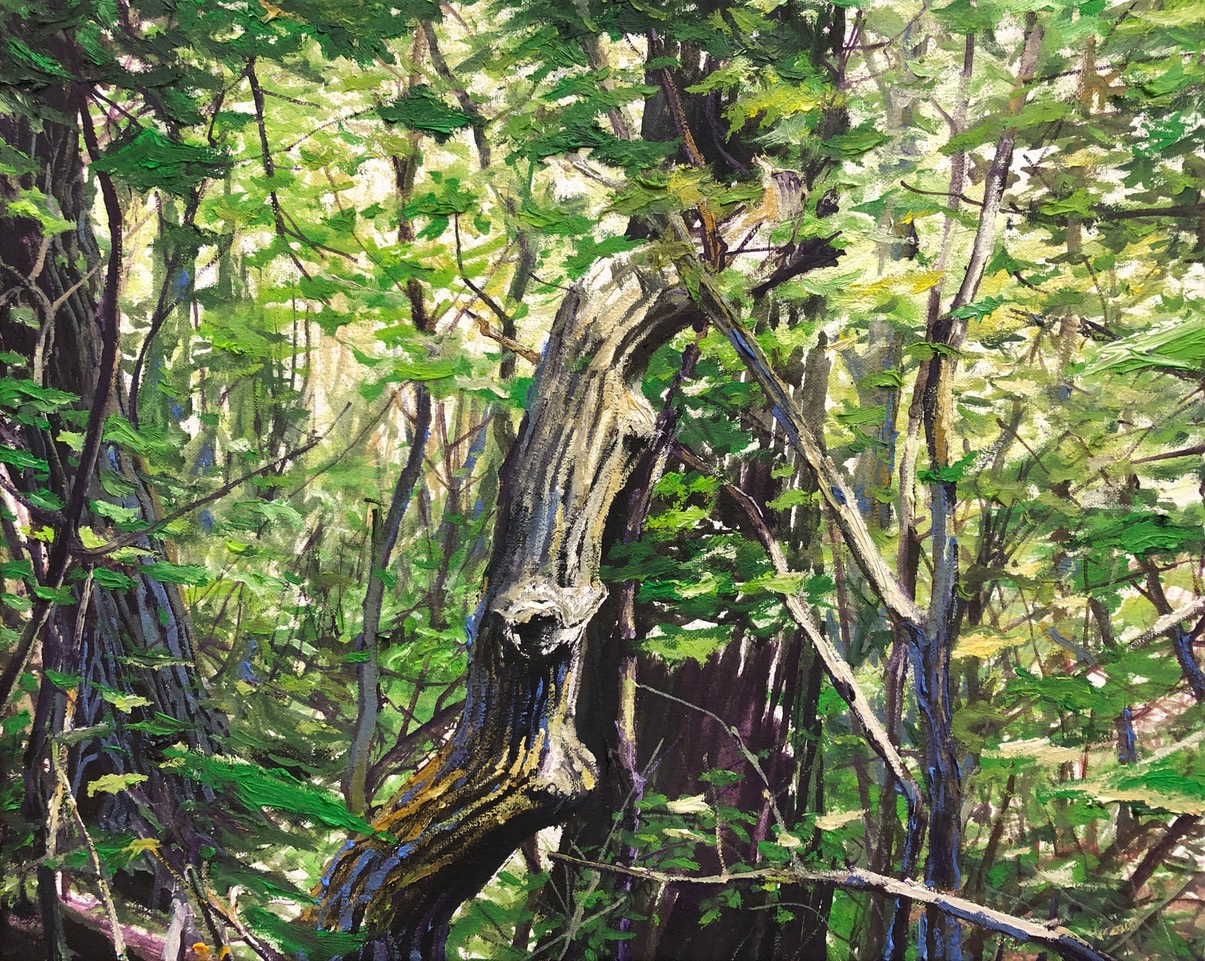
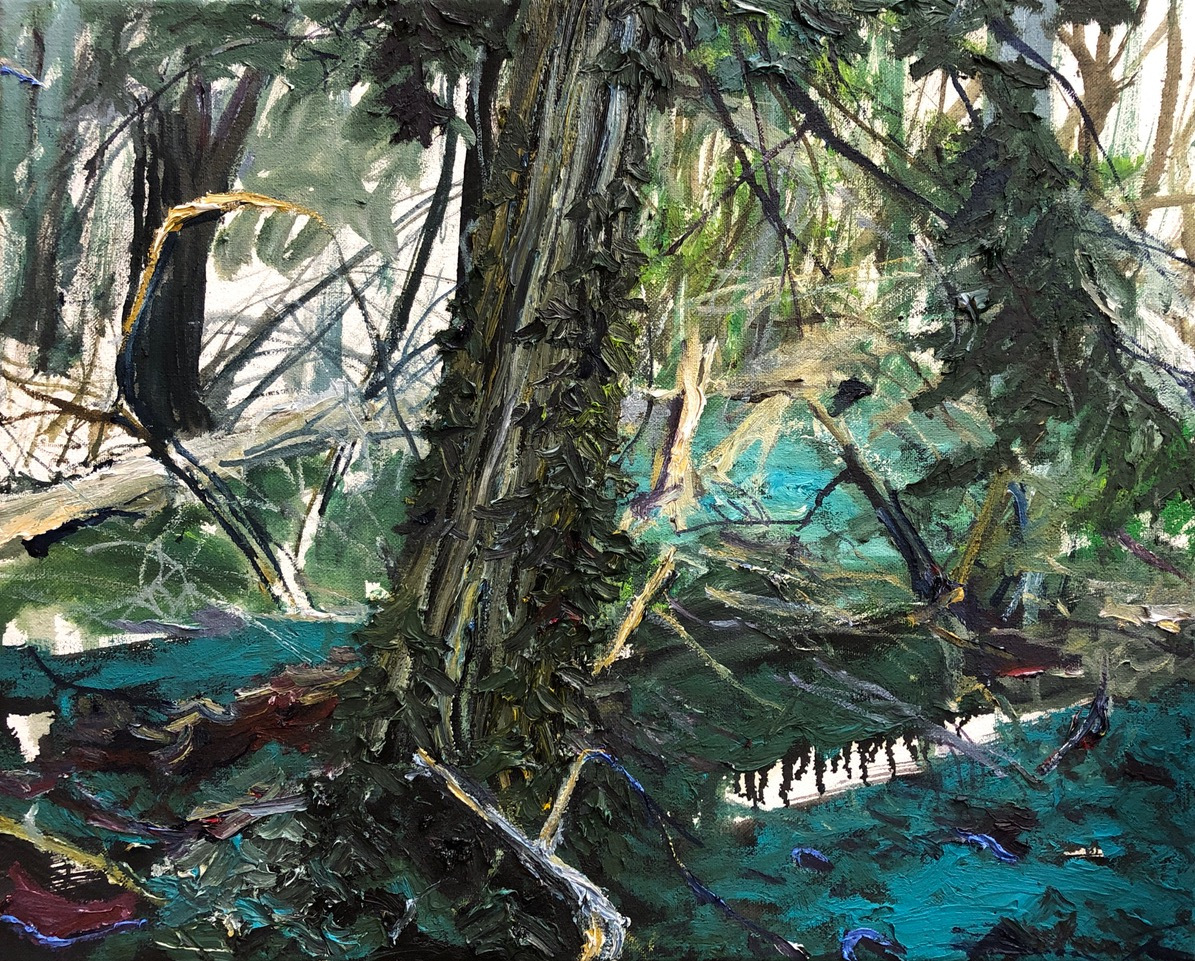
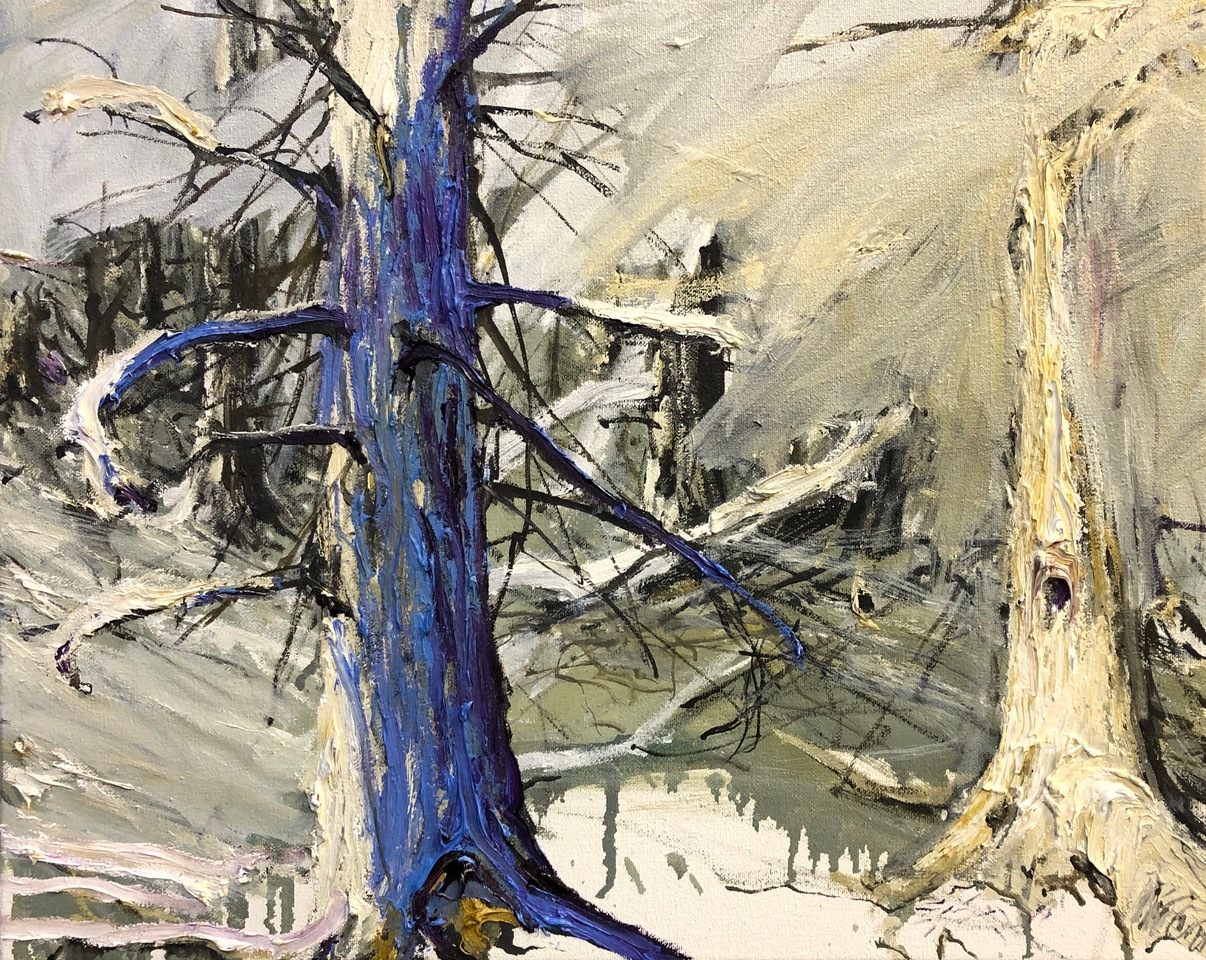
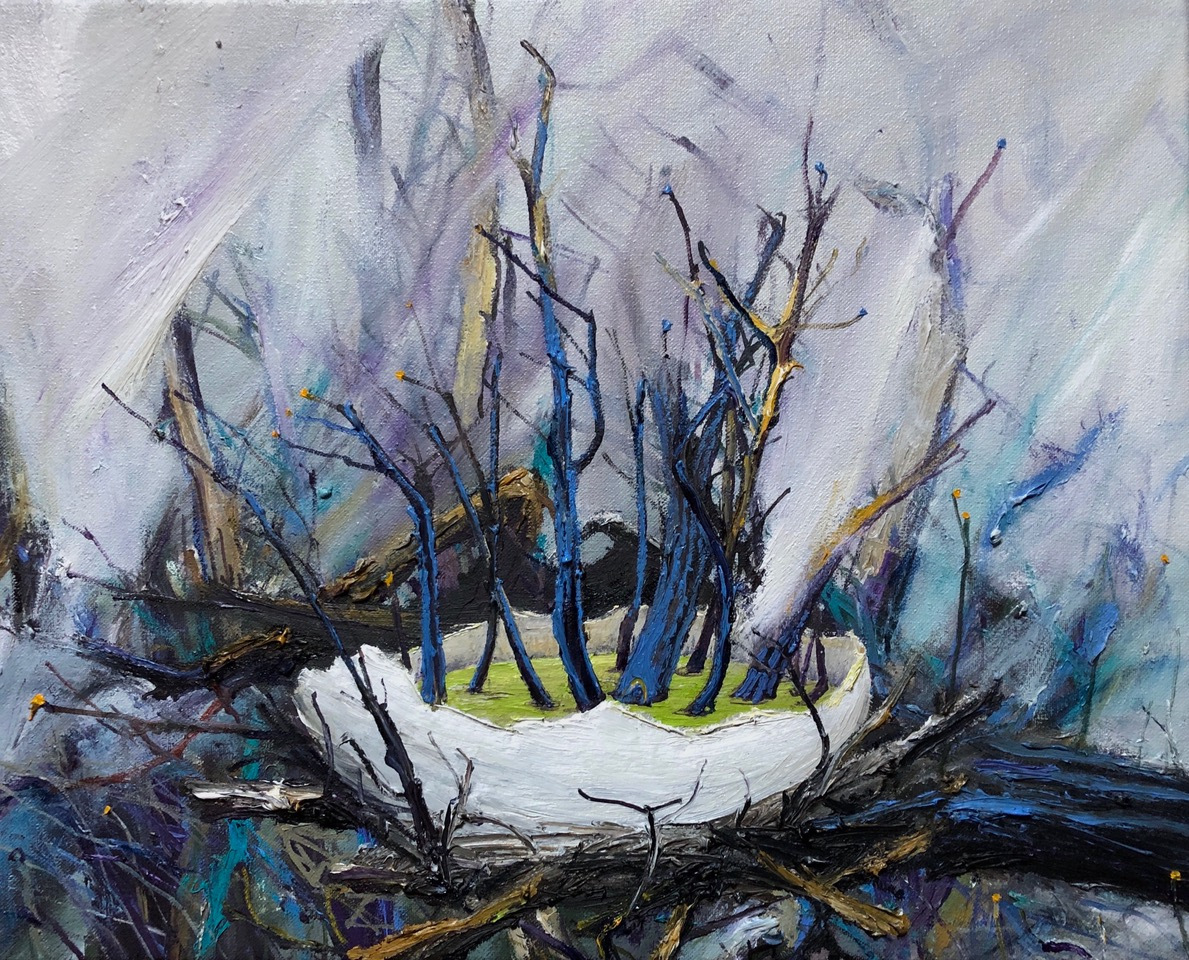
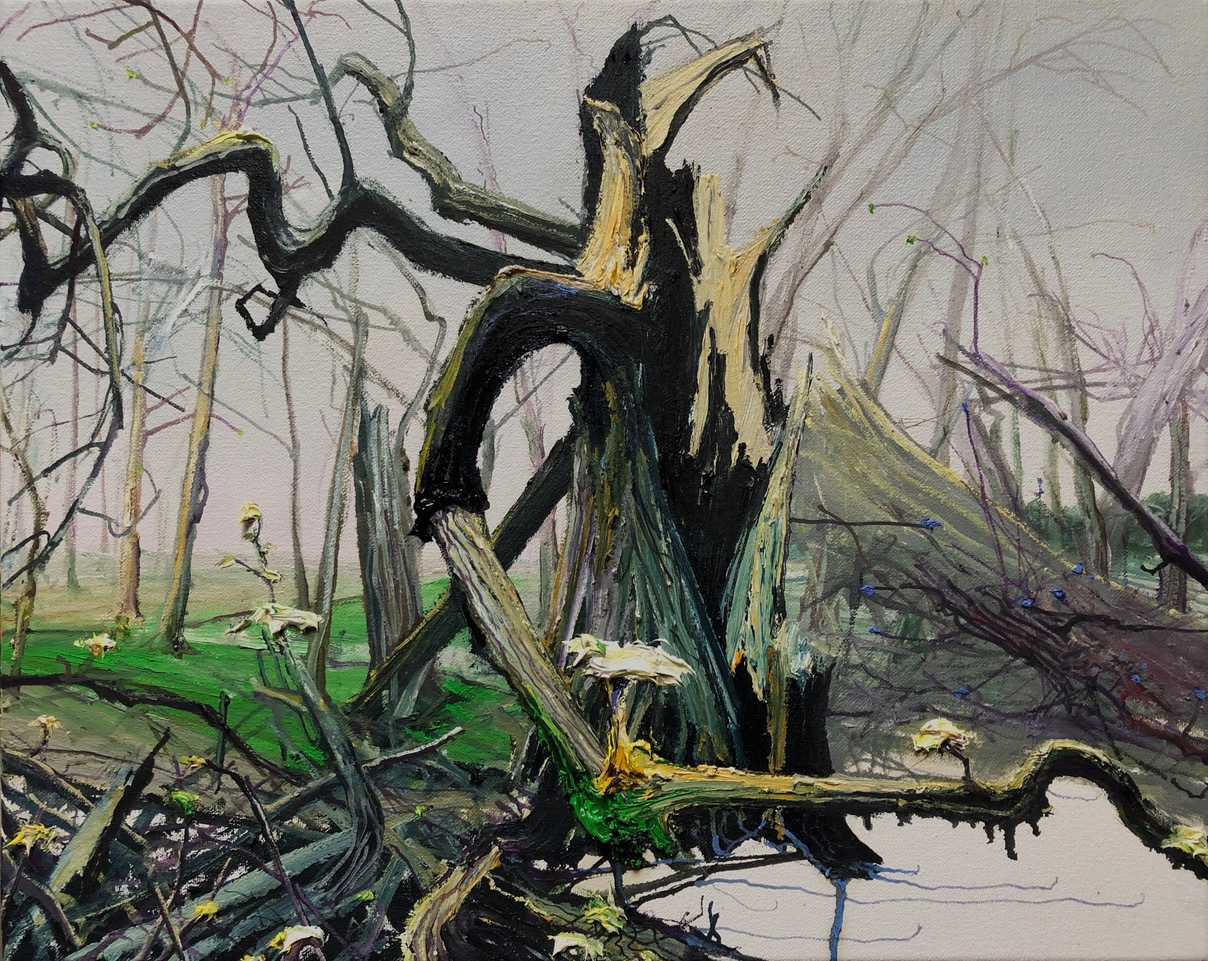
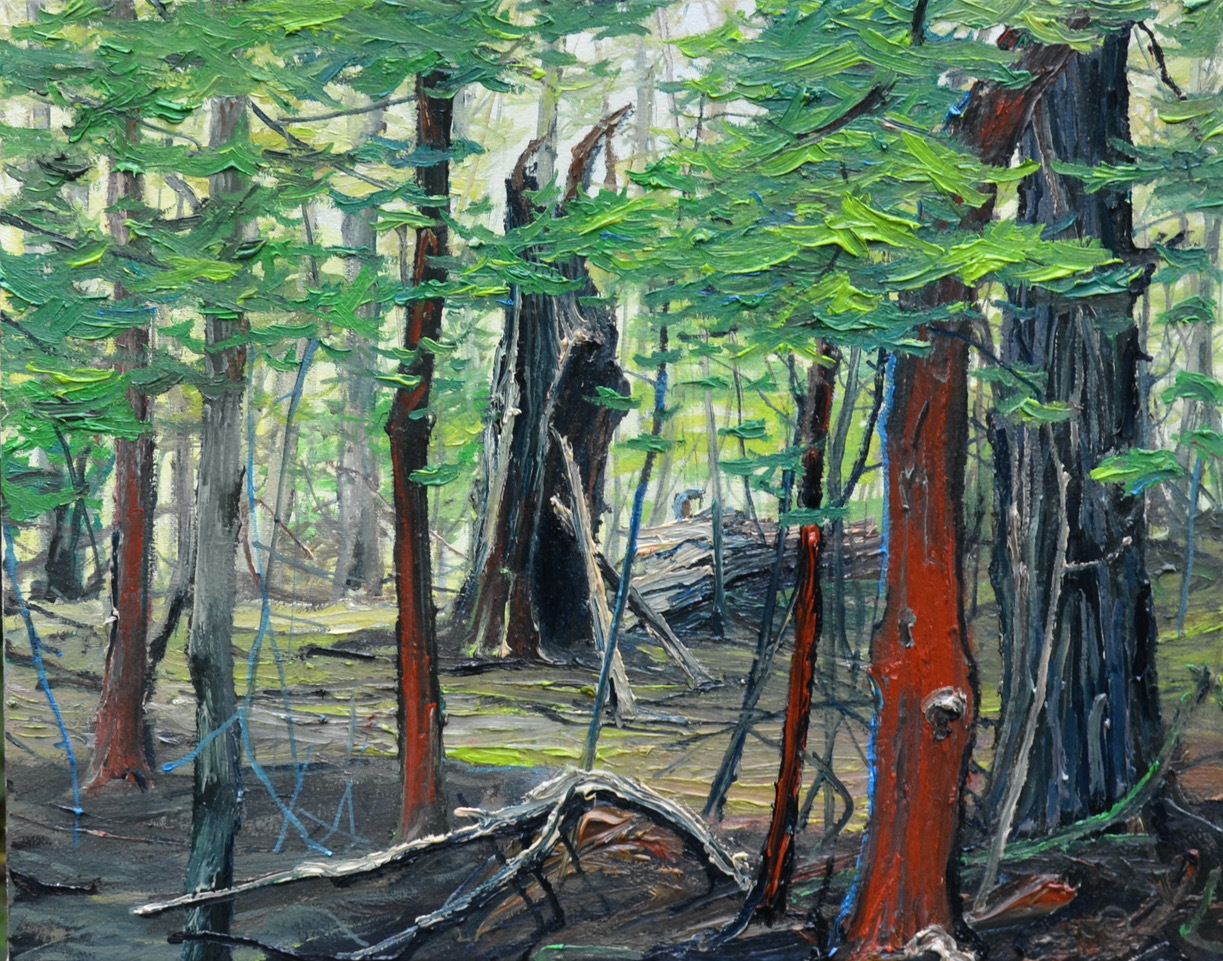
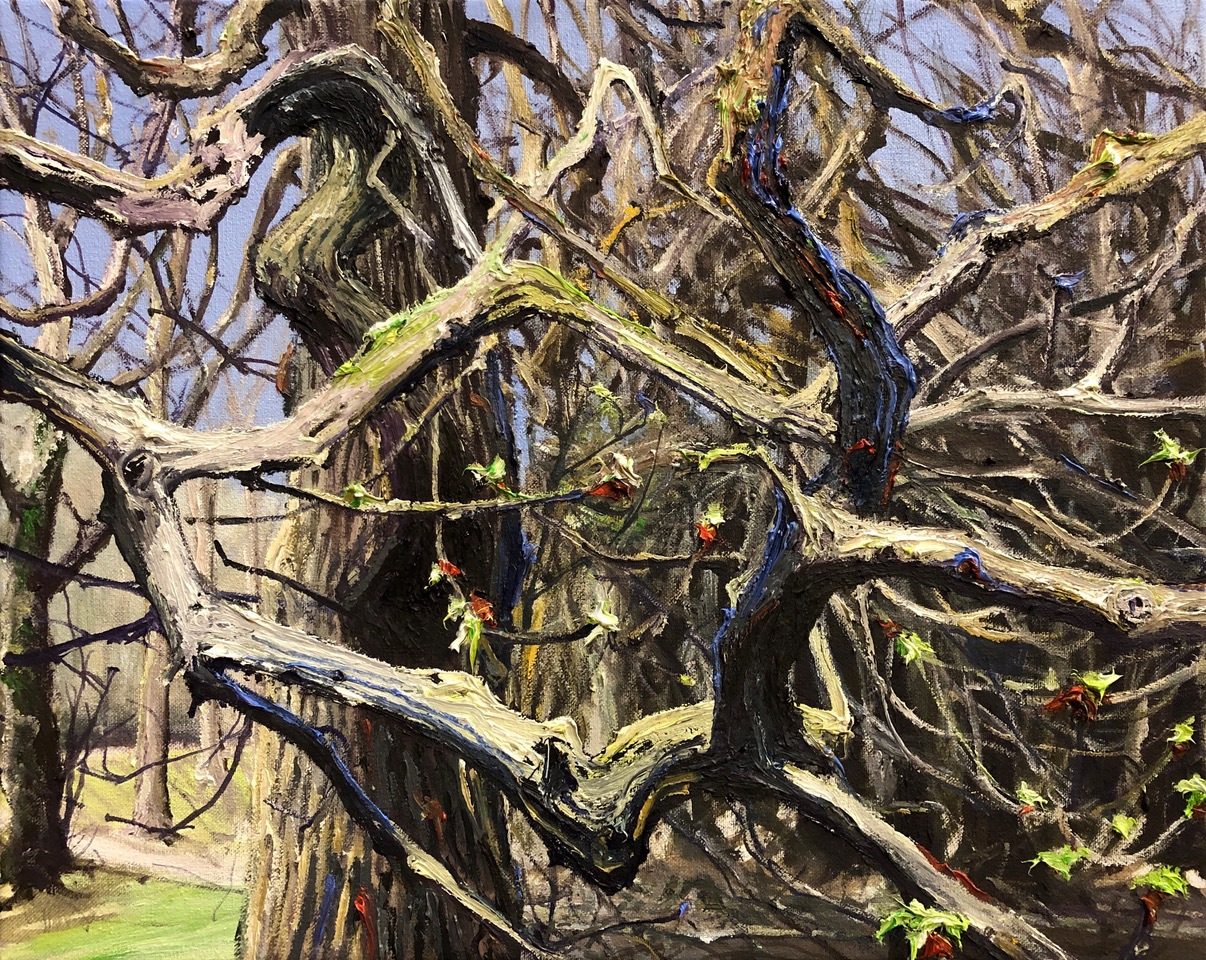
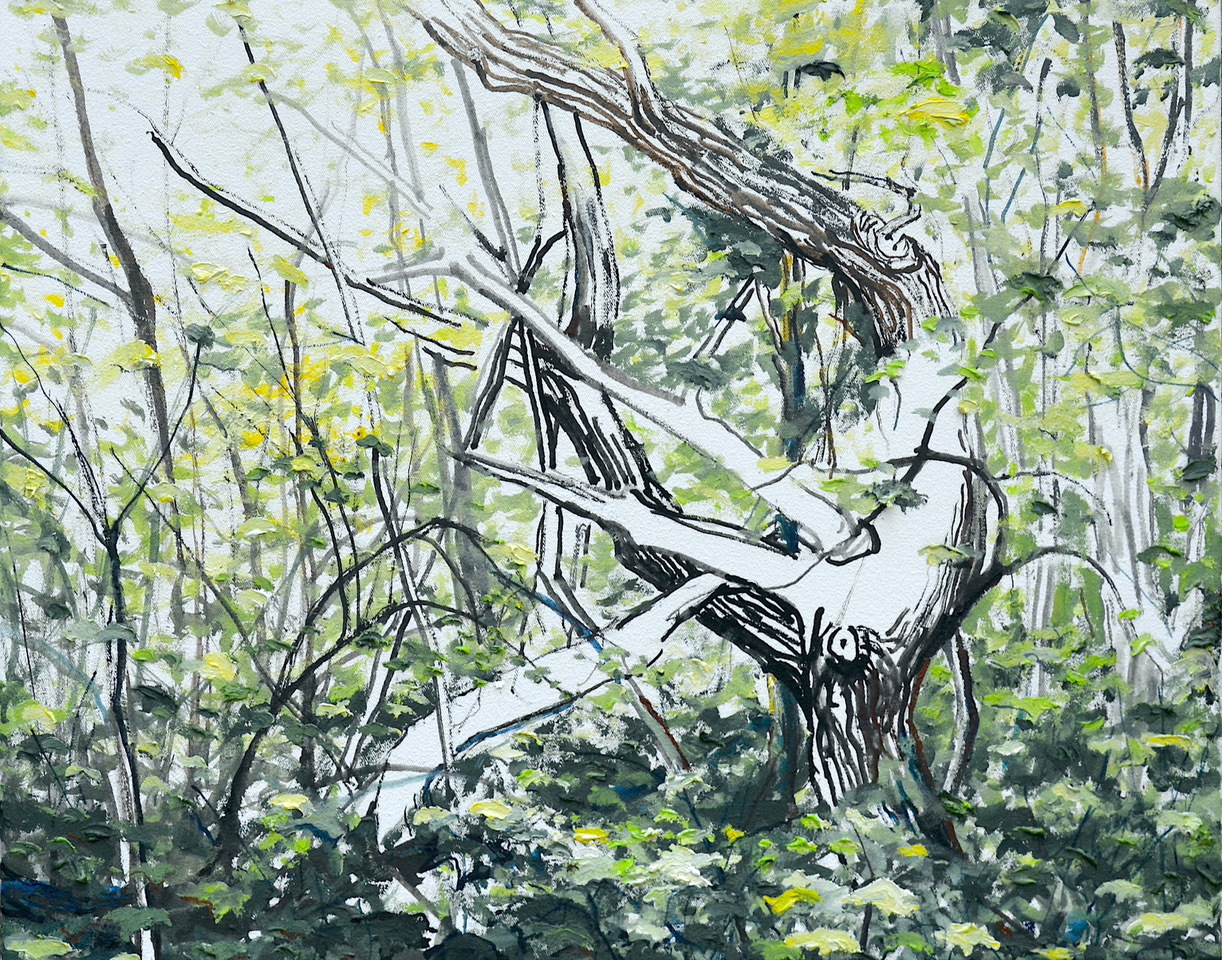
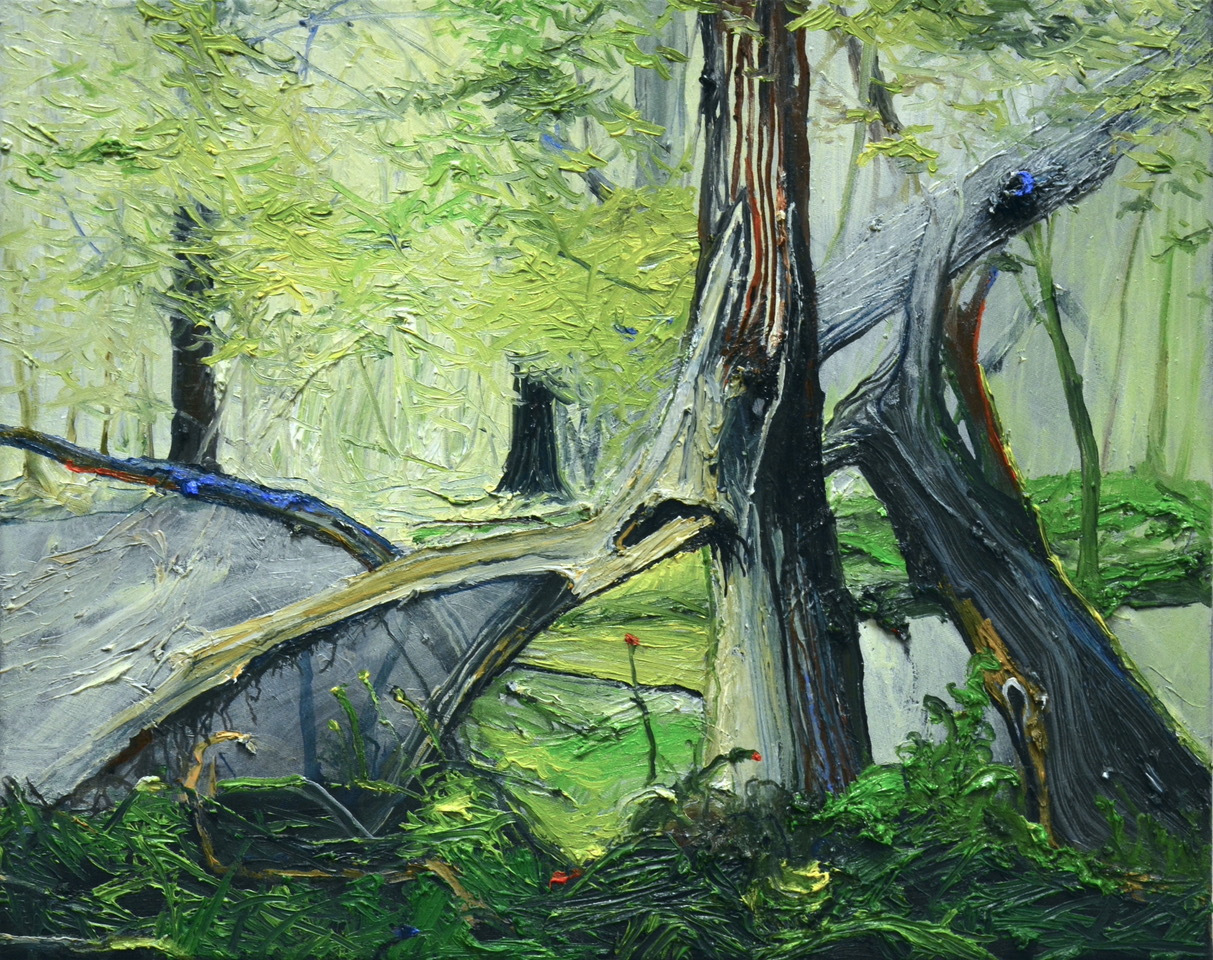
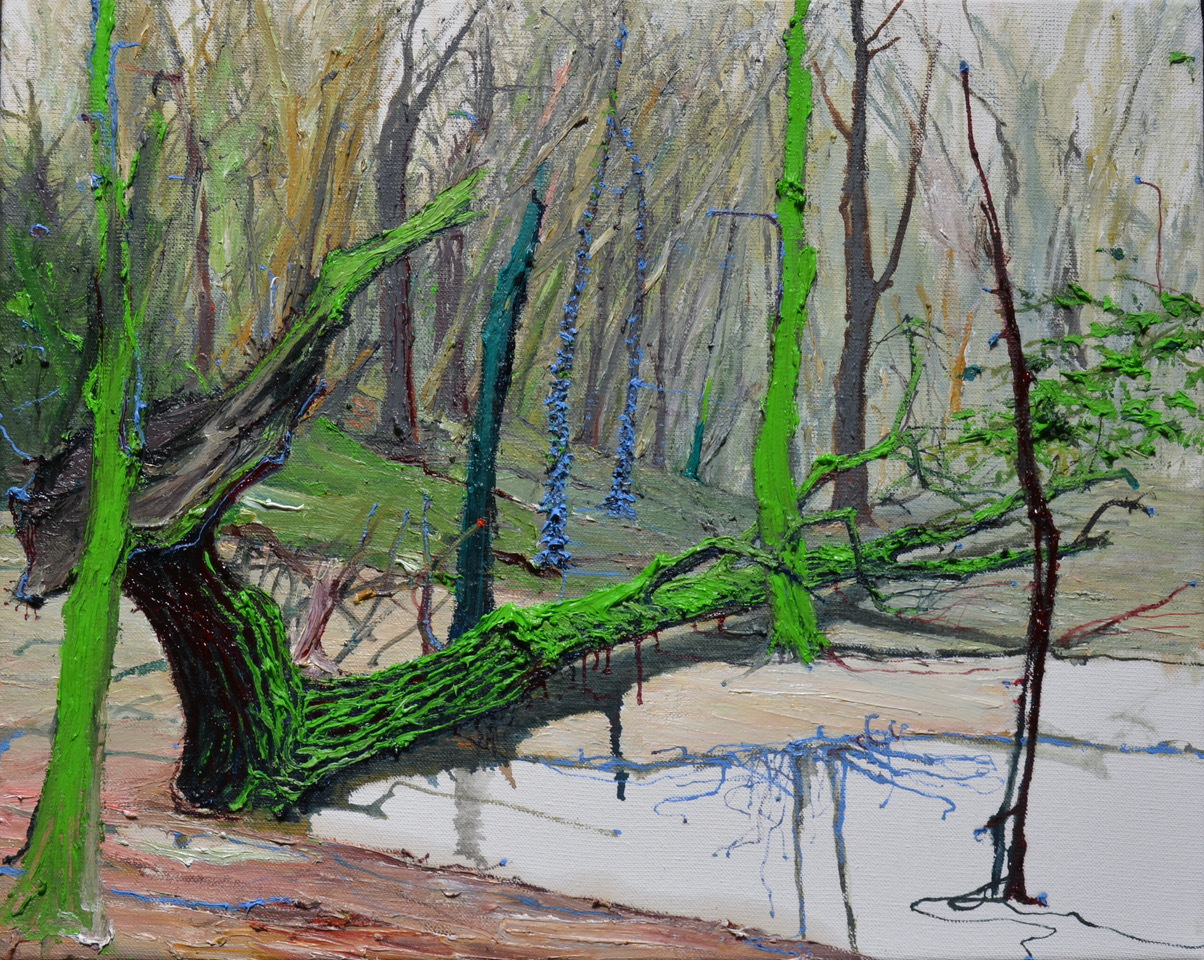
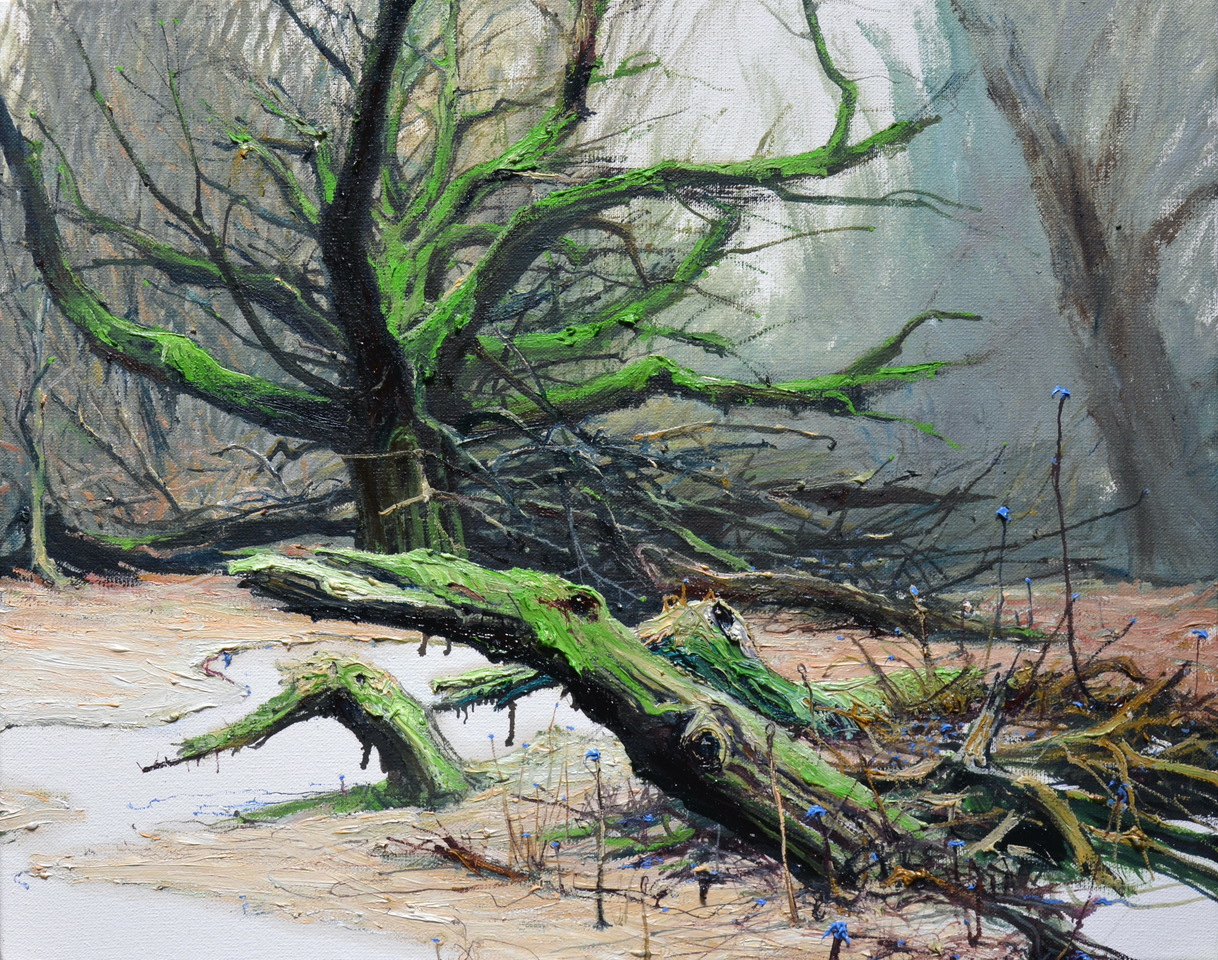
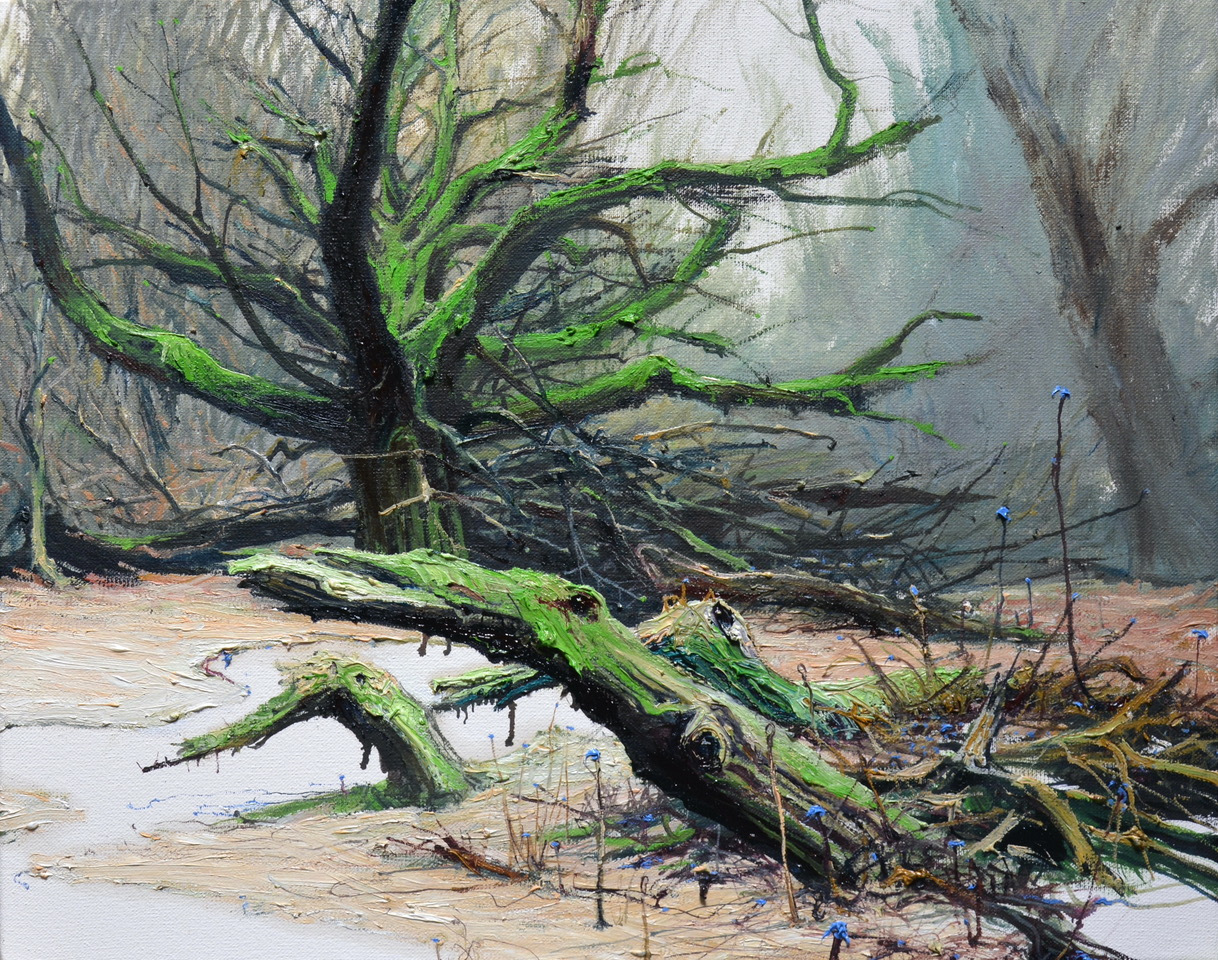
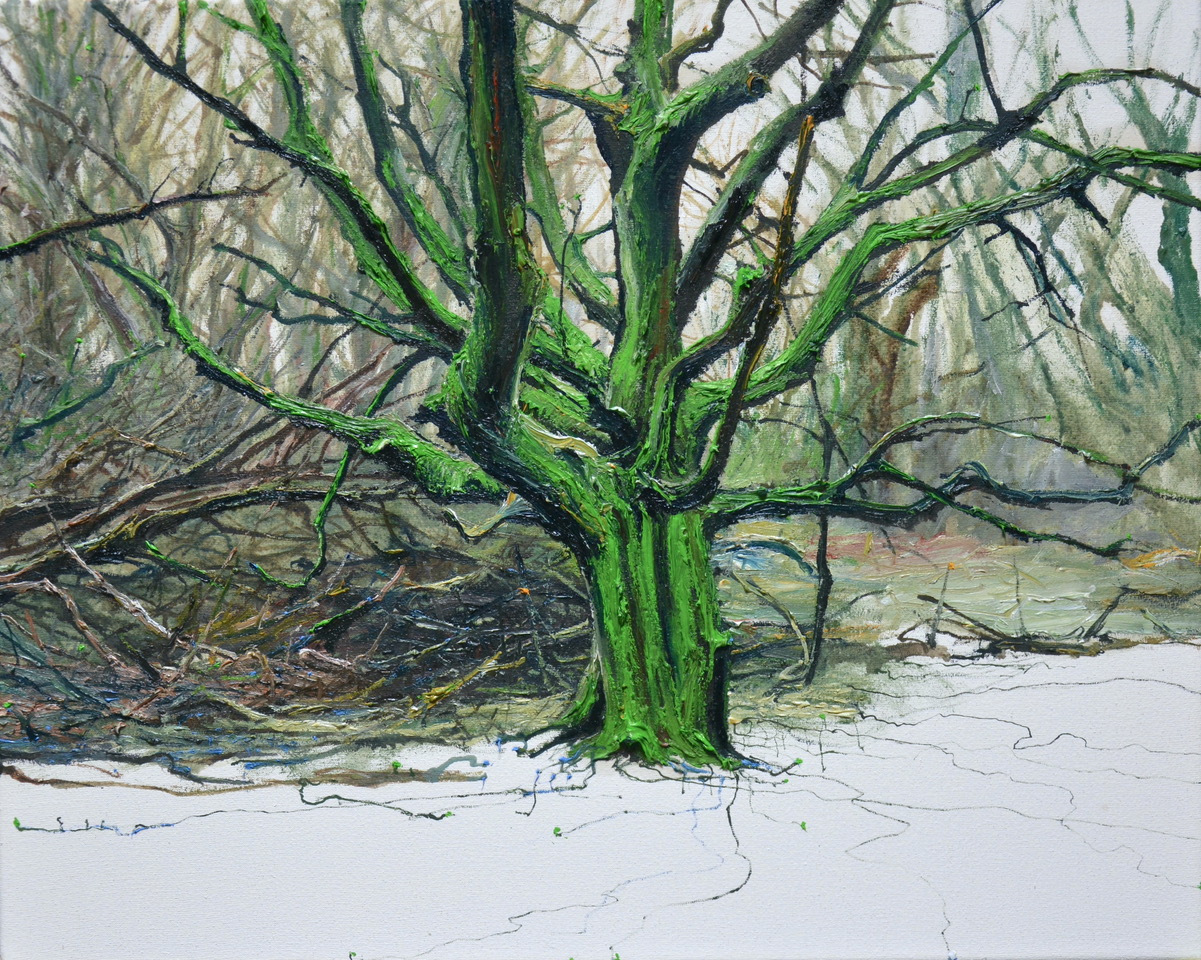
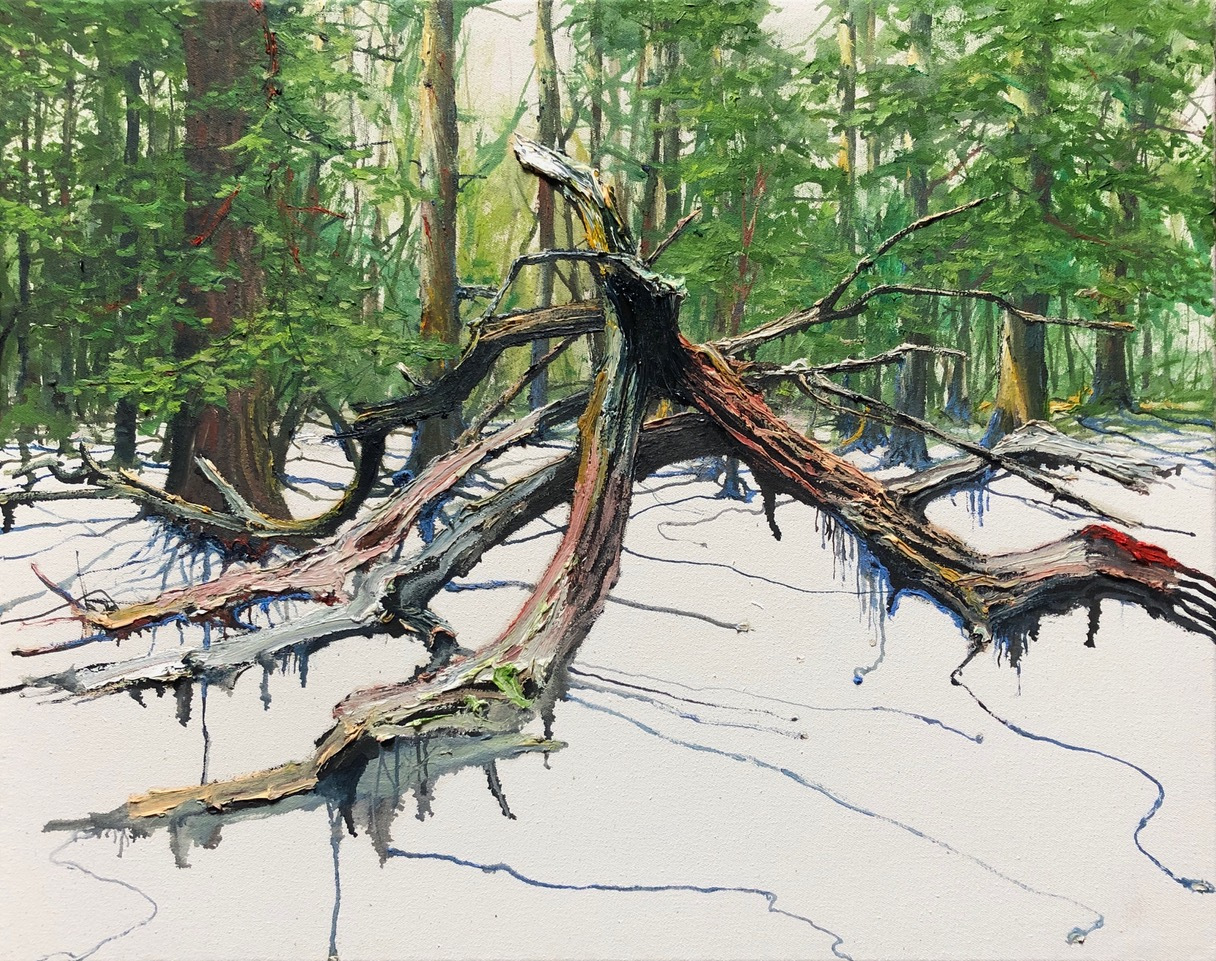
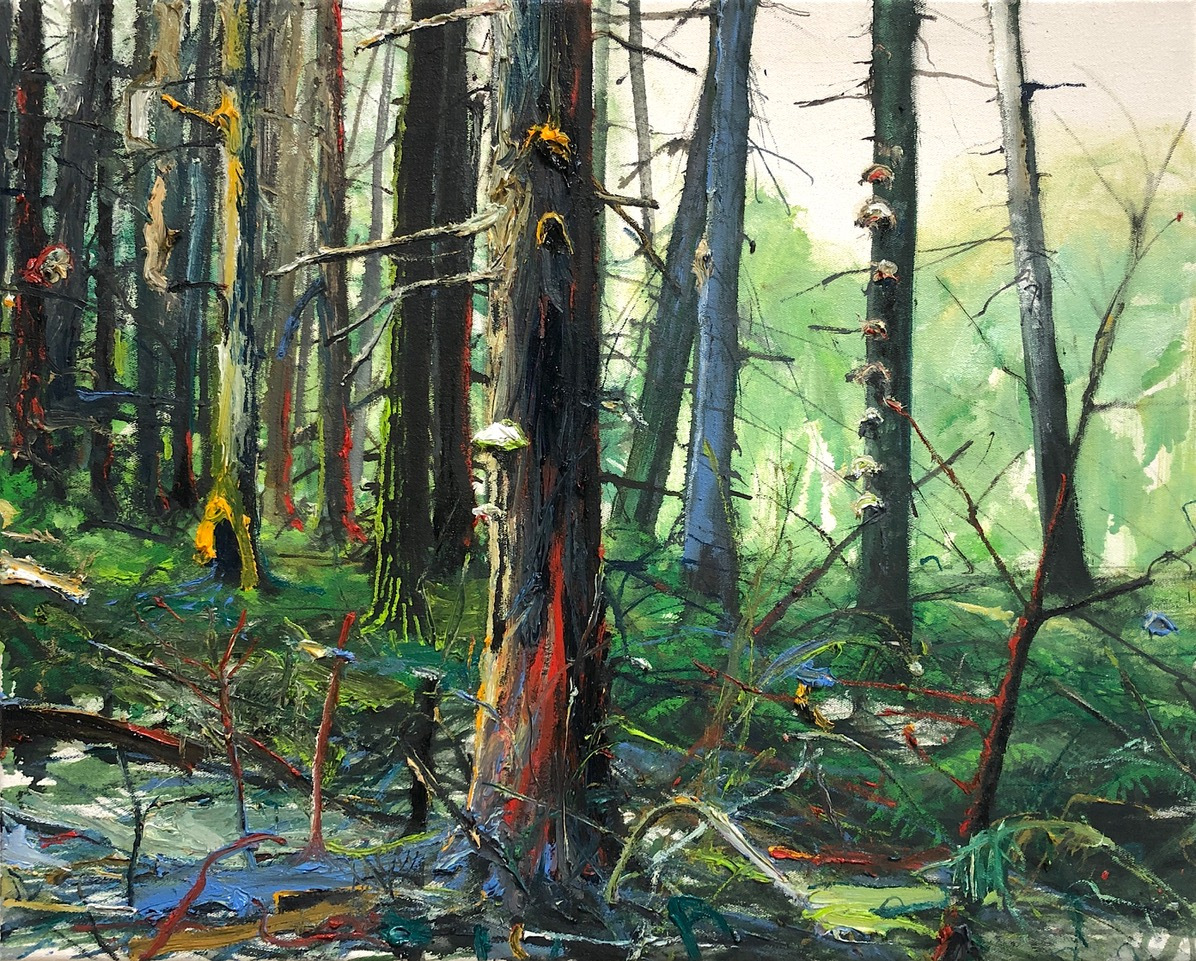
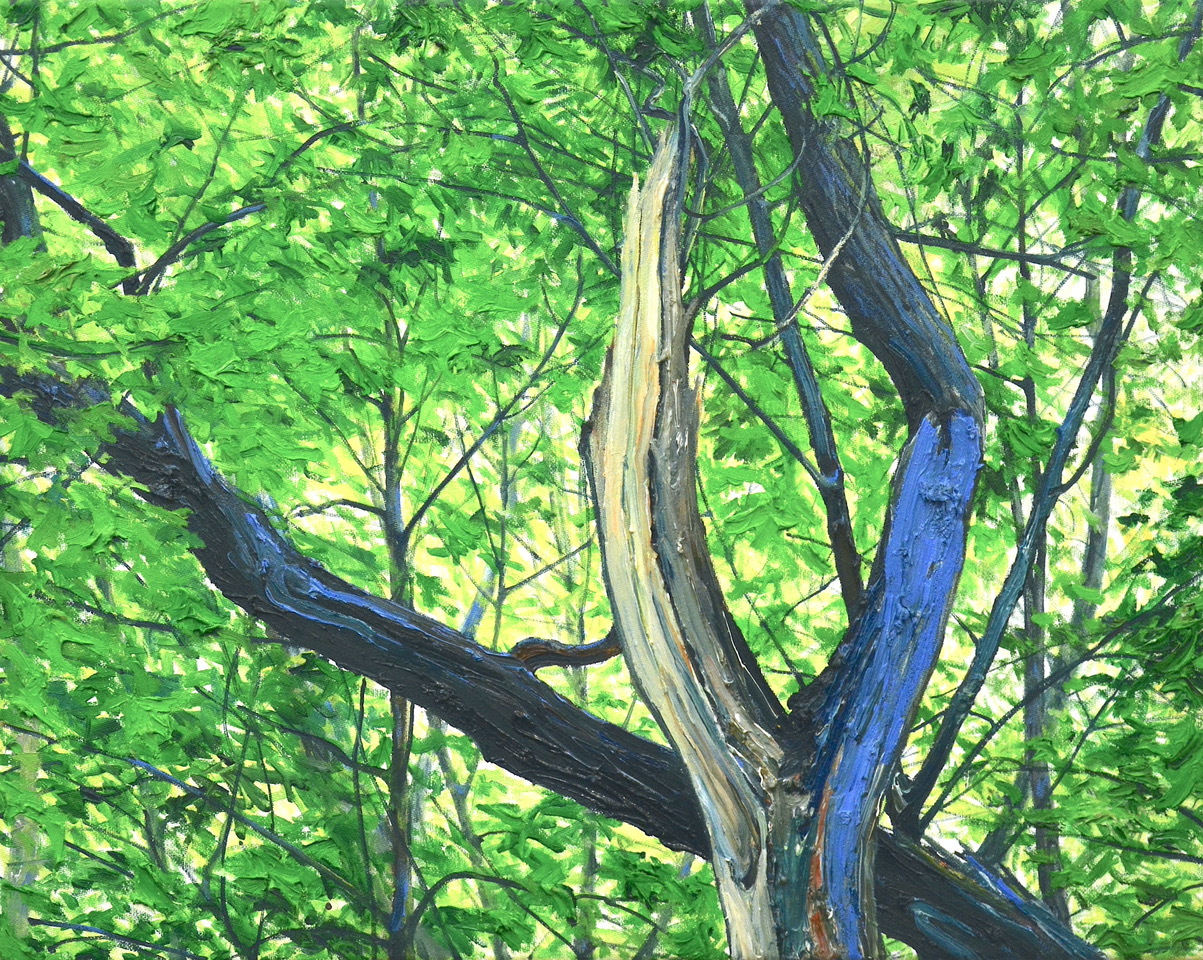
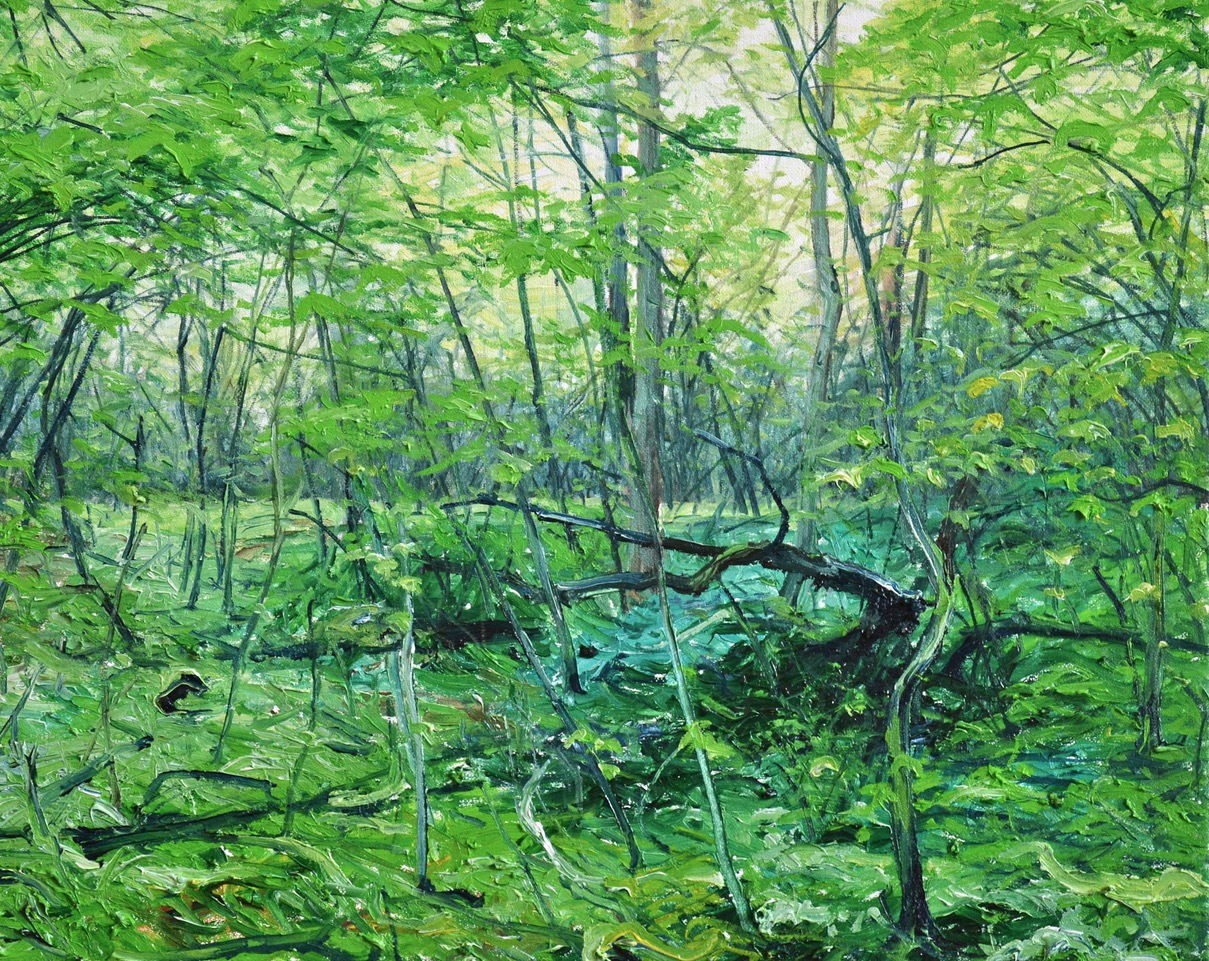
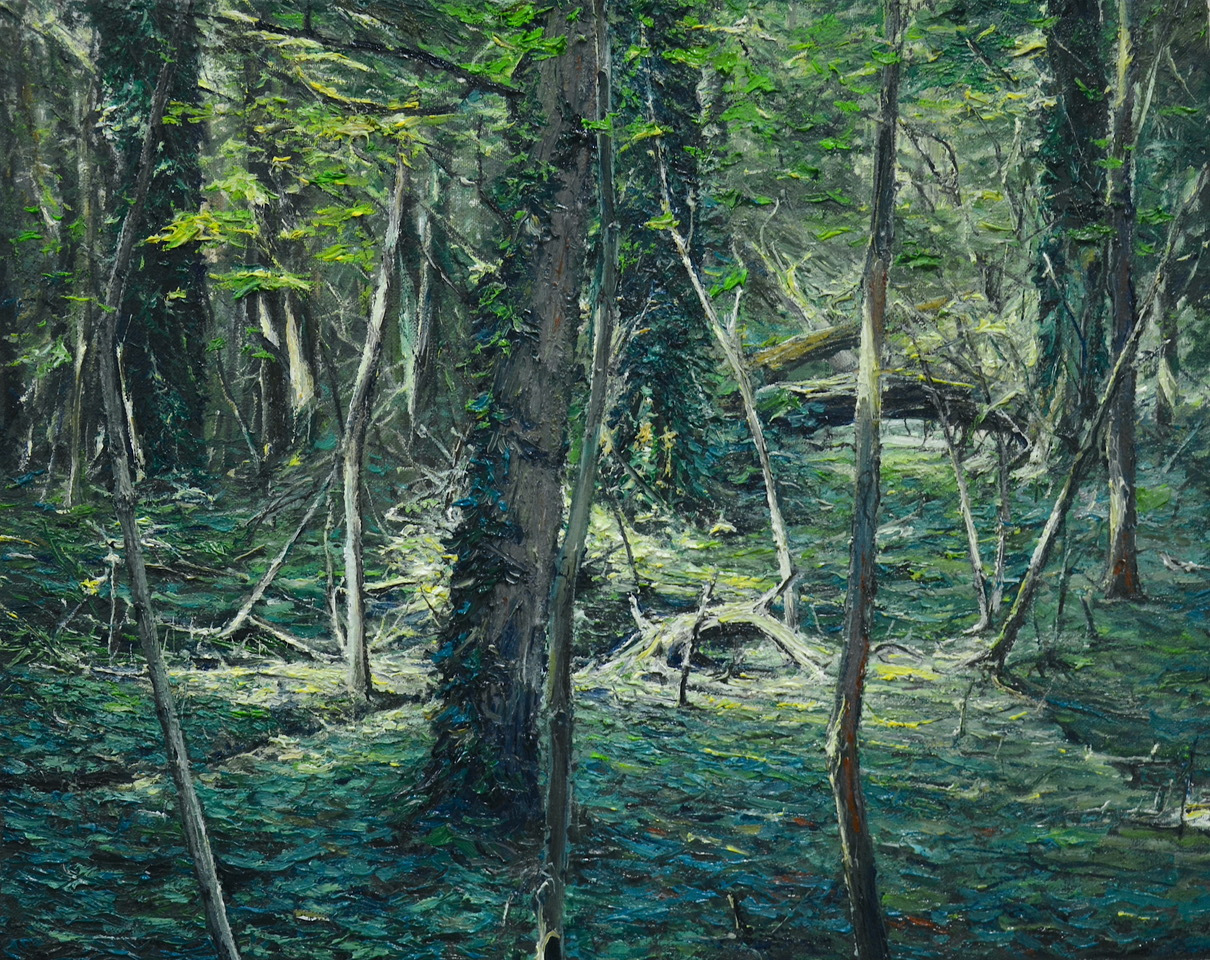
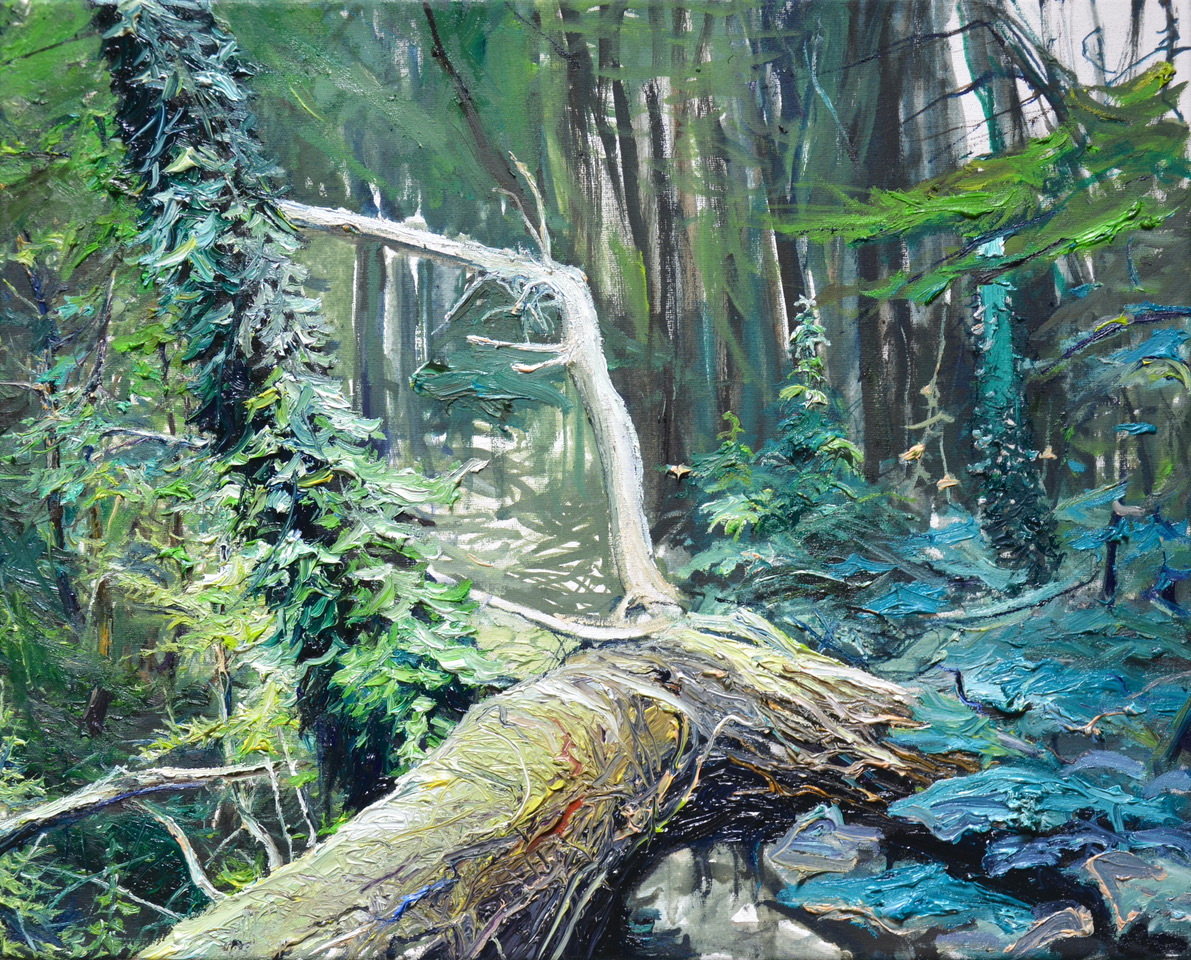
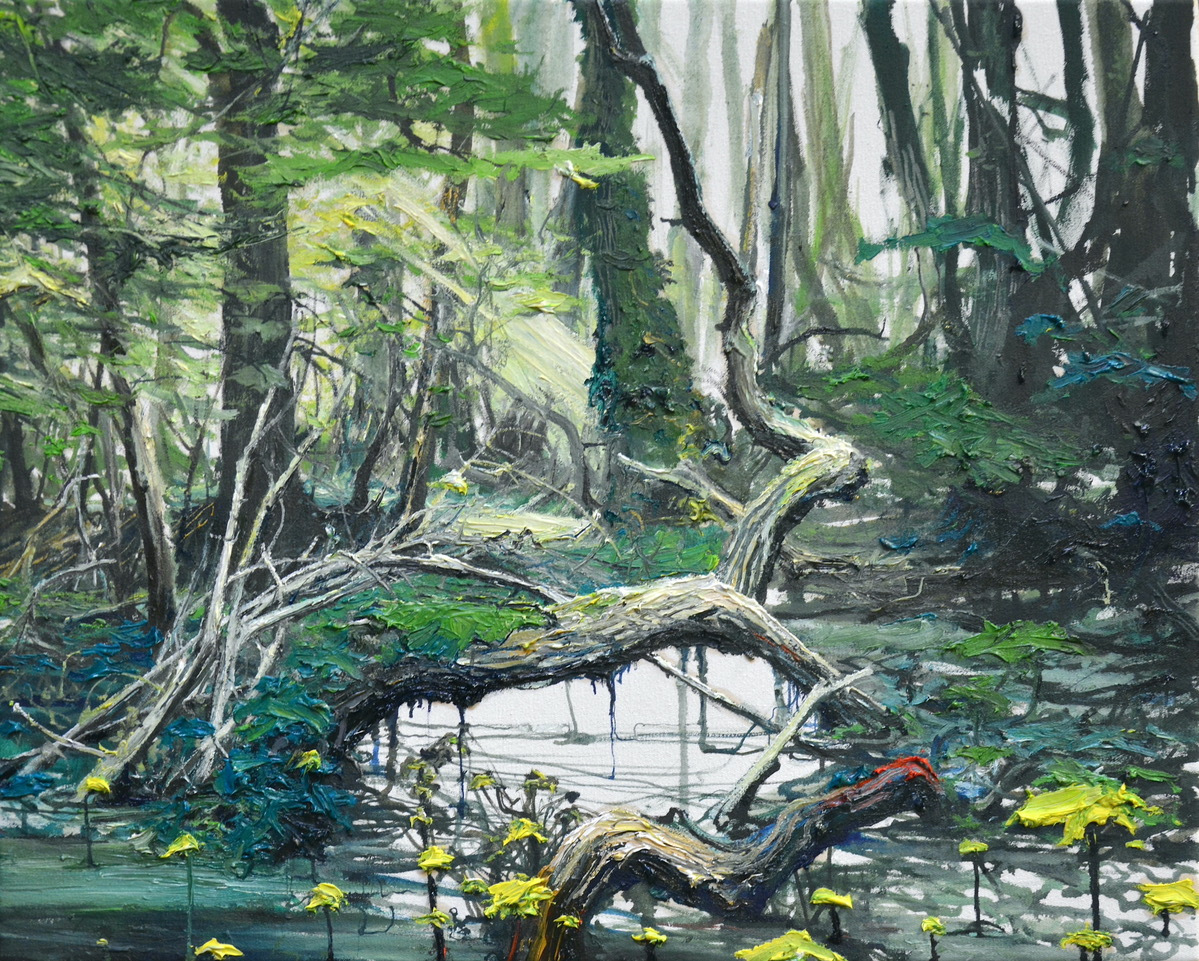
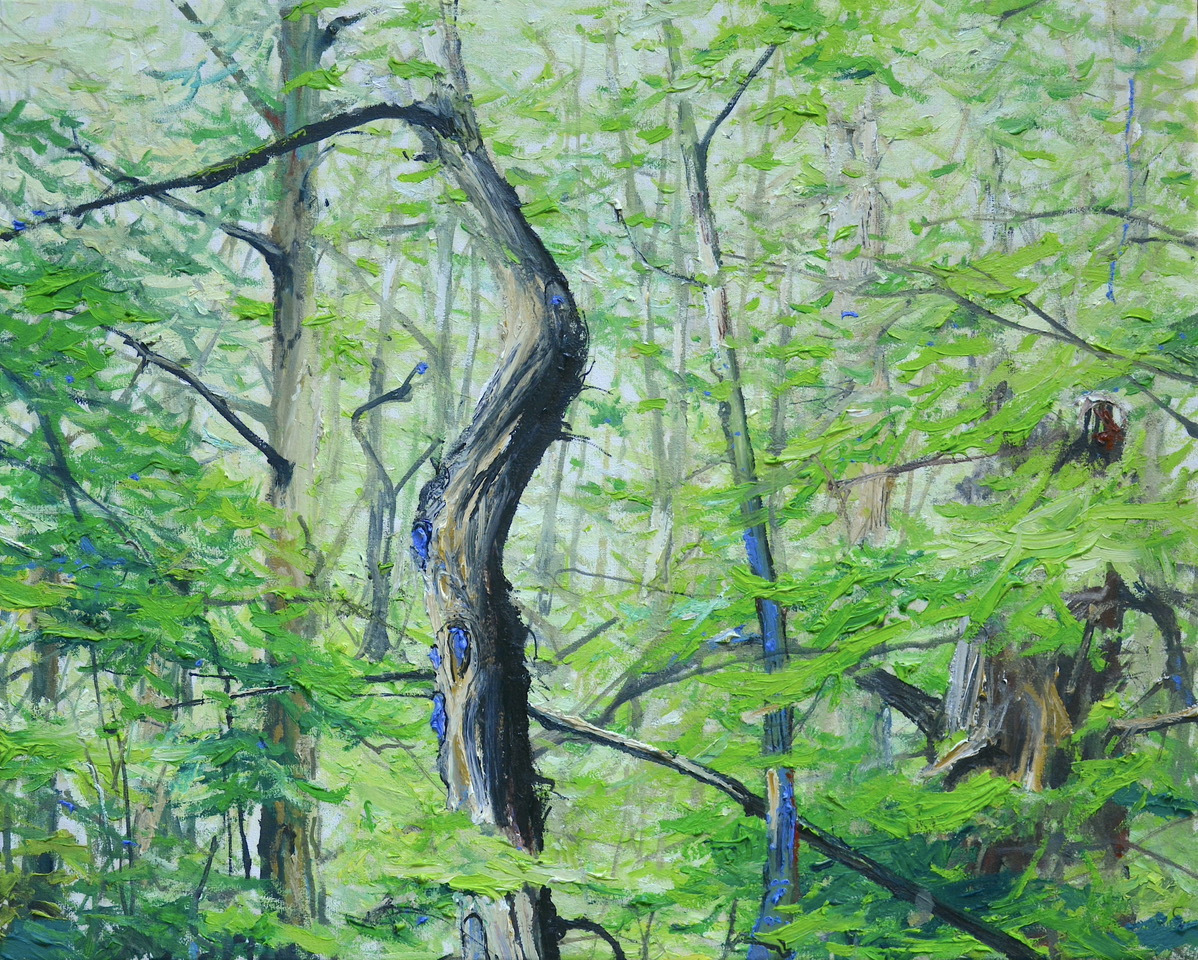
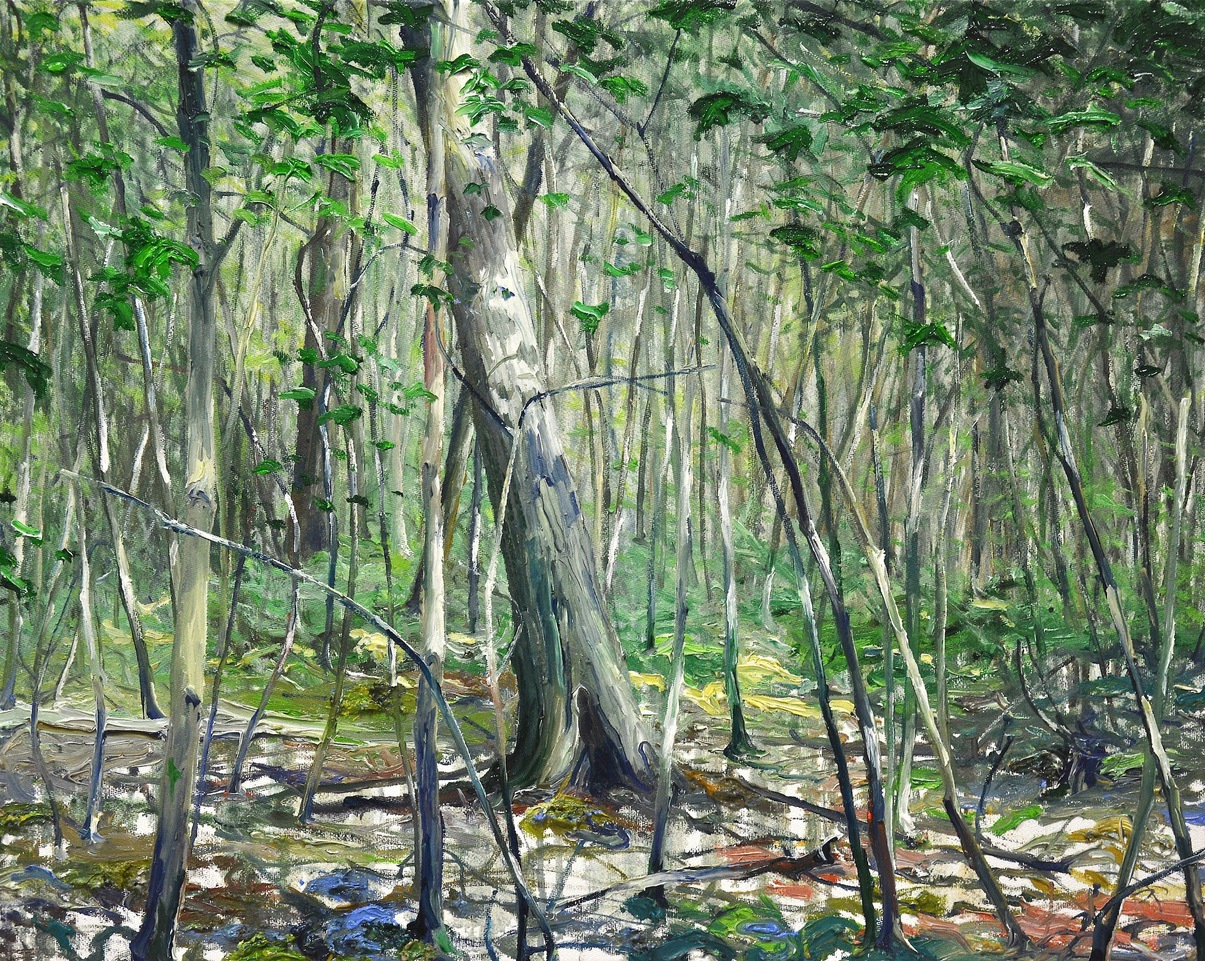
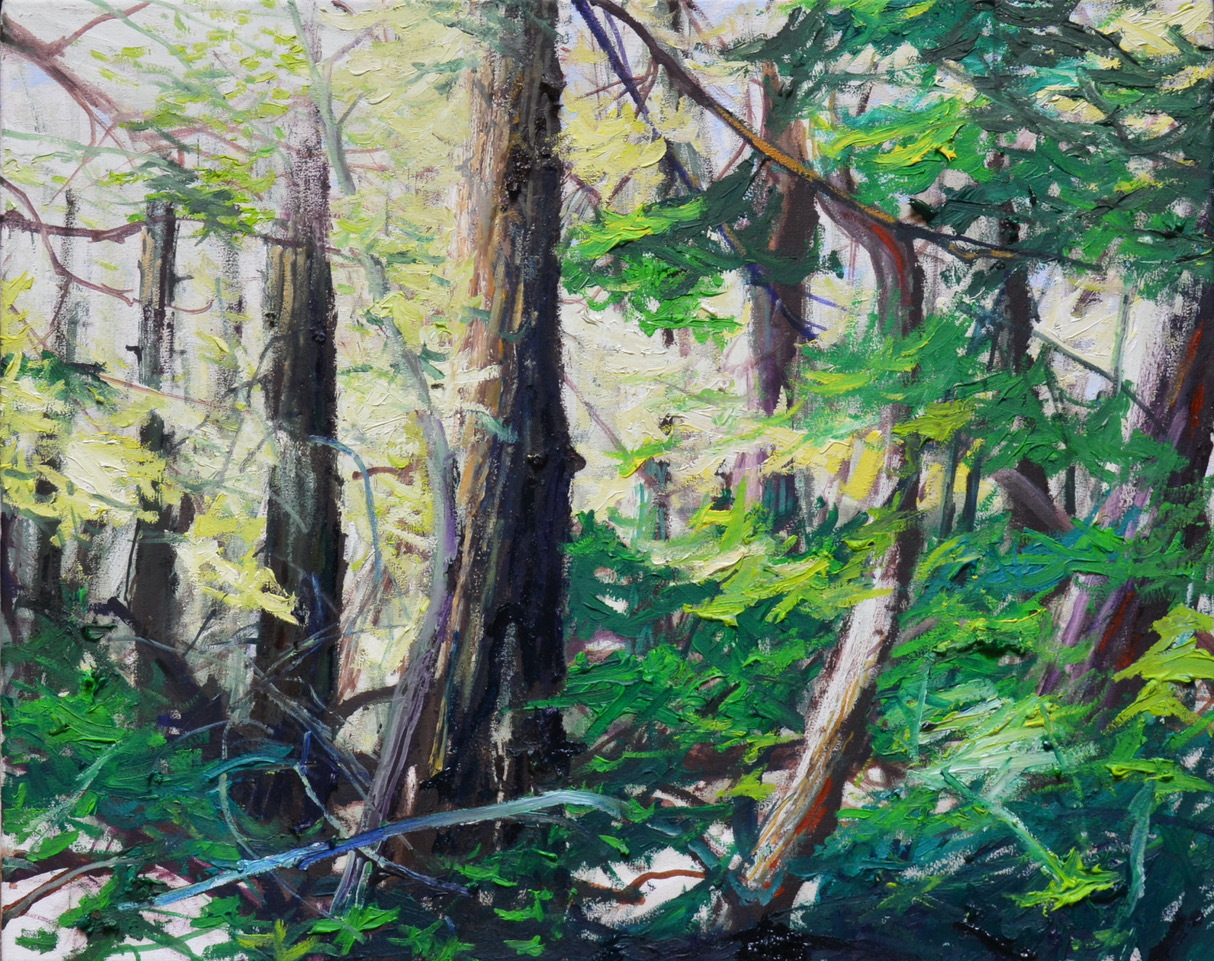
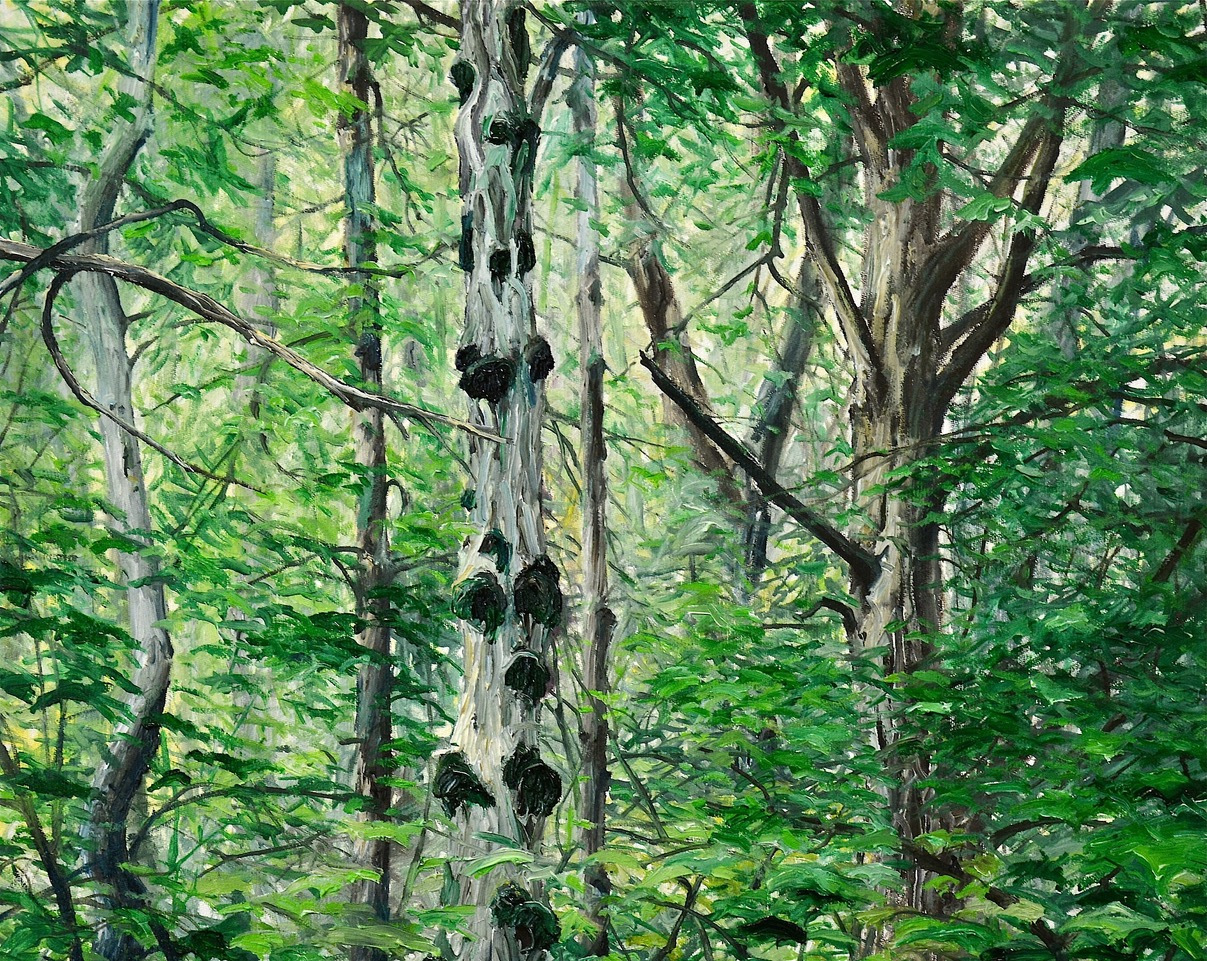
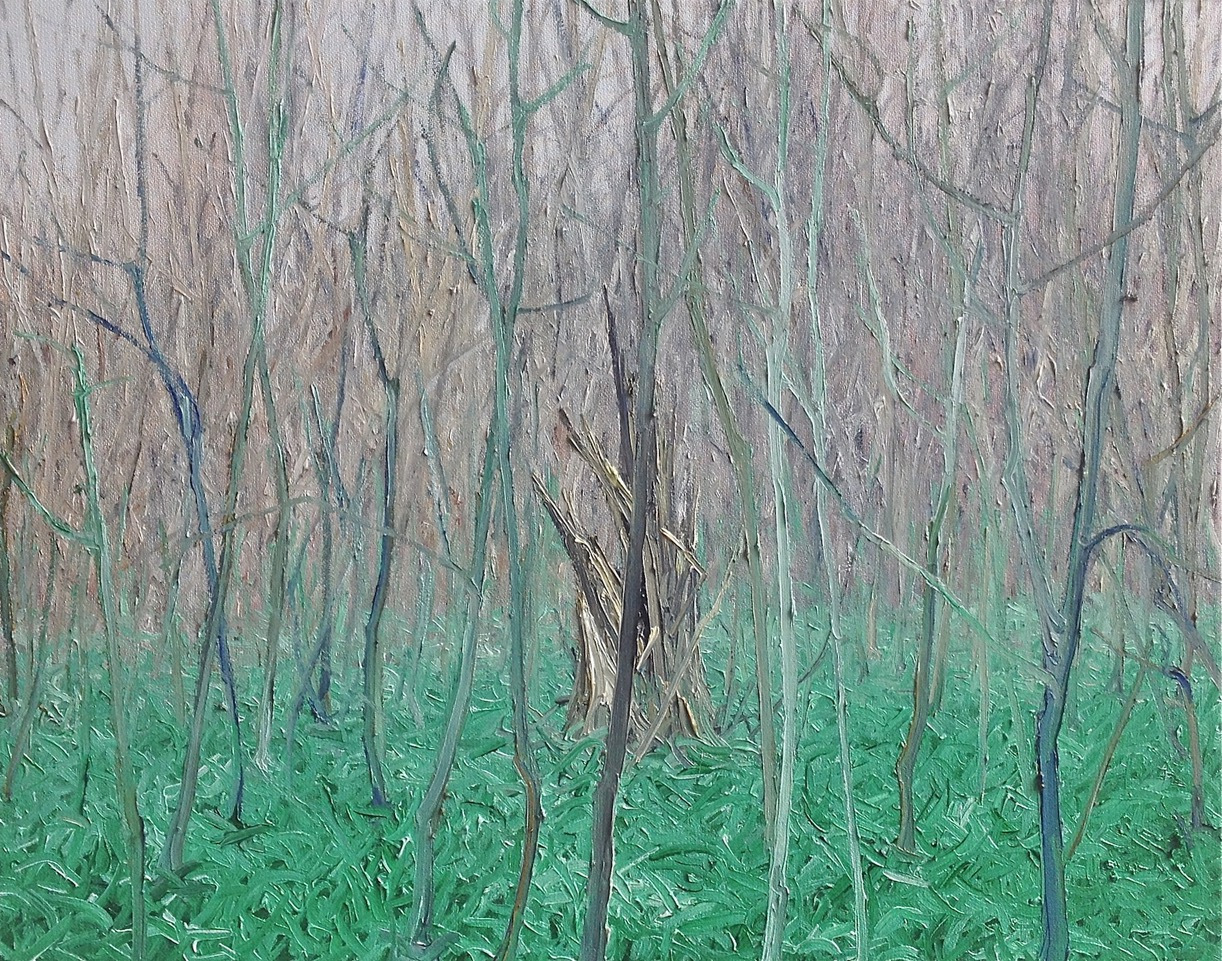
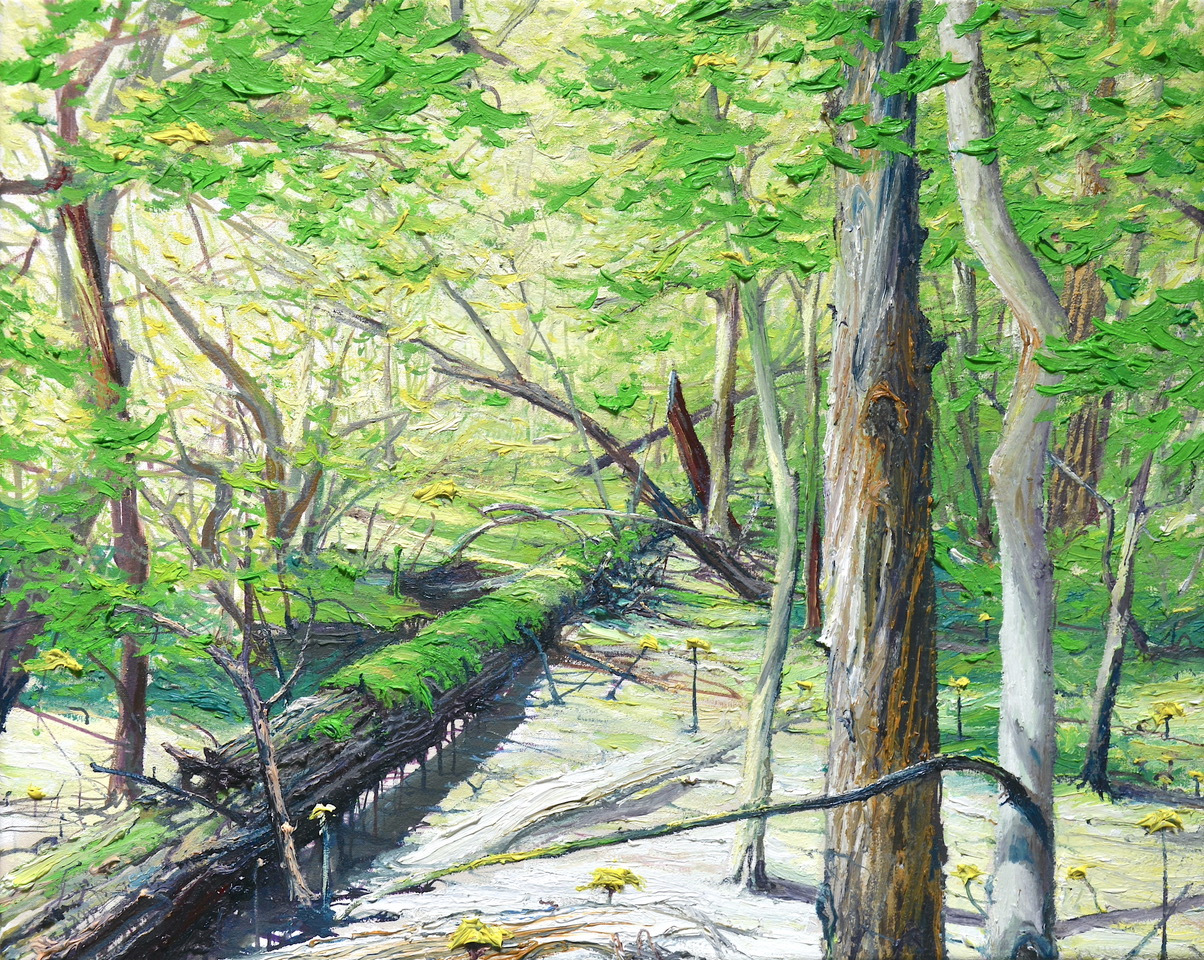
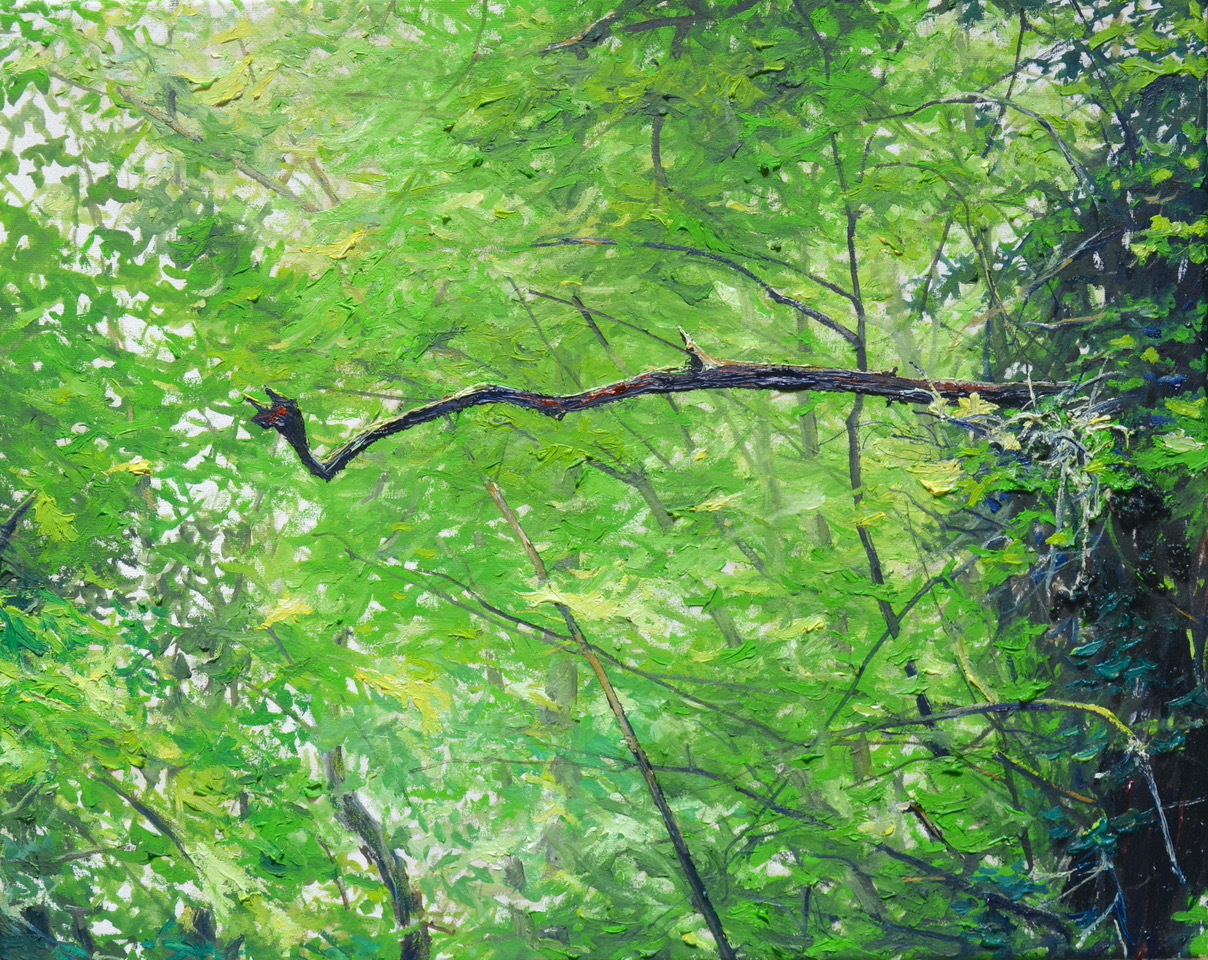
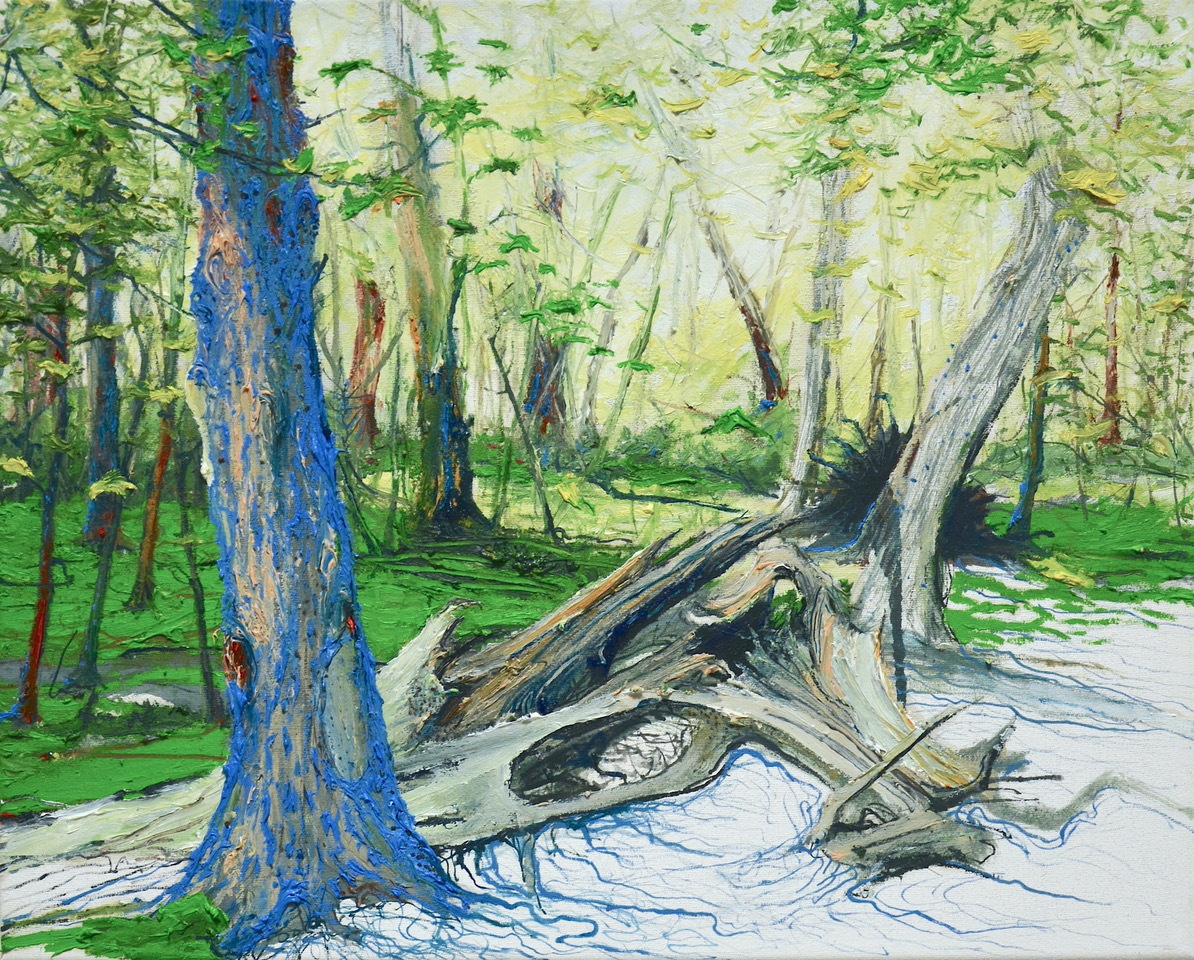
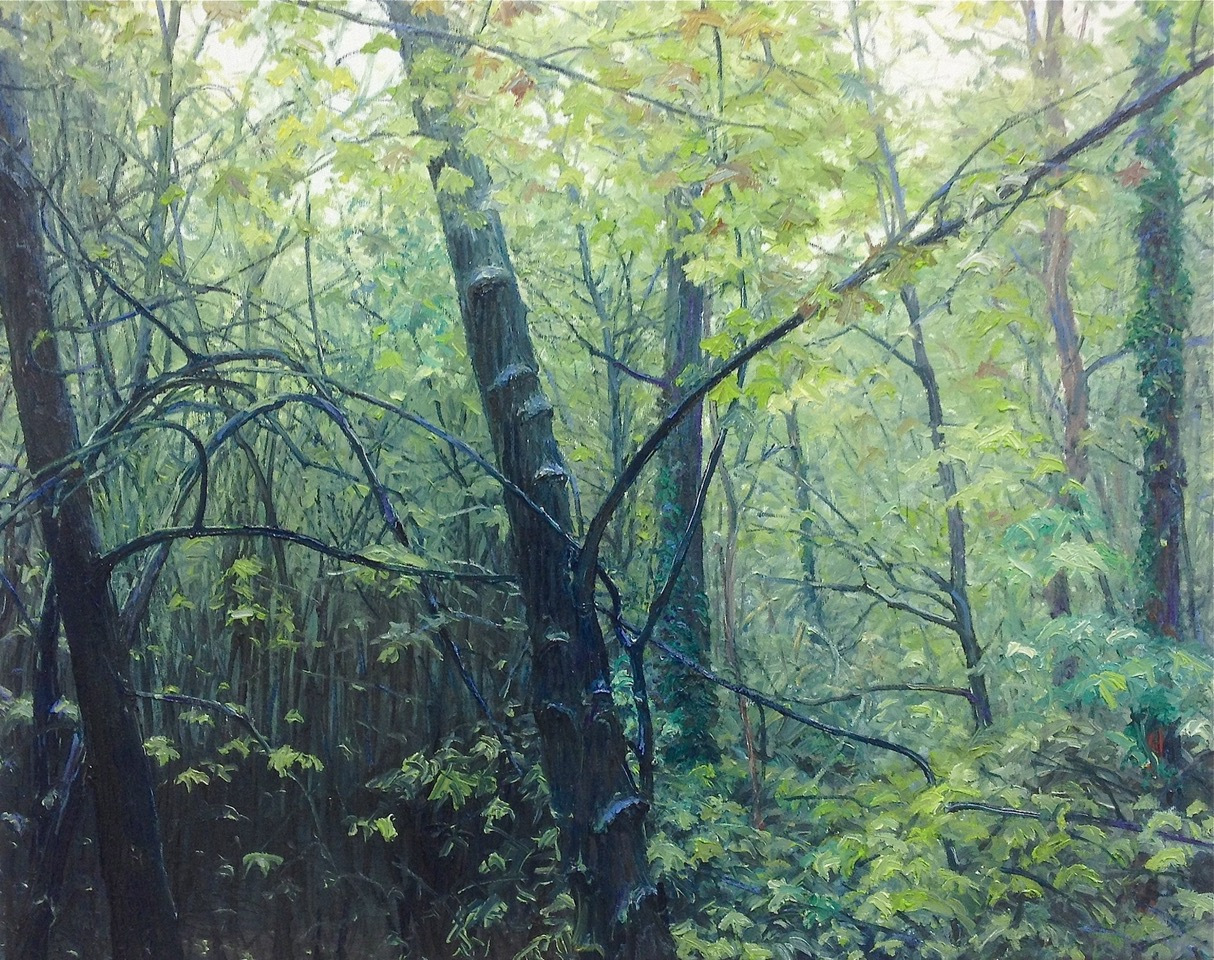
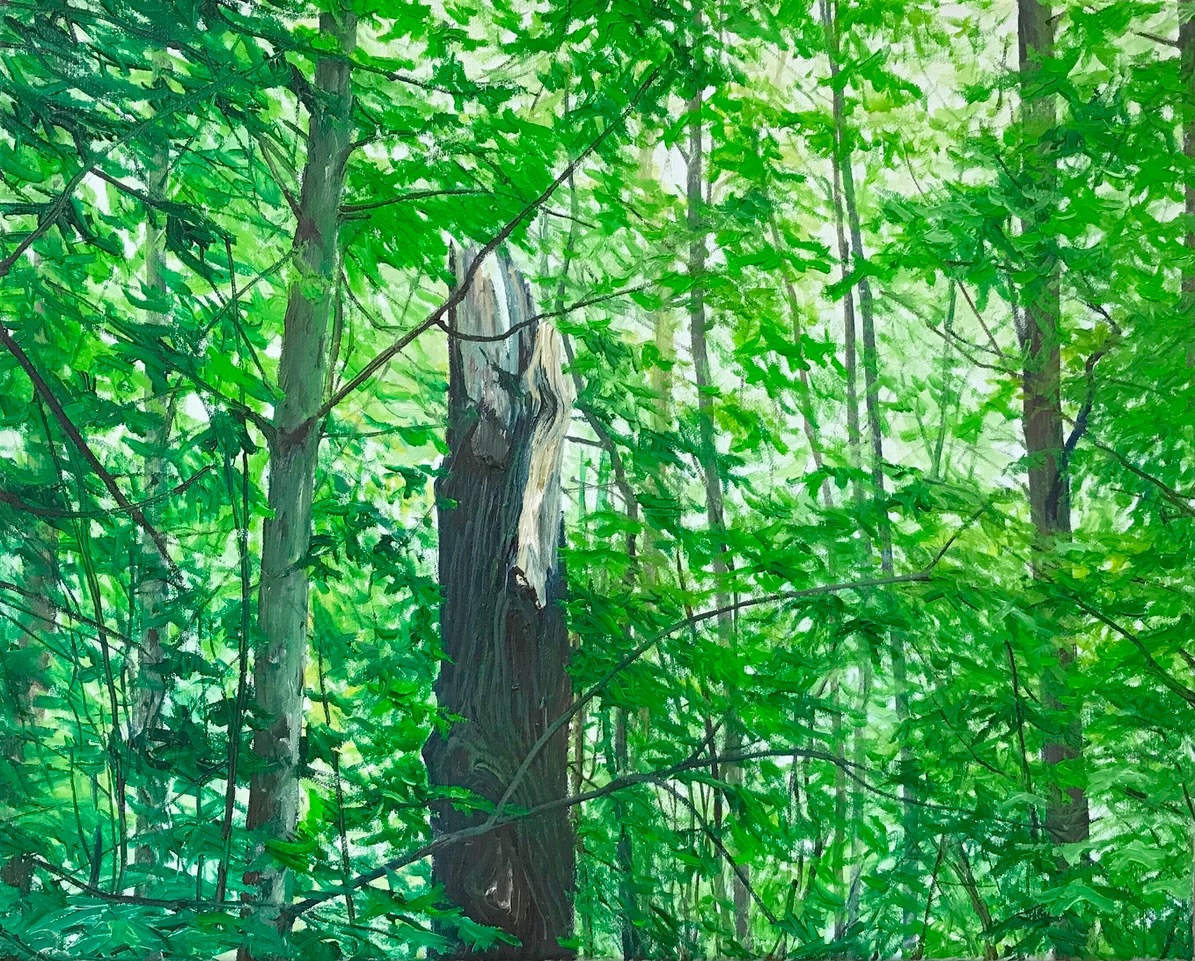
In der 2024 begonnenen Werkgruppe THE NEED OF GREEN, die die Galerie
AIXART ( aixart.de ) in Aachen zu ersten Mal zeigte entstehen immer wieder neue Arbeiten
im gleichen Format …(40 x 50 cm)
Diese Werkgruppe trägt zudem den erweiterten Titel THERE IS NO PLANET B
Einige Arbeiten aus dieser Werkgruppe sind auch Teil des großen, über viel Jahre
angelegten Gemäldekomplexes HAMBI BLEIBT …